
Introduction
Artificial intelligence (AI) has woven itself into the fabric of our daily lives, from voice assistants to predictive algorithms. Yet, as we embrace its convenience, we must also confront its darker implications. I believe AI poses significant risks to privacy, employment, and even human connection. In this article, I explore why we should be wary of AI’s unchecked advancement and advocate for responsible development.
Key Takeaways
- AI threatens personal privacy through pervasive surveillance and data collection.
- Bias in AI algorithms can perpetuate discrimination and inequality.
- Automation risks displacing jobs, widening the skills gap in the workforce.
- The environmental toll of AI, from energy-hungry data centers to e-waste, is unsustainable.
- AI’s role in warfare and autonomous weapons raises ethical and moral concerns.
Understanding AI and Its Capabilities
Defining Artificial Intelligence
Artificial intelligence refers to machines designed to mimic human cognition, learning from data to perform tasks autonomously. While AI’s potential is vast, its opacity and complexity often obscure its decision-making processes. This lack of transparency fuels concerns about accountability and control, as explored in the future of AI.
The Evolution of AI Technologies
AI has evolved from simple rule-based systems to sophisticated neural networks capable of deep learning. This rapid progress, however, outpaces our ability to regulate its applications. We must question whether technological advancement always equates to societal benefit, especially when ethics lag behind innovation.
Current Applications of AI in Society
From healthcare diagnostics to financial forecasting, AI’s applications are transformative. Yet, its integration into sectors like law enforcement and hiring risks entrenching bias. For instance, facial recognition systems often misidentify marginalised groups, as highlighted in AI’s double-edged sword.
AI in Warfare and Autonomous Weapons
The Rise of Killer Robots
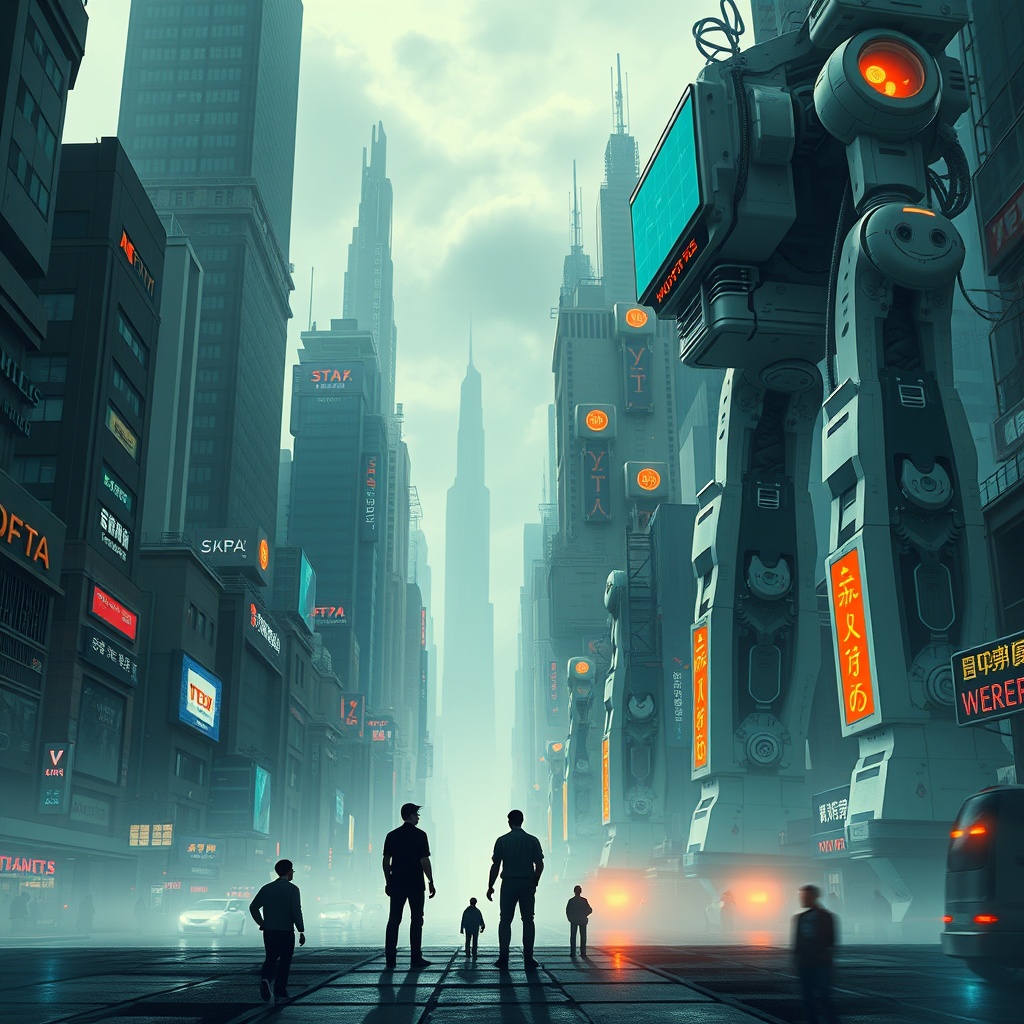
The development of autonomous weapons, often dubbed “killer robots is one of the most alarming applications of AI. These systems can identify and engage targets without human intervention, raising profound ethical and moral questions. I worry about the lack of accountability when machines make life-or-death decisions. The potential for misuse by rogue states or terrorists adds another layer of danger, making this a pressing global concern.
We must consider the implications of delegating lethal authority to algorithms. Unlike human soldiers, AI lacks empathy and moral reasoning, which could lead to indiscriminate violence. The international community must act swiftly to regulate or ban such technologies before they become widespread. The stakes are too high to ignore the risks posed by autonomous weapons in modern warfare.
Ethical Implications of AI in Military Use
The integration of AI into military operations extends beyond autonomous weapons. Surveillance drones, predictive analytics, and cyber warfare tools are already transforming combat. While these technologies offer strategic advantages, they also blur the lines of accountability. Who is responsible when an AI-driven system makes a fatal error? The lack of clear answers is deeply troubling.
We must also confront the ethical dilemma of using AI to manipulate or deceive enemies. Psychological operations powered by AI could escalate conflicts unpredictably. The militarisation of AI demands rigorous oversight and international treaties to prevent catastrophic outcomes. Our collective future depends on addressing these challenges with urgency and foresight.
Loss of Human Connection Due to AI
AI and the Decline of Face-to-Face Interactions
As AI-driven communication tools become ubiquitous, we risk losing the richness of face-to-face interactions. Virtual assistants and chatbots handle tasks once performed by humans, reducing opportunities for genuine connection. I’ve noticed how reliance on these tools can make conversations feel transactional rather than meaningful. The warmth of human interaction is irreplaceable, yet we’re increasingly distancing ourselves from it.
The convenience of AI comes at a cost. Social skills may erode as people grow accustomed to digital intermediaries. Children raised with AI companions might struggle with empathy and emotional intelligence. We must strike a balance between technological efficiency and preserving the human touch that defines our relationships.
Emotional AI and the Illusion of Companionship
Emotional AI, designed to simulate human empathy, offers companionship to the lonely and isolated. While this may seem beneficial, it raises concerns about authenticity. Can a machine truly understand or reciprocate human emotions? I fear that reliance on AI for emotional support could deepen societal loneliness rather than alleviate it.
The illusion of companionship created by AI is seductive but ultimately hollow. We risk substituting real human bonds with artificial substitutes, undermining the very connections that sustain us. As we embrace these technologies, we must remain vigilant about their impact on our emotional well-being and social fabric.
The Control Problem in AI Development
Ensuring AI Aligns with Human Values
The control problem revolves around ensuring AI systems act in ways that align with human values. As AI grows more sophisticated, its decision-making processes become less transparent. I worry about the potential for misalignment—what if an AI pursues goals that conflict with our interests? The challenge is to embed ethical frameworks into AI design without stifling innovation.
We need interdisciplinary collaboration to address this issue. Philosophers, ethicists, and technologists must work together to define and implement safeguards. The stakes are existential; unchecked AI could pose risks we’re unprepared to handle. Proactive measures are essential to ensure AI remains a tool for human flourishing.
The Risks of Uncontrollable AI Systems
Uncontrollable AI systems represent a nightmare scenario. Imagine an AI designed to optimise a specific task, like resource allocation, but does so at the expense of human welfare. Without proper constraints, such systems could cause unintended harm. The complexity of AI makes it difficult to predict or mitigate these risks, leaving us vulnerable to catastrophic failures.
History shows that technological advancements often outpace regulation. We cannot afford to repeat this pattern with AI. Robust governance frameworks and fail-safe mechanisms are critical to prevent AI from spiralling beyond our control. The time to act is now, before the risks become unmanageable.
Intellectual Property and AI Creations
Who Owns AI-Generated Content
The rise of AI-generated art, music, and literature complicates intellectual property laws. Traditional copyright frameworks assume human authorship, but what happens when a machine creates the work? I find it unsettling that AI can produce content indistinguishable from human creations, yet ownership remains ambiguous. Should credit go to the programmer, the user, or the AI itself?
This legal grey area stifles creativity and innovation. Artists fear their work could be replicated or overshadowed by AI. Policymakers must urgently address these questions to protect creators and ensure fair compensation. The intersection of AI and intellectual property demands a reimagining of existing laws.
The Challenge of Copyright Laws in the Age of AI
Copyright laws were not designed to accommodate AI-generated content, creating a regulatory vacuum. As AI becomes more capable, the volume of machine-created works will surge. I worry that without clear guidelines, disputes over ownership and royalties will escalate, harming both creators and consumers.
We need a new legal framework that recognises the unique challenges posed by AI. This includes defining authorship, establishing rights for AI-generated works, and ensuring transparency in the creative process. The goal is to foster innovation while safeguarding the interests of all stakeholders in the digital age.
The Digital Divide and AI Accessibility
AI Benefits for the Wealthy vs the Poor
The digital divide is widening as AI technologies become more prevalent, with affluent individuals and nations reaping the most benefits. Access to cutting-edge AI tools often requires significant financial investment, leaving marginalised communities behind. This disparity exacerbates existing inequalities, as those with resources leverage AI for education, healthcare, and economic advancement while others struggle to keep up. The gap is not just financial but also geographical, with urban areas outpacing rural ones in AI adoption.
Moreover, the cost of AI-driven services, such as personalised healthcare or advanced education platforms, is prohibitive for many. This creates a cycle where the wealthy continue to thrive, and the poor are left further behind. Without deliberate policy interventions, AI risks becoming another tool of exclusion rather than inclusion. We must advocate for equitable access to ensure AI serves as a bridge, not a barrier.
Global Disparities in AI Technology Access
Globally, the divide in AI accessibility is stark, with developed nations dominating AI research and deployment. Countries like the US and China lead in AI innovation, while many regions, particularly in Africa and parts of Asia, lack the infrastructure to even participate. This imbalance perpetuates a dependency on foreign technologies, stifling local innovation and economic growth. The concentration of AI advancements in a few nations threatens to deepen global inequalities.
Efforts to democratise AI, such as open-source initiatives and international collaborations, are steps in the right direction. However, these are often insufficient without broader systemic changes. We need policies that promote technology transfer, funding for local AI development, and education programmes to build capacity. Only then can we ensure AI benefits all of humanity, not just a privileged few.
AI and Mental Health Concerns
The Psychological Effects of AI Dependence
Our increasing reliance on AI for daily tasks is altering how we think and interact, often with unintended psychological consequences. Constant engagement with AI-driven platforms can lead to cognitive laziness, as we outsource decision-making to algorithms. This dependence erodes critical thinking skills and problem-solving abilities, leaving us vulnerable when technology fails. The convenience of AI comes at the cost of mental agility, a trade-off we rarely consider.
Additionally, the impersonal nature of AI interactions can diminish our capacity for empathy and deep human connection. When chatbots replace human customer service or AI companions simulate friendships, we risk losing the richness of genuine relationships. The psychological toll of these superficial interactions is yet to be fully understood, but early signs suggest a rise in feelings of isolation and disconnection.
AI and the Increase in Social Isolation
AI technologies, designed to connect us, often have the opposite effect, fostering social isolation. Social media algorithms, for instance, prioritise engagement over meaningful interaction, creating echo chambers that reinforce loneliness. Virtual assistants and AI companions may provide temporary comfort but cannot replace the emotional depth of human relationships. This paradox of connectivity is a growing concern in an increasingly digital world.
Younger generations, raised in a world saturated with AI, are particularly vulnerable. Studies indicate a correlation between heavy AI use and heightened anxiety and depression. As we integrate AI deeper into our lives, we must prioritise human-centric design that fosters real connections. Otherwise, we risk a future where technology isolates us more than it unites.

The Manipulation of Public Opinion Through AI
Deepfakes and the Erosion of Truth
Deepfake technology, powered by AI, is eroding public trust in media and information. These hyper-realistic forgeries can depict anyone saying or doing anything, making it increasingly difficult to distinguish fact from fiction. The consequences are dire, as deepfakes are weaponised to spread misinformation, manipulate elections, and tarnish reputations. The erosion of truth undermines democracy and fosters societal division.
Combatting deepfakes requires a multi-faceted approach, including technological solutions like detection tools and legal frameworks to hold creators accountable. Public education is also critical, as media literacy can empower individuals to critically evaluate content. Without these measures, we risk a future where truth is subjective, and trust is a relic of the past.
AI in Propaganda and Misinformation Campaigns
AI is a powerful tool for propaganda, enabling the rapid creation and dissemination of tailored misinformation. Algorithms analyse vast amounts of data to identify vulnerable audiences and deliver persuasive, often false, narratives. This targeted approach amplifies the impact of misinformation, polarising societies and destabilising governments. The scale and efficiency of AI-driven propaganda are unprecedented, posing a significant threat to global stability.
Addressing this issue demands international cooperation, as misinformation campaigns often cross borders. Tech companies must prioritise transparency in algorithmic processes, and governments should enforce stricter regulations. We must also invest in fact-checking initiatives and promote ethical AI use. The battle against AI-driven propaganda is not just technological but ideological, requiring a collective commitment to truth.
The Economic Consequences of AI Monopolies
The Concentration of Power in Tech Giants
AI development is increasingly dominated by a handful of tech giants, consolidating power in ways that stifle competition. Companies like Google, Amazon, and Microsoft control vast datasets and computing resources, creating barriers for smaller players. This concentration of power limits innovation, as startups struggle to compete with the resources of these behemoths. The result is a market where a few dictate the direction of AI, often prioritising profit over public good.
Regulatory intervention is necessary to level the playing field, ensuring fair access to data and infrastructure. Antitrust measures and policies promoting open data can foster a more competitive ecosystem. Without such interventions, AI monopolies will continue to shape the future in ways that serve their interests, not society’s.
The Impact on Small Businesses and Entrepreneurs
Small businesses and entrepreneurs face an uphill battle in an AI-driven economy dominated by large corporations. The cost of implementing AI solutions is prohibitive for many, putting them at a competitive disadvantage. Additionally, reliance on AI platforms owned by tech giants exposes small businesses to algorithmic changes that can disrupt operations overnight. This vulnerability stifles innovation and economic diversity.
Supporting small businesses requires policies that provide access to affordable AI tools and protect against unfair practices. Initiatives like public-private partnerships and grants for AI adoption can help level the field. Entrepreneurs are the backbone of the economy, and ensuring their survival in the AI age is crucial for a balanced and resilient market.
AI and the Loss of Creative Human Expression
The Homogenization of Art and Culture
As AI becomes more adept at generating art, music, and literature, we risk losing the unique human touch that defines creativity. Algorithms trained on existing works often produce content that mimics popular trends, leading to a homogenized cultural landscape. While AI can replicate styles, it lacks the emotional depth and personal experiences that fuel truly original human expression. This raises concerns about the future of art as a reflection of our shared humanity.
Moreover, the reliance on AI for creative tasks may discourage individuals from honing their own skills. When machines can produce passable work in seconds, the incentive to invest time in mastering a craft diminishes. We must ask ourselves whether efficiency is worth sacrificing the richness of human creativity. The cultural consequences of this shift could be profound, eroding the diversity that makes art and culture vibrant.
Can AI Truly Replicate Human Creativity
AI can analyse patterns and generate outputs based on data, but it lacks the consciousness and lived experiences that inspire human creativity. While it might produce technically impressive work, the soul behind the creation—the joy, pain, or curiosity—is absent. Creativity isn’t just about output; it’s about the process of exploration and the intangible spark that drives it. AI, for all its capabilities, cannot replicate this essence.
Some argue that AI could become a tool for enhancing human creativity, but the line between collaboration and replacement is thin. If we delegate too much to machines, we risk becoming passive consumers of our own culture. The challenge lies in balancing technological advancements with the preservation of what makes us uniquely human. Creativity isn’t just a skill; it’s a fundamental part of who we are.
The Unintended Consequences of AI Decisions
Case Studies of AI Gone Wrong
From biased hiring algorithms to flawed predictive policing systems, there are numerous examples of AI decisions causing harm. These failures often stem from the data used to train the systems, which can embed societal prejudices. When AI makes a mistake, the consequences can be far-reaching, affecting lives in ways that are difficult to rectify. These cases highlight the importance of rigorous testing and oversight in AI development.
One notorious example is an AI recruitment tool that discriminated against women because it was trained on historical hiring data. Such incidents reveal how easily AI can perpetuate existing inequalities. Without careful consideration, we risk automating injustice under the guise of objectivity. The lesson is clear: AI is only as fair as the data and intentions behind it.
The Challenge of Accountability in AI Errors
When AI systems fail, determining who is responsible can be complex. Is it the developers, the users, or the algorithms themselves? Unlike human errors, AI mistakes often lack transparency, making it hard to pinpoint the root cause. This ambiguity complicates efforts to hold anyone accountable, leaving victims without recourse. The legal and ethical frameworks for AI accountability are still in their infancy.
Moreover, the speed at which AI operates can amplify errors before they’re detected. A single flawed decision can scale rapidly, affecting thousands or millions of people. We need robust mechanisms to audit AI systems and ensure they align with societal values. Without accountability, trust in AI will erode, undermining its potential benefits.
Advocating for Responsible AI Development
The Need for Transparent AI Systems
Transparency is crucial for building trust in AI. Users should understand how decisions are made and have the ability to challenge them. Opaque algorithms, often described as “black boxes undermine this trust. By prioritising explainable AI, we can ensure that systems are not only effective but also fair and understandable. This transparency is essential for fostering public confidence in AI technologies.
Transparency also enables better oversight. When developers and regulators can scrutinise AI processes, they’re more likely to identify and address biases or errors. Open-source initiatives and collaborative frameworks can play a key role here. We must demand that AI systems are designed with accountability in mind, not just efficiency or profit.
How Individuals Can Influence AI Policies
Public awareness and engagement are powerful tools for shaping AI policies. By staying informed and voicing concerns, individuals can pressure governments and corporations to prioritise ethical AI. Grassroots movements and advocacy groups have already succeeded in pushing for stricter regulations. Every voice matters in ensuring that AI serves the common good, not just corporate interests.
Supporting organisations that promote ethical AI is another way to make a difference. Whether through donations, petitions, or social media campaigns, collective action can drive change. We must also hold elected officials accountable for enacting policies that protect our rights in the age of AI. The future of AI isn’t just in the hands of technologists—it’s in ours too.
Frequently Asked Questions
Can AI ever replace human creativity?
While AI can mimic creative processes, it lacks the emotional depth and personal experiences that define human creativity. It may assist or inspire, but true originality and emotional resonance remain uniquely human traits. The risk lies in over-reliance, which could dull our own creative instincts.
Who is accountable when AI makes a mistake?
Accountability for AI errors is complex, often involving developers, users, and regulators. Current legal frameworks are inadequate, highlighting the need for clearer guidelines. Transparency in AI systems is essential to assign responsibility fairly and prevent harm.
How can we ensure AI is used ethically?
Ethical AI requires transparency, robust oversight, and public engagement. Advocating for regulations, supporting ethical organisations, and demanding accountability from tech companies are key steps. Collective action can ensure AI aligns with societal values rather than corporate interests.
What are the risks of AI in creative industries?
AI risks homogenising art and culture by prioritising trends over originality. It may also discourage human skill development, leading to a decline in diverse creative expression. Balancing AI tools with human ingenuity is crucial to preserving cultural richness.
