
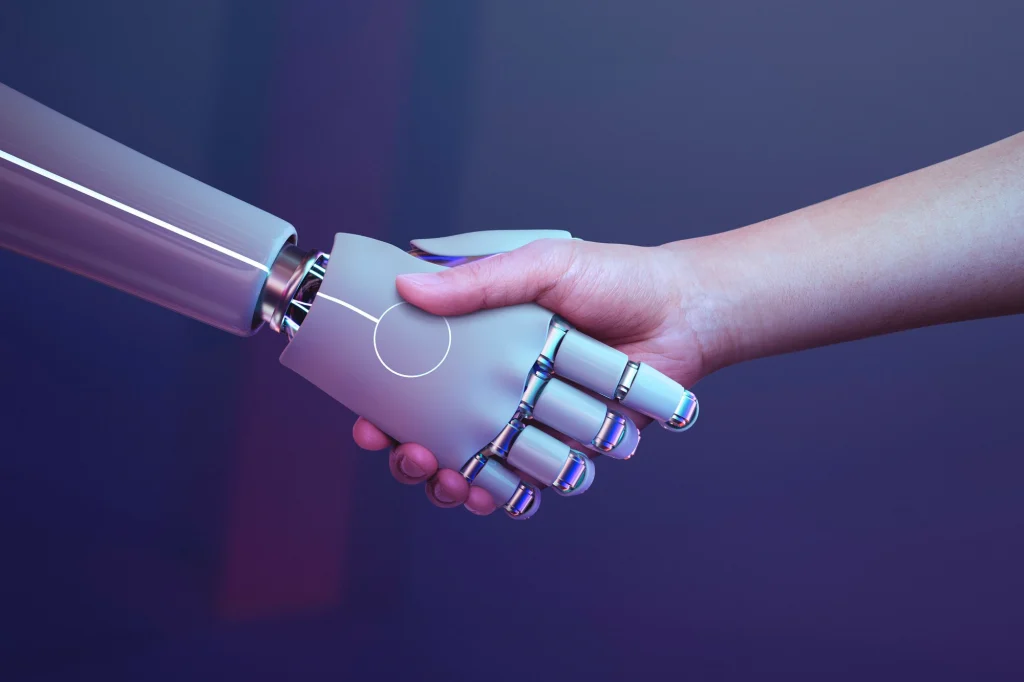
The future of artificial intelligence (AI) is a topic of much debate and speculation. Some experts believe that AI has the potential to transform virtually every aspect of our lives, while others are more cautious, arguing that we need to be mindful of the risks and limitations of this technology. In this article, we will explore some of the key trends and developments that are likely to shape the future of AI.
One of the most important trends in the field of AI is the increasing integration of machine learning into a wide range of applications. Machine learning algorithms are able to “learn” from data, without being explicitly programmed, and this has led to significant advances in fields such as image recognition, natural language processing, and autonomous vehicles. As machine learning techniques become more sophisticated and widely adopted, we can expect to see more and more applications of AI in areas such as healthcare, education, and finance.
Another key trend in the field of AI is the development of intelligent assistants, such as virtual assistants and chatbots. These technologies are designed to assist with a variety of tasks, including scheduling, answering questions, and providing customer service. As these technologies become more advanced, they are likely to play an increasingly important role in our daily lives, helping us to manage our schedules, communicate with others, and access information.
One area of AI that has attracted a great deal of attention in recent years is autonomous vehicles. Self-driving cars, trucks, and other vehicles are being developed by companies around the world, and it is likely that these technologies will become increasingly widespread in the coming years. However, there are also significant challenges to be addressed, such as the development of reliable sensors and algorithms, and the need to ensure the safety of passengers and pedestrians.
Another important area of AI research is in the field of robotics. Robots are already being used in a variety of applications, including manufacturing, healthcare, and even search and rescue operations. As robots become more advanced, they are likely to play an increasingly important role in our daily lives, assisting with tasks such as cleaning, cooking, and providing companionship.
While the potential benefits of AI are vast, there are also valid concerns about the risks and limitations of this technology. Some people worry that AI could lead to widespread job displacement, as machines take over tasks that are currently performed by humans. Others are concerned about the potential for AI to be used for malicious purposes, such as cyberattacks or military conflicts. It is important that we consider these issues carefully as we develop and deploy AI technologies, and work to ensure that the benefits of AI are distributed fairly and ethically.
In conclusion, the future of AI is likely to be marked by significant advances and transformations across a wide range of fields. From machine learning and intelligent assistants to autonomous vehicles and robotics, AI has the potential to revolutionize the way we live and work. However, it is also important that we address the risks and limitations of this technology, and work to ensure that the benefits of AI are shared by all.
References:
- “The Future of Artificial Intelligence” (MIT Technology Review, 2018) https://www.technologyreview.com/s/611292/the-future-of-artificial-intelligence/
- “AI’s Future: More Human Than Human” (Forbes, 2018) https://www.forbes.com/sites/forbestechcouncil/2018/03/09/ais-future-more-human-than-human/?sh=6e52736c5e5b
- “The Future of Artificial Intelligence: Opportunities and Challenges” (World Economic Forum, 2019) https://www.weforum.org/agenda/2019/06/
