
Introduction
Artificial Intelligence (AI) has revolutionised our world, offering unprecedented advancements in technology, healthcare, and everyday convenience. Yet, as we embrace its potential, we must also confront its darker side. From job displacement to privacy breaches, the dangers of AI are as real as its benefits. In this article, I explore three critical risks posed by AI, shedding light on why we must tread carefully in this rapidly evolving landscape.
Key Takeaways
- AI-driven automation threatens job security across multiple industries, demanding workforce adaptation.
- Privacy concerns escalate as AI systems mine and misuse personal data without consent.
- Bias in AI algorithms perpetuates discrimination, undermining fairness in decision-making.
- Cyber attacks powered by AI are becoming more sophisticated, posing new security challenges.
- Overreliance on AI risks eroding human skills and accountability in critical systems.
Introduction to AI and Its Rapid Advancement
Defining Artificial Intelligence
Artificial Intelligence refers to machines designed to mimic human cognitive functions, such as learning and problem-solving. From voice assistants to predictive algorithms, AI permeates our daily lives. Its ability to process vast data sets and make decisions autonomously sets it apart from traditional software, but this very capability raises ethical and practical concerns.
The Evolution of AI Technologies
AI has evolved from simple rule-based systems to complex neural networks capable of deep learning. Breakthroughs in computing power and data availability have accelerated its growth, enabling applications like AI-powered healthcare diagnostics and autonomous vehicles. However, this rapid progress also outpaces regulatory frameworks, leaving gaps in oversight.
Current Applications of AI in Society
Today, AI drives everything from personalised marketing to criminal justice systems. While these innovations improve efficiency, they also introduce risks. For instance, AI’s dual-edged nature means its benefits often come with unintended consequences. Understanding these applications is the first step toward mitigating their dangers.
Understanding the Potential Risks of AI
The Dual-Edged Sword of AI Development
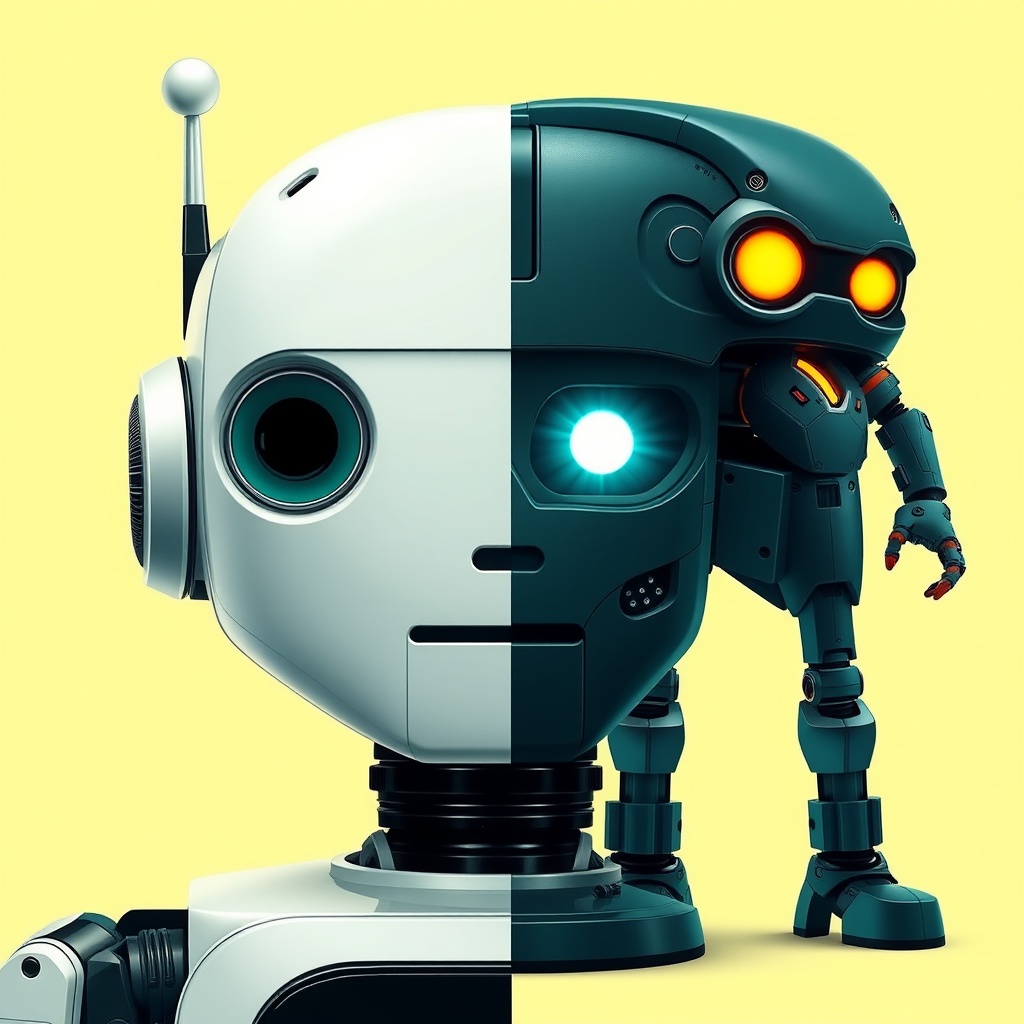
AI’s rapid advancement is undeniably transformative, but it’s also a double-edged sword. While we celebrate its ability to streamline processes and solve complex problems, we must acknowledge the inherent risks. The same algorithms that power life-saving medical diagnostics can also be weaponised for malicious purposes. This duality forces us to tread carefully, balancing innovation with caution to ensure AI serves humanity’s best interests.
The ethical implications of AI development are profound. We’re not just coding machines; we’re embedding societal values into systems that may outlast us. If unchecked, biases in training data can perpetuate discrimination, and opaque decision-making processes can erode trust. The challenge lies in creating transparent, accountable frameworks that align AI’s potential with our collective moral compass.
Why Awareness of AI Dangers is Crucial
Awareness is our first line of defence against AI’s unintended consequences. Many of us interact with AI daily—through cloud computing, virtual assistants, or predictive algorithms—yet few understand how these systems work. This knowledge gap leaves us vulnerable to manipulation, whether through biased hiring tools or invasive surveillance. By educating ourselves, we can demand accountability and shape policies that prioritise human welfare over unchecked automation.
The stakes are high. From job displacement to privacy breaches, AI’s risks are not hypothetical—they’re unfolding now. Ignorance isn’t bliss; it’s a liability. We must foster a culture of critical inquiry, questioning how AI is designed and deployed. Only then can we harness its benefits while mitigating its dangers, ensuring a future where technology uplifts rather than undermines us.
The Danger of Job Displacement Due to AI
Industries Most at Risk of Automation
AI’s efficiency comes at a cost: jobs. Industries reliant on repetitive tasks—manufacturing, retail, and customer service—are particularly vulnerable. For example, AI-driven automation is already replacing assembly line workers and cashiers. Even white-collar roles, like data entry and legal research, are at risk as algorithms grow more sophisticated. The scale of disruption is unprecedented, threatening livelihoods across sectors.
Yet, automation isn’t uniform. Creative and empathetic roles—artists, therapists, teachers—remain harder to replicate. This divergence creates a stark divide: those who can adapt and those left behind. The challenge isn’t just technological; it’s societal. We must rethink education and training to prepare workers for an AI-augmented economy, where human skills complement machine capabilities.
The Socioeconomic Impact of Job Losses
Job displacement isn’t just about unemployment statistics; it’s about human lives. Mass layoffs can devastate communities, exacerbating inequality and social unrest. Without intervention, AI could widen the gap between the tech elite and the displaced workforce. The ripple effects—reduced consumer spending, strained welfare systems—threaten economic stability. We can’t afford to let automation dictate our social fabric.
Solutions exist. Universal basic income, reskilling programs, and entrepreneurial support can cushion the blow. But these require political will and public investment. The question isn’t whether AI will disrupt jobs—it’s how we’ll respond. By prioritising human dignity, we can turn disruption into opportunity, ensuring no one is left behind in the AI revolution.
Strategies for Workforce Adaptation
Adaptation is key to surviving the AI-driven job market. Lifelong learning must become the norm, with emphasis on digital literacy and soft skills. Governments and businesses should collaborate on upskilling initiatives, offering accessible training for displaced workers. Flexibility is equally crucial; the gig economy and remote work can provide stopgap solutions while industries evolve.
Ultimately, AI should augment, not replace, human labour. By redesigning roles to leverage human creativity and emotional intelligence, we can create symbiotic workplaces. The goal isn’t to resist change but to steer it, ensuring AI serves as a tool for empowerment rather than a force for exclusion. The future of work depends on our ability to adapt—and our willingness to act.

Privacy Concerns in the Age of AI
How AI Compromises Personal Data Security
AI’s hunger for data is insatiable. From facial recognition to predictive analytics, our personal information fuels these systems—often without our consent. Every click, purchase, and location check-in is mined, creating detailed profiles that can be exploited. Breaches are inevitable; even encrypted data isn’t foolproof. The result? A world where privacy feels like a relic of the past, and our digital footprints are permanent.
The irony is stark. AI promises convenience—personalised ads, smart homes, health monitoring—but at what cost? Companies profit from our data while we bear the risks: identity theft, discrimination, and loss of autonomy. Regulation lags behind innovation, leaving gaps for abuse. We must demand transparency and control over our data, ensuring AI serves us, not the other way around.
The Role of AI in Surveillance and Data Mining
Surveillance has evolved beyond CCTV cameras. AI-powered tools track our movements, analyse our behaviour, and even predict our actions. Governments and corporations wield these technologies, often under the guise of security or efficiency. But unchecked surveillance erodes trust and freedom, creating societies where dissent is stifled and conformity enforced. The line between safety and oppression blurs.
Data mining amplifies these risks. Algorithms sift through vast datasets, identifying patterns that can be used for targeted advertising—or manipulation. The ethical implications are profound. Without robust safeguards, AI becomes a tool of control, not progress. We must advocate for ethical guidelines that balance innovation with individual rights, ensuring surveillance serves the public good without sacrificing privacy.
Protecting Privacy in an AI-Driven World
Protecting privacy requires collective action. Stronger data protection laws, like GDPR, are a start, but enforcement must keep pace with technological advances. Individuals can take steps too: using encrypted messaging, limiting social media sharing, and opting out of data collection where possible. Awareness is power; understanding how AI uses our data empowers us to make informed choices.
Technology itself can be part of the solution. Privacy-preserving AI techniques, like federated learning, allow analysis without centralised data storage. The goal isn’t to reject AI but to harness it responsibly. By prioritising privacy in design and policy, we can create a future where innovation and individual rights coexist. The choice is ours—to be watched or to be free.
The Threat of AI-Powered Cyber Attacks
The Evolution of Cyber Threats with AI
We’ve witnessed cyber threats evolve from simple viruses to sophisticated ransomware, but AI introduces a new level of danger. AI-powered attacks can adapt in real-time, learning from defences and bypassing traditional security measures. This adaptability makes them harder to detect and mitigate, posing unprecedented challenges for cybersecurity professionals. The speed at which AI can analyse vulnerabilities and launch attacks is alarming.
Examples of AI in Malicious Activities
From deepfake phishing scams to automated malware, AI is already being weaponised. For instance, AI-generated emails mimic human writing so convincingly that even vigilant users fall prey. Similarly, AI-driven bots can scan networks for weaknesses faster than any human hacker. These examples highlight how AI amplifies the scale and sophistication of cyber threats, making them more pervasive and damaging.
Defending Against AI-Enhanced Security Threats
To counter AI-powered attacks, we must embrace AI-driven defences. Machine learning algorithms can detect anomalies and predict attack patterns before they strike. However, this requires continuous updates and collaboration between industries. Investing in cloud computing and advanced encryption is also crucial to safeguard sensitive data from AI’s prying eyes.
Bias and Discrimination in AI Systems
How AI Can Perpetuate Existing Biases
AI systems learn from data, and if that data reflects societal biases, the AI will too. We’ve seen cases where hiring algorithms favour certain demographics or facial recognition tools misidentify people of colour. These biases aren’t just flaws—they reinforce inequality. Without careful oversight, AI risks becoming a tool for systemic discrimination, perpetuating the very issues we aim to solve.
The Consequences of Biased AI Decisions
Biased AI can have real-world consequences, from denying loans to qualified applicants to misdiagnosing medical conditions in underrepresented groups. These errors erode trust in technology and exacerbate social divides. Addressing bias isn’t just ethical; it’s essential for creating AI that serves everyone fairly. Transparency in AI decision-making is a critical step toward accountability.
Steps Towards More Equitable AI Technologies
We must prioritise diversity in AI development teams and datasets. Tools like AI fairness audits can identify and mitigate biases before deployment. Additionally, involving marginalised communities in the design process ensures AI solutions meet diverse needs. Equity in AI isn’t an afterthought—it’s the foundation of responsible innovation.
The Challenge of AI Accountability
Determining Responsibility in AI Decisions
When an AI system makes a harmful decision, who’s to blame? The developers, the users, or the algorithm itself? This question lies at the heart of AI accountability. Unlike human errors, AI’s decision-making processes are often opaque, complicating liability. Clear guidelines are needed to assign responsibility and ensure justice for those affected by AI’s actions.
Legal and Ethical Implications of AI Actions
AI’s autonomy raises complex legal questions. Should AI be granted personhood, or do we hold corporations accountable? Ethically, we must balance innovation with safeguards to prevent harm. Frameworks like the EU’s AI Act aim to regulate high-risk applications, but global cooperation is essential. Without it, loopholes will undermine accountability efforts.
Frameworks for AI Accountability
Establishing accountability requires robust frameworks. This includes transparency logs to track AI decisions and independent oversight bodies. Ethical AI principles must be embedded in corporate policies, ensuring developers prioritise safety over speed. Only then can we trust AI to act in our best interests.

AI and the Manipulation of Information
The Role of AI in Spreading Misinformation
AI’s ability to generate convincing fake content fuels the spread of misinformation. From fabricated news articles to manipulated videos, AI tools can deceive even the most discerning audiences. This erosion of trust in media has far-reaching consequences, polarising societies and undermining democracy. Combating AI-driven misinformation requires vigilance and advanced detection tools.
Deepfakes and the Erosion of Trust
Deepfakes—AI-generated videos or audio—are perhaps the most alarming example. They can depict public figures saying or doing things they never did, causing reputational damage and chaos. As deepfake technology improves, distinguishing truth from fiction becomes harder. This threatens not just individuals but the very fabric of informed public discourse.
Combating AI-Generated Fake Content
To fight back, we need AI-powered verification tools and public education campaigns. Platforms must prioritise transparency and label AI-generated content clearly. Collaboration between tech companies, governments, and civil society is key to preserving trust in the digital age. The battle against misinformation is one we cannot afford to lose.
The Risk of Overreliance on AI Systems
Diminishing Human Skills and Judgment
As we integrate AI deeper into our daily lives, I worry about the erosion of human skills and judgment. When AI handles tasks like decision-making or problem-solving, we risk becoming passive observers rather than active participants. Over time, this reliance can dull our critical thinking and creativity, leaving us ill-equipped to handle situations where AI falls short. It’s a subtle but profound shift that demands our attention.
Moreover, the convenience of AI can make us complacent. For instance, relying on AI for navigation might weaken our spatial awareness. Similarly, automated writing tools could stifle our ability to articulate thoughts independently. While AI offers efficiency, we must strike a balance to preserve the very skills that define our humanity.
The Dangers of AI System Failures
AI systems, for all their sophistication, are not infallible. I’ve seen instances where glitches or biases in AI led to catastrophic outcomes, from misdiagnoses in healthcare to flawed financial predictions. These failures highlight the risks of placing unchecked trust in machines. Unlike humans, AI lacks the ability to contextualise or adapt to unforeseen circumstances, making its errors particularly hazardous.
Consider autonomous vehicles: a single malfunction can have life-altering consequences. Similarly, AI-driven customer service bots often frustrate users when they fail to understand nuanced queries. These examples remind us that AI is a tool, not a replacement for human oversight. We must design systems with robust fail-safes and maintain vigilance to mitigate these dangers.
Balancing AI Assistance with Human Oversight
To harness AI’s benefits without succumbing to its pitfalls, we need a balanced approach. I advocate for frameworks where AI supports human decision-making rather than supplants it. For example, in healthcare, AI can analyse data, but doctors should interpret results and make final calls. This synergy ensures accuracy while preserving the human touch.
Education is another area where balance is key. AI can personalise learning, but teachers must guide students’ emotional and social development. By viewing AI as a collaborator, not a crutch, we can leverage its strengths while safeguarding our irreplaceable human qualities. The goal is coexistence, not dependence.
AI in Warfare and Autonomous Weapons
The Emergence of Lethal Autonomous Weapons
The rise of lethal autonomous weapons (LAWs) is one of the most alarming developments in AI. These systems can identify and engage targets without human intervention, raising ethical and moral questions. I fear a future where machines decide life and death, stripping humanity from warfare. The lack of accountability in such scenarios is deeply troubling, as errors could escalate conflicts uncontrollably.
Proponents argue that LAWs reduce soldier casualties, but at what cost? The potential for misuse by rogue states or terrorists is immense. Moreover, the speed of AI-driven warfare could outpace human decision-making, leaving little room for de-escalation. This arms race demands urgent international dialogue to prevent a dystopian reality.
Ethical Concerns Surrounding AI in Combat
Ethically, the use of AI in combat is fraught with dilemmas. Can a machine distinguish between combatants and civilians? I’ve studied cases where algorithmic biases led to tragic misidentifications. The moral weight of killing should never rest on lines of code. Human judgment, flawed as it is, carries a conscience that AI inherently lacks.
Another concern is the desensitisation to violence. Automated warfare distances soldiers from the horrors of battle, potentially making conflict more palatable. This detachment risks normalising war, undermining efforts for peace. We must ask ourselves: do we want a world where machines wage wars on our behalf?
International Efforts to Regulate Military AI
Thankfully, global efforts to regulate military AI are gaining traction. I’ve followed initiatives like the Campaign to Stop Killer Robots, which advocates for bans on LAWs. Treaties and frameworks are emerging to ensure human control over lethal decisions. However, enforcement remains a challenge, especially with nations racing for AI supremacy.
Transparency and collaboration are key. By sharing best practices and establishing norms, we can curb the militarisation of AI. The stakes are too high to leave unchecked. As a global community, we must prioritise humanity over technological dominance.
AI and the Future of Human Relationships
The Psychological Effects of AI Companionship
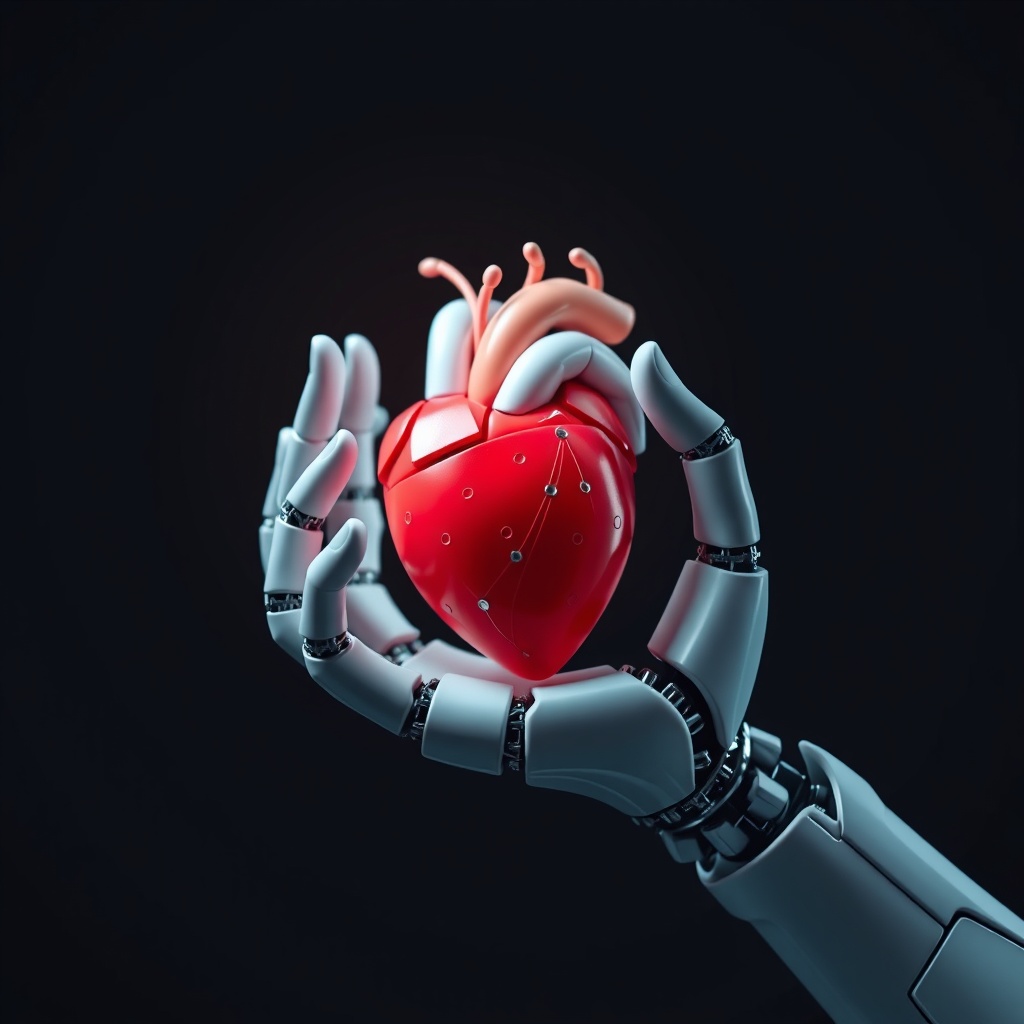
AI companionship is reshaping how we form relationships. I’ve observed how chatbots and virtual assistants provide solace to the lonely, but at what psychological cost? While these interactions can alleviate isolation, they may also hinder genuine human connections. The illusion of companionship without emotional depth risks leaving users unfulfilled, perpetuating a cycle of dependency on artificial bonds.
Studies suggest that prolonged interaction with AI can skew perceptions of empathy and intimacy. For instance, children raised with AI nannies might struggle with social cues. As we embrace these technologies, we must consider their long-term impact on our emotional well-being. Human relationships, with all their complexities, remain irreplaceable.
Changing Dynamics in Human Interactions
AI is altering the fabric of human interaction. From dating apps using algorithms to match partners to AI moderating online conversations, our social landscape is evolving. I’ve noticed how these tools can streamline connections but also introduce biases or superficiality. The risk is a society where relationships are curated by machines, devoid of spontaneity and authenticity.
Even in workplaces, AI-driven communication tools can depersonalise interactions. While efficiency improves, the loss of face-to-face engagement may erode teamwork and trust. Striking a balance between technological convenience and human warmth is essential to preserve the richness of our social lives.
Setting Boundaries with AI in Personal Life
To navigate this new terrain, setting boundaries is crucial. I recommend designating tech-free zones or times to foster real-world connections. For example, families might prioritise meals without devices, while couples could limit AI’s role in their relationships. These small acts reinforce the value of human presence.
Education also plays a role. Teaching digital literacy and emotional intelligence can help individuals discern between healthy and harmful AI use. By consciously integrating AI into our lives without letting it dominate, we can enjoy its benefits while safeguarding our humanity.
The Digital Divide and AI Inequality
How AI Exacerbates Global Inequalities
We often overlook how AI widens the gap between developed and developing nations. While affluent societies harness AI for innovation, marginalised communities struggle with limited access to these technologies. This disparity reinforces existing socioeconomic divides, leaving many behind in the race for progress. I’ve seen how AI-driven solutions, like healthcare diagnostics, remain out of reach for those who need them most, perpetuating a cycle of inequality.
The lack of infrastructure and funding in poorer regions further deepens this divide. Without equitable access to AI tools, these areas miss opportunities for growth and development. We must address this imbalance to ensure AI benefits everyone, not just the privileged few. Initiatives like open-source AI projects can help bridge this gap by making technology more accessible.
Access to AI Benefits Across Different Societies
Access to AI isn’t uniform, even within wealthy nations. Rural areas, for instance, often lag behind urban centres in adopting AI-driven services. This uneven distribution creates pockets of disadvantage, where communities miss out on advancements like smart agriculture or personalised education. I’ve observed how these disparities can stifle potential, leaving entire regions underserved.
Efforts to democratise AI, such as community training programmes, are crucial. By empowering diverse groups with AI literacy, we can foster inclusive growth. For example, basic AI education can equip individuals with the skills to leverage these tools effectively. It’s about creating pathways for all to participate in the AI revolution, regardless of their background.
Bridging the Gap in AI Education and Resources
Education is the cornerstone of reducing AI inequality. Many schools and universities lack the resources to teach AI, leaving students unprepared for future job markets. We need comprehensive curricula that integrate AI concepts early on. I’ve seen how early exposure to coding and machine learning can ignite passion and open doors for underrepresented groups.
Collaborations between governments and tech companies can amplify these efforts. Scholarships, online courses, and mentorship programmes can make AI education more accessible. For instance, simplified AI resources can demystify the subject for beginners. By investing in education, we can ensure that the next generation is equipped to thrive in an AI-driven world.
Ethical AI Development and Governance
Principles for Responsible AI Innovation
Ethical AI development starts with clear principles. Transparency, fairness, and accountability must guide every stage of innovation. I’ve witnessed how biased algorithms can harm marginalised groups, underscoring the need for rigorous ethical frameworks. Developers should prioritise inclusivity, ensuring AI systems reflect diverse perspectives and needs.
Adopting ethical guidelines isn’t just a moral obligation—it’s a practical necessity. Trust in AI hinges on its perceived fairness and reliability. By embedding ethical considerations into design, we can build systems that serve society equitably. For example, discussions on AI ethics can help stakeholders navigate complex dilemmas and align technology with human values.
The Role of Governments and Organizations in AI Ethics
Governments and organisations play a pivotal role in shaping AI ethics. Policies must balance innovation with safeguards against misuse. I’ve seen how regulatory frameworks, like GDPR, can protect privacy while fostering innovation. Collaboration between policymakers, technologists, and civil society is essential to create standards that keep pace with AI advancements.
International cooperation is equally important. AI’s global impact demands cross-border agreements to address challenges like data sovereignty and algorithmic bias. By working together, we can ensure AI serves the common good. For instance, initiatives like the OECD AI Principles provide a foundation for harmonised ethical standards worldwide.
Public Participation in Shaping AI Policies
Public input is vital for ethical AI governance. Too often, decisions about AI are made behind closed doors, excluding those most affected. I believe inclusive dialogues—like town halls and online consultations—can democratise policy-making. Engaging diverse voices ensures AI reflects collective values and addresses societal concerns.
Transparency in AI development fosters trust and accountability. By involving the public in discussions about AI’s role in their lives, we can build systems that align with community needs. For example, participatory design workshops can bridge the gap between technologists and end-users, creating AI solutions that truly serve people.
Preparing for a Future Shaped by AI
Educational Reforms for an AI-Driven Economy
The AI revolution demands a rethink of education systems. Traditional curricula often fail to prepare students for the jobs of tomorrow. I’ve seen how integrating AI and digital literacy into schools can equip learners with future-ready skills. Emphasising critical thinking and adaptability is just as important as technical knowledge.
Lifelong learning must become the norm. As AI evolves, so must our skills. Online platforms and vocational training can help workers stay relevant in a changing job market. By prioritising education, we can ensure no one is left behind in the AI era.
The Importance of Lifelong Learning in the AI Era
Lifelong learning is no longer optional—it’s a necessity. AI’s rapid advancements mean skills can become obsolete quickly. I’ve met professionals who’ve reinvented their careers through continuous education. Micro-credentials and upskilling programmes offer flexible pathways to stay competitive.
Employers also play a role in fostering a culture of learning. By investing in employee development, businesses can build resilient workforces. The future belongs to those who embrace learning as a lifelong journey, adapting to AI’s transformative potential.
Building Resilient Societies Amidst AI Transformations
AI’s societal impact requires proactive resilience-building. Communities must adapt to disruptions like job displacement and digital divides. I’ve seen how local initiatives, such as tech hubs and retraining centres, can empower individuals to navigate these changes.
Social safety nets and inclusive policies are equally crucial. By addressing inequality and fostering solidarity, we can create societies that thrive alongside AI. The goal is to harness AI’s benefits while mitigating its risks, ensuring a future that works for all.
Frequently Asked Questions
How does AI worsen global inequalities?
AI exacerbates inequalities by favouring regions with advanced infrastructure and resources. Developing nations often lack access to AI tools, widening the gap between the privileged and marginalised. Initiatives like open-source projects and equitable funding can help bridge this divide.
What role does education play in reducing AI inequality?
Education is key to democratising AI. By integrating AI literacy into curricula and offering accessible training, we can empower diverse groups to participate in the AI revolution. Early exposure and lifelong learning are essential for inclusive growth.
Why is public participation important in AI governance?
Public input ensures AI policies reflect societal values and address community concerns. Inclusive dialogues and transparent decision-making foster trust and accountability, creating AI systems that serve everyone equitably.
How can individuals prepare for an AI-driven future?
Lifelong learning and adaptability are crucial. Embracing continuous education, upskilling, and staying informed about AI trends can help individuals thrive in a rapidly evolving job market.
