
Introduction
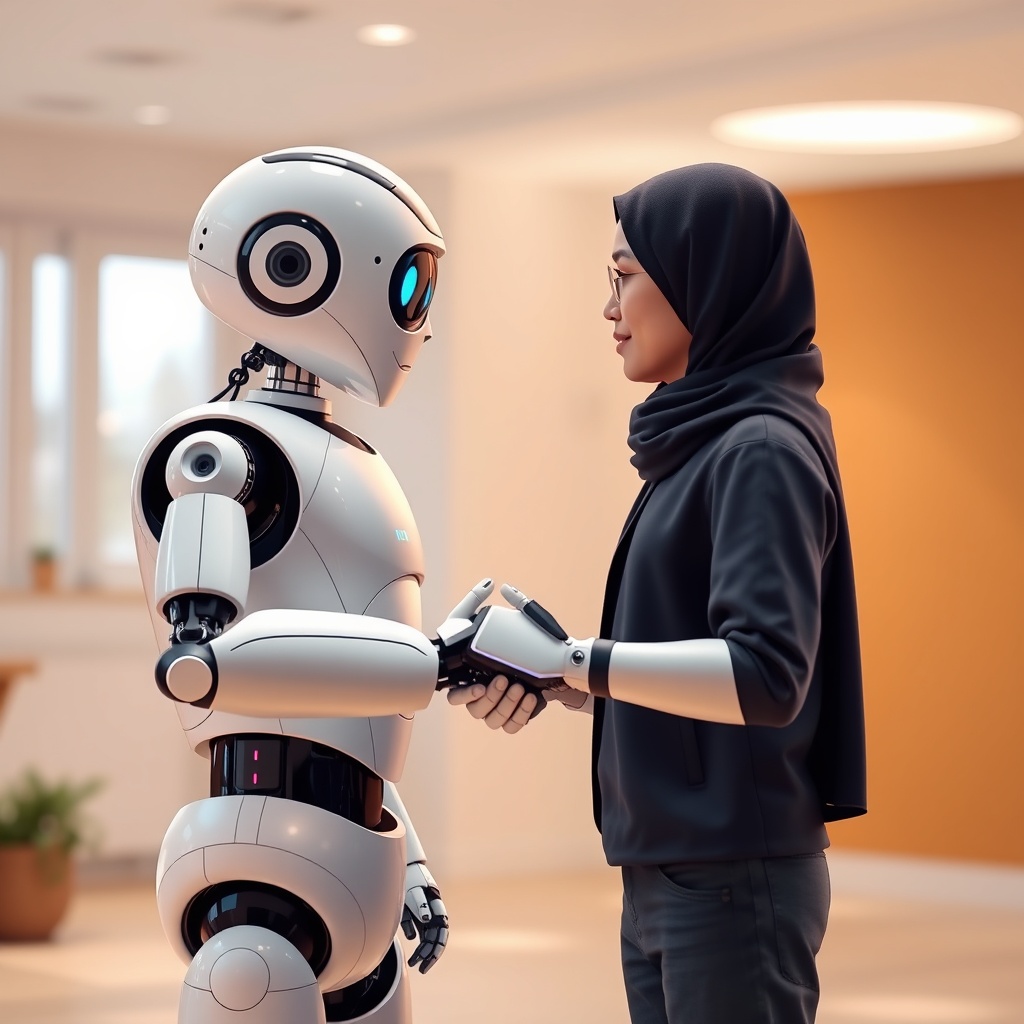
Artificial intelligence, or AI, is a term we hear often, but what does it really mean? In simple terms, AI refers to machines designed to mimic human intelligence, performing tasks like problem-solving, learning, and decision-making. From voice assistants to recommendation systems, AI is woven into our daily lives. But how does it work, and why does it matter? Let’s break it down in a way anyone can understand.
Key Takeaways
- AI mimics human intelligence to perform tasks like learning and decision-making.
- It powers everyday tools like voice assistants and recommendation systems.
- AI differs from human intelligence by relying on data and algorithms.
- Common misconceptions include fears of AI replacing humans entirely.
- Understanding AI basics helps demystify its role in modern life.
Understanding AI in Simple Terms
Defining Artificial Intelligence
Artificial intelligence is the simulation of human intelligence in machines. These machines are programmed to think, learn, and adapt, often outperforming humans in specific tasks. For example, AI can analyse vast amounts of data in seconds, something impossible for us. It’s not about replicating human consciousness but enhancing efficiency. Think of it as a tool, not a replacement.
How AI Differs from Human Intelligence
While AI excels in speed and accuracy, it lacks human intuition and emotional depth. Humans learn from experiences and context, whereas AI relies on data and predefined algorithms. For instance, AI can diagnose diseases faster but can’t empathise with patients. This distinction is crucial to understanding AI’s limitations and potential. It’s a complement, not a competitor, to human intelligence.
Common Misconceptions About AI
Many fear AI will replace jobs or even humanity. However, AI is designed to assist, not dominate. It’s a tool that requires human oversight. Another myth is that AI is infallible; in reality, it’s only as good as the data it’s fed. By debunking these myths, we can appreciate AI’s true value. For more insights, explore demystifying AI.
The History and Evolution of AI
The Origins of Artificial Intelligence
When I think about the origins of AI, I’m reminded of the early 20th century, when visionaries like Alan Turing began pondering whether machines could think. The term “artificial intelligence” was coined in 1956 at the Dartmouth Conference, marking the birth of AI as a field. Back then, the idea was simple: could we create machines that mimic human intelligence? It was a bold question, and one that set the stage for decades of innovation.
In those early days, AI was more theoretical than practical. Researchers focused on symbolic reasoning and problem-solving, laying the groundwork for what would become modern AI. The excitement was palpable, but progress was slow. Computers were primitive, and the algorithms we take for granted today were still in their infancy. Yet, the seeds of AI had been planted, and they would soon sprout into something extraordinary.
Key Milestones in AI Development
As I reflect on AI’s journey, certain milestones stand out. In 1997, IBM’s Deep Blue defeated chess champion Garry Kasparov, proving that machines could outperform humans in complex tasks. Then came the rise of machine learning in the 2000s, fueled by vast amounts of data and improved computing power. Suddenly, AI wasn’t just a theoretical concept—it was a practical tool transforming industries.
Another pivotal moment was the advent of deep learning in the 2010s. Neural networks, inspired by the human brain, began achieving remarkable feats, from image recognition to natural language processing. These breakthroughs weren’t just academic; they reshaped how we interact with technology. Today, AI is everywhere, from predicting the future to powering virtual assistants like Siri and Alexa.
The Current State of AI
Today, AI is no longer a futuristic dream—it’s a reality. We see it in healthcare, where AI diagnoses diseases faster than doctors, and in finance, where it detects fraudulent transactions in milliseconds. The technology has become so pervasive that it’s hard to imagine life without it. Yet, despite its advancements, AI still has limitations. It excels at narrow tasks but struggles with general intelligence, a reminder that we’re still far from creating machines that think like humans.
Looking ahead, the potential is staggering. AI is poised to revolutionise everything from climate science to space exploration. But with great power comes great responsibility. As we push the boundaries of what AI can do, we must also address ethical concerns like bias and privacy. The journey is far from over, and the next chapter promises to be even more exciting.
How AI Works A Basic Overview
The Role of Data in AI
At the heart of AI lies data—the fuel that powers every algorithm. Without data, AI would be like a car without petrol: impressive in theory but useless in practice. I often compare AI to a child learning from experience. Just as a child learns to recognise a cat by seeing many examples, AI learns patterns from vast datasets. The more data it has, the better it performs.
But not all data is created equal. Quality matters as much as quantity. Garbage in, garbage out, as the saying goes. That’s why data cleaning and preprocessing are critical steps in AI development. We need to ensure the data is accurate, relevant, and free from biases. Only then can AI models make reliable predictions and decisions.
Understanding Algorithms and Machine Learning
Algorithms are the brains behind AI, the instructions that tell machines how to learn. Machine learning, a subset of AI, involves training algorithms to improve over time. Think of it as teaching a dog new tricks—except the dog is a computer, and the tricks are complex tasks like translating languages or driving cars.
There are different types of machine learning, each suited to specific tasks. Supervised learning, for example, uses labelled data to train models, while unsupervised learning finds hidden patterns in unlabelled data. Reinforcement learning, on the other hand, rewards algorithms for making good decisions, much like training a pet with treats. These techniques, combined with powerful hardware, enable AI to tackle problems that were once thought impossible.
The Process of AI Learning and Adaptation
AI’s ability to learn and adapt is what sets it apart from traditional software. Unlike static programs, AI models evolve as they encounter new data. This process, known as training, involves feeding data into the model and adjusting its parameters to minimise errors. Over time, the model becomes more accurate, capable of making predictions or classifications with high confidence.
But learning doesn’t stop there. AI systems can also adapt to changing environments through techniques like transfer learning, where knowledge from one task is applied to another. This flexibility is what makes AI so powerful—and so unpredictable. As we continue to refine these processes, we unlock new possibilities, from personalised medicine to autonomous vehicles. The future of AI is limited only by our imagination.

Types of Artificial Intelligence
Narrow AI vs General AI
When people talk about AI, they’re usually referring to narrow AI—systems designed for specific tasks, like recommending movies or detecting spam. These systems are incredibly effective within their domain but lack the versatility of human intelligence. General AI, on the other hand, is the holy grail: machines that can perform any intellectual task a human can. While narrow AI is everywhere today, general AI remains a distant dream.
The distinction between the two is crucial. Narrow AI excels in controlled environments, like playing chess or analysing medical images. General AI, if achieved, would revolutionise society, but it also raises ethical and existential questions. For now, we’re focused on refining narrow AI, pushing its boundaries while keeping an eye on the long-term goal of creating machines that truly think.
Reactive Machines and Limited Memory AI
Reactive machines are the simplest form of AI, capable of responding to inputs but unable to learn from past experiences. IBM’s Deep Blue, the chess-playing computer, is a classic example. It could evaluate millions of moves but couldn’t improve its strategy over time. Limited memory AI, like self-driving cars, takes a step further by using recent data to make decisions. These systems are more advanced but still fall short of human-like learning.
The difference lies in memory. Reactive machines operate in the moment, while limited memory AI can recall past events to inform future actions. This makes them more adaptable but also more complex to design. As we develop AI with longer memory spans, we edge closer to systems that can learn and reason like humans—though we’re not there yet.
The Concept of Self-aware AI
Self-aware AI is the stuff of science fiction—machines that not only think but also understand their own existence. While this idea captivates our imagination, it’s far from reality. Current AI lacks consciousness, emotions, or self-awareness. It can simulate human-like behaviour, but it doesn’t “understand” in the way we do.
That’s not to say self-aware AI is impossible. Some researchers believe it’s the inevitable next step, while others argue it’s a philosophical impossibility. Either way, the debate highlights the profound questions AI raises about intelligence, consciousness, and what it means to be human. For now, we’re focused on building AI that’s useful, ethical, and aligned with our values—whether or not it ever becomes self-aware.
Everyday Examples of AI in Action
AI is no longer a futuristic concept; it’s woven into the fabric of our daily lives. From the moment we wake up, our smartphones use AI to personalise our news feeds and optimise battery life. Virtual assistants like Siri and Alexa rely on AI to understand and respond to our voice commands, making our homes smarter and more convenient. These tools are just the tip of the iceberg.
Online shopping platforms leverage AI to recommend products based on our browsing history, while navigation apps like Google Maps use it to predict traffic and suggest the fastest routes. Even social media platforms employ AI to curate content tailored to our interests. These everyday applications highlight how AI enhances convenience and efficiency in ways we often take for granted.
AI in Smartphones and Home Devices
Smartphones are perhaps the most ubiquitous example of AI in action. Features like facial recognition, predictive text, and photo organisation rely on machine learning algorithms. Home devices, such as smart thermostats and security systems, use AI to learn our habits and adjust settings automatically. These innovations make our lives easier while showcasing AI’s ability to adapt to individual needs.
AI in Online Shopping and Recommendations
E-commerce giants like Amazon use AI to analyse vast amounts of data, predicting what products we might like based on past purchases and browsing behaviour. This not only improves the shopping experience but also drives sales for businesses. Similarly, streaming services like Netflix and Spotify use AI to recommend content, ensuring we always have something engaging to watch or listen to.
AI in Navigation and Travel
Navigation apps have revolutionised travel by using AI to process real-time data on traffic, accidents, and road closures. These apps suggest alternate routes, saving time and reducing stress. Ride-sharing services like Uber also rely on AI to match drivers with passengers efficiently, demonstrating how AI can streamline even the most mundane aspects of our lives.
The Benefits of AI for Society
AI’s impact extends far beyond convenience; it’s transforming industries and improving lives. In healthcare, AI-powered tools analyse medical data to diagnose diseases earlier and more accurately. Environmental scientists use AI to monitor climate change and develop sustainable solutions. These advancements highlight AI’s potential to address some of society’s most pressing challenges.
Businesses also benefit from AI through increased efficiency and productivity. Automated processes reduce human error and free up employees to focus on creative tasks. As AI continues to evolve, its ability to drive innovation across sectors will only grow, offering new opportunities for economic and social progress.
Enhancing Efficiency and Productivity
AI automates repetitive tasks, allowing businesses to operate more efficiently. For example, chatbots handle customer inquiries, while predictive maintenance systems prevent equipment failures in manufacturing. These applications not only save time and money but also improve service quality, demonstrating AI’s role as a catalyst for productivity.
AI in Healthcare Saving Lives
AI is revolutionising healthcare by enabling early detection of diseases like cancer through advanced imaging analysis. It also personalises treatment plans by analysing patient data, improving outcomes. Telemedicine platforms powered by AI make healthcare more accessible, particularly in remote areas, proving that AI can be a lifeline for many.
Environmental Protection Through AI
AI helps combat climate change by optimising energy use in buildings and predicting natural disasters. It also aids in wildlife conservation by tracking endangered species. These applications show how AI can be harnessed to protect our planet, offering hope for a sustainable future.
How AI is Changing the Job Market
AI’s rise is reshaping the job market, creating new opportunities while transforming existing roles. While some fear job displacement, AI is also generating demand for skills in data science, machine learning, and AI ethics. The key lies in adapting to these changes and embracing lifelong learning to stay relevant in an AI-driven world.
Industries like finance and customer service are already seeing the effects of AI, with automated systems handling tasks once performed by humans. However, these changes also open doors for roles that require human creativity and emotional intelligence, areas where AI still falls short. The future job market will likely be a blend of human and AI collaboration.
Jobs Created by AI
New roles such as AI trainers, ethicists, and maintenance specialists are emerging as AI becomes more prevalent. These positions require a deep understanding of AI systems and their societal implications, highlighting the need for specialised education and training programs to prepare the workforce for the future.
Jobs Transformed by AI
Many traditional jobs are evolving with AI integration. For example, accountants now use AI for data analysis, allowing them to focus on strategic decision-making. Similarly, marketers leverage AI to personalise campaigns, enhancing customer engagement. These transformations underscore the importance of upskilling to remain competitive.
Preparing for an AI-Driven Future
To thrive in an AI-driven economy, individuals and organisations must prioritise continuous learning. Governments and educational institutions play a crucial role in providing resources and training to equip workers with the skills needed for tomorrow’s jobs. Embracing AI as a tool rather than a threat will be key to unlocking its full potential.

Ethical Considerations in AI
As AI becomes more integrated into society, ethical concerns must be addressed to ensure its responsible use. Issues like data privacy, algorithmic bias, and the potential for misuse pose significant challenges. Tackling these problems requires collaboration between technologists, policymakers, and the public to create frameworks that prioritise fairness and accountability.
For example, AI systems trained on biased data can perpetuate discrimination, affecting hiring practices and loan approvals. Ensuring transparency in AI decision-making is crucial to building trust. Additionally, the debate over AI autonomy raises questions about accountability, particularly in critical areas like healthcare and criminal justice. These ethical dilemmas demand thoughtful solutions.
Privacy Concerns with AI
AI’s reliance on vast amounts of data raises concerns about privacy and surveillance. Striking a balance between innovation and individual rights is essential. Regulations like GDPR aim to protect personal data, but ongoing vigilance is needed to prevent misuse and ensure ethical data practices.
Bias and Fairness in AI Algorithms
AI systems can inherit biases present in their training data, leading to unfair outcomes. Addressing this requires diverse datasets and rigorous testing to identify and mitigate biases. Ethical AI development must prioritise inclusivity to ensure equitable benefits for all.
The Debate Over AI Autonomy
The prospect of fully autonomous AI systems raises ethical and philosophical questions. Who is responsible when an AI makes a mistake? Establishing clear guidelines for AI autonomy is critical to navigating these challenges and ensuring that AI serves humanity’s best interests.
AI in Entertainment and Media
AI in Video Games and Virtual Reality
We’ve seen AI transform video games and virtual reality, making experiences more immersive and dynamic. AI-driven characters now adapt to player behaviour, creating unique challenges and narratives. In VR, AI enhances realism by simulating natural interactions and environments. These advancements blur the line between virtual and real worlds, offering players unprecedented engagement. The future promises even more personalised gaming experiences, tailored to individual preferences and play styles.
Beyond gameplay, AI assists developers in designing levels and testing mechanics, reducing production time. Tools like procedural generation use algorithms to create vast, intricate worlds effortlessly. This not only saves resources but also ensures endless variety for players. As AI evolves, we can expect games to become more intuitive, responsive, and lifelike, revolutionising how we interact with digital entertainment.
The Role of AI in Film and Music Production
AI is reshaping film and music production, streamlining creative processes and unlocking new possibilities. In filmmaking, AI analyses scripts to predict audience reactions and suggests edits for better engagement. It also assists in post-production, automating tasks like colour grading and visual effects. These tools allow creators to focus on storytelling while AI handles technical complexities, making high-quality production more accessible.
In music, AI composes melodies, generates lyrics, and even mimics iconic artists’ styles. Platforms like Amper Music enable users to create original tracks without musical expertise. AI also personalises listening experiences, curating playlists based on mood and preferences. While some fear AI might replace human creativity, it’s more of a collaborator, amplifying artistic expression and democratising content creation.
Personalised Content Through AI
AI powers the personalised content we consume daily, from Netflix recommendations to targeted ads. By analysing user data, AI predicts preferences and delivers tailored experiences. Streaming platforms use algorithms to suggest shows, while news apps curate articles based on reading habits. This hyper-personalisation keeps users engaged but raises questions about echo chambers and data privacy.
Beyond entertainment, AI personalises education and shopping, adapting to individual needs. For instance, Duolingo’s AI tailors language lessons to learners’ progress. While convenience is undeniable, balancing personalisation with diversity remains a challenge. As AI refines its understanding of human behaviour, the line between helpful and intrusive will continue to evolve.
The Future of AI What to Expect
Predictions for AI Advancements
We’re on the brink of AI breakthroughs that will redefine industries and daily life. Experts predict AI will achieve human-like reasoning, enabling more complex problem-solving. Quantum computing could supercharge AI, processing vast datasets in seconds. These advancements will revolutionise fields like medicine, where AI might design personalised treatments or predict outbreaks before they occur.
Ethical AI development will also take centre stage, ensuring transparency and fairness. Governments and organisations are already drafting guidelines to prevent misuse. As AI becomes more autonomous, balancing innovation with accountability will be crucial. The next decade will likely see AI integrated into every aspect of society, from smart cities to space exploration.
The Potential for AI in Space Exploration
AI is set to play a pivotal role in space exploration, handling tasks too dangerous or complex for humans. Autonomous rovers like NASA’s Perseverance use AI to navigate Mars’ terrain and conduct experiments. Future missions might deploy AI to build habitats or mine resources on other planets, reducing reliance on Earth. These technologies could make interplanetary colonisation a reality.
AI also analyses astronomical data, identifying exoplanets and cosmic phenomena. Projects like SETI leverage machine learning to scan for extraterrestrial signals. As space agencies plan manned missions to Mars, AI will be indispensable for life support and decision-making. The cosmos, once beyond our reach, is becoming an AI-driven frontier.
The Long-term Vision for AI
The ultimate goal for AI is to augment human capabilities, not replace them. Imagine AI assistants that anticipate needs or healthcare systems that prevent illnesses before symptoms appear. Such innovations could elevate quality of life globally. However, achieving this vision requires addressing biases, ensuring equitable access, and maintaining human oversight.
Long-term, AI might achieve general intelligence, rivaling human cognition. While this raises existential questions, it also offers solutions to global challenges like climate change and poverty. The journey ahead is as much about technological progress as it is about ethical reflection. Our collective choices today will shape AI’s role in tomorrow’s world.
Getting Started with AI A Beginner’s Guide
Basic Resources to Learn About AI
Starting your AI journey is easier than ever, thanks to abundant online resources. Platforms like Coursera and edX offer courses from top universities, covering basics to advanced topics. Books like “Artificial Intelligence: A Guide for Thinking Humans” provide accessible introductions. For hands-on learners, coding platforms like Kaggle host datasets and competitions to practise skills.
Communities like Reddit’s r/learnmachinelearning offer support and advice. Many resources are free, making AI education accessible to all. Whether you’re a student or a professional, these tools demystify AI and equip you with foundational knowledge. The key is to start small, stay curious, and build gradually.
Simple Projects to Experiment with AI
Practical projects are the best way to grasp AI concepts. Begin with image recognition using TensorFlow or PyTorch, training models to classify objects. Chatbots are another beginner-friendly project, teaching natural language processing basics. These exercises reinforce theory while showcasing AI’s real-world applications.
For those interested in data, try predicting housing prices or stock trends using regression models. Open-source tools like Google Colab provide cloud-based environments for experimentation. As confidence grows, tackle more complex projects like autonomous game agents. The hands-on approach transforms abstract ideas into tangible skills.
Communities and Forums for AI Enthusiasts
Joining AI communities accelerates learning and fosters collaboration. Platforms like GitHub host open-source projects where beginners can contribute and learn. Meetups and hackathons connect enthusiasts, offering networking and mentorship opportunities. Online forums like Stack Overflow provide solutions to technical challenges.
Professional organisations like the Association for the Advancement of Artificial Intelligence (AAAI) host conferences and publish research. Engaging with these communities keeps you updated on trends and breakthroughs. Whether online or in-person, these spaces nurture curiosity and innovation, making AI accessible to everyone.

AI Tools and Technologies for Everyday Use
AI-Powered Apps and Software
AI-powered apps simplify daily tasks, from scheduling to language translation. Virtual assistants like Siri and Google Assistant manage calendars and answer queries. Grammarly uses AI to refine writing, while apps like Replika offer AI companionship. These tools integrate seamlessly into routines, enhancing productivity and convenience.
Businesses leverage AI software for customer service and data analysis. Chatbots handle inquiries, while predictive analytics optimise operations. As AI becomes more sophisticated, its applications will expand, transforming how we work and live. The challenge lies in designing intuitive interfaces that make AI accessible to non-technical users.
Smart Home Devices Utilizing AI
Smart home devices exemplify AI’s potential to enhance comfort and security. Thermostats like Nest learn preferences to optimise energy use. Security systems use facial recognition to identify intruders. Voice-controlled assistants centralise control, allowing users to manage lights, locks, and appliances effortlessly.
These devices collect data to improve functionality but raise privacy concerns. Manufacturers must balance innovation with ethical data practices. As AI evolves, smart homes will become more adaptive, anticipating needs and reducing manual input. The future home will be a hub of intelligent, interconnected systems.
AI in Personal Finance Management
AI revolutionises personal finance, offering tools for budgeting, investing, and fraud detection. Apps like Mint analyse spending patterns and suggest savings strategies. Robo-advisors like Betterment use algorithms to manage portfolios, making investing accessible to novices. These tools empower users to make informed financial decisions.
Fraud detection systems employ AI to flag suspicious transactions in real-time. While these innovations enhance security, they require robust data protection measures. As AI advances, personalised financial advice will become more accurate, helping individuals achieve their goals. The intersection of AI and finance promises smarter, safer money management.
The Role of Big Data in AI
How Big Data Fuels AI
Big data is the lifeblood of AI, providing the vast amounts of information needed for training and refining algorithms. Without it, AI systems would lack the context and diversity required to make accurate predictions or decisions. We rely on data from various sources, including social media, sensors, and transactions, to ensure our models are robust and adaptable. The more data we feed into AI, the smarter and more reliable it becomes.
However, collecting and processing big data isn’t without challenges. Storage, computational power, and data quality are critical factors that influence AI performance. We’ve seen how advancements in cloud computing and distributed systems have revolutionised how we handle big data, making it easier to scale AI solutions. For a deeper dive into this synergy, check out cloud computing and its role in modern AI.
The Importance of Data Quality
Not all data is created equal. High-quality data is essential for building reliable AI systems, as inaccuracies or biases can lead to flawed outcomes. We prioritise cleaning and preprocessing data to remove noise and inconsistencies, ensuring our models learn from the best possible inputs. This step is often overlooked but is just as crucial as the algorithm itself.
Data quality also extends to diversity. If our datasets are skewed or unrepresentative, the AI’s decisions will reflect those biases. We actively seek diverse data sources to mitigate this risk, fostering fairness and inclusivity in AI applications. For more on ethical considerations, explore AI’s ethical challenges.
Privacy and Security in the Age of Big Data
With great data comes great responsibility. Privacy concerns are at the forefront of AI development, as mishandling personal information can have severe consequences. We implement stringent security measures, such as encryption and anonymisation, to protect user data while still enabling AI to learn effectively. Balancing utility and privacy is a delicate act, but one we take seriously.
Regulations like GDPR have reshaped how we approach data collection, emphasising transparency and user consent. We advocate for ethical data practices, ensuring AI benefits society without compromising individual rights. For insights into safeguarding your data, visit hidden dangers of AI.
AI and Creativity Beyond Logic and Numbers
AI in Art and Design
AI isn’t just about crunching numbers—it’s also a powerful tool for creativity. From generating digital art to assisting in graphic design, AI is reshaping the creative landscape. We’ve seen algorithms produce stunning visuals, often blending styles or concepts humans might not consider. While AI can’t replace human creativity, it can certainly augment it, offering new perspectives and inspiration.
Tools like generative adversarial networks (GANs) allow artists to experiment with AI-generated content, pushing the boundaries of traditional art. For those curious about AI’s creative potential, graphic design offers a glimpse into this evolving field.
Writing and Storytelling with AI
AI is also making waves in writing, from drafting articles to crafting fictional narratives. Language models like GPT-4 can generate coherent and engaging text, assisting writers with brainstorming or even completing sentences. While AI lacks the emotional depth of human authors, it’s a valuable collaborator, especially for content creation at scale.
We’ve found that AI excels in structured writing tasks, such as reports or summaries, but struggles with nuanced storytelling. Still, it’s an exciting tool for writers looking to streamline their workflow. For more on AI’s role in content, explore writing with WordPress.
The Limits of AI in Creative Processes
Despite its advancements, AI has clear limitations in creativity. It lacks true understanding, intuition, and emotional resonance—qualities that define human artistry. While AI can mimic styles or patterns, it can’t replicate the soul behind a masterpiece. We view AI as a collaborator, not a replacement, in creative fields.
Understanding these limits helps us use AI responsibly, leveraging its strengths without overestimating its capabilities. For a broader perspective, read about AI’s everyday applications.
Debunking AI Myths and Fears
The Reality of AI Taking Over Jobs
One of the biggest myths about AI is that it will replace human jobs entirely. While AI is transforming industries, it’s more about augmenting roles than eliminating them. We’ve seen AI handle repetitive tasks, freeing humans to focus on creative and strategic work. The key is adaptation—learning to work alongside AI rather than fearing it.
New job categories are emerging, from AI trainers to ethics consultants, proving that AI creates opportunities as much as it disrupts. For career insights, check out starting a business in the AI era.
Understanding AI’s Limitations
AI isn’t omnipotent—it’s bound by the data and rules it’s given. Misconceptions about superintelligent AI often stem from science fiction, not reality. We emphasise that AI lacks consciousness and can’t “think” like humans. It’s a tool, not a sentient being, and its decisions are only as good as the inputs it receives.
Recognising these limitations helps us set realistic expectations and use AI effectively. For a balanced view, explore demystifying AI.
How AI Can Coexist Harmoniously with Humanity
The future of AI isn’t about dominance but collaboration. By designing AI systems with ethics and transparency, we can ensure they serve humanity’s best interests. We advocate for policies that prioritise fairness, accountability, and inclusivity, fostering trust in AI technologies.
When used responsibly, AI can address global challenges, from healthcare to climate change. For more on this vision, read about the future of AI.
Frequently Asked Questions
Can AI truly replace human creativity?
No, AI can’t replace human creativity. While it can generate art, music, or text, it lacks the emotional depth and originality that define human creativity. AI is a tool that enhances creativity, offering new possibilities, but the soul of artistry remains uniquely human.
Is big data always necessary for AI?
Big data is crucial for training robust AI models, but smaller, high-quality datasets can also be effective, especially for niche applications. The key is ensuring the data is representative and free of biases, regardless of its size.
How does AI handle privacy concerns?
AI systems use techniques like anonymisation and encryption to protect user data. Regulations like GDPR also mandate transparency and consent, ensuring AI respects privacy while delivering value. Ethical AI development prioritises both utility and security.
Will AI lead to mass unemployment?
AI is more likely to transform jobs than eliminate them. While some roles may become obsolete, new opportunities will emerge in AI-related fields. The focus should be on reskilling and adapting to a changing job market.
What’s the biggest misconception about AI?
The biggest misconception is that AI is all-knowing or autonomous. In reality, AI operates within defined parameters and relies on human oversight. It’s a powerful tool, but not a replacement for human judgment or intuition.
