
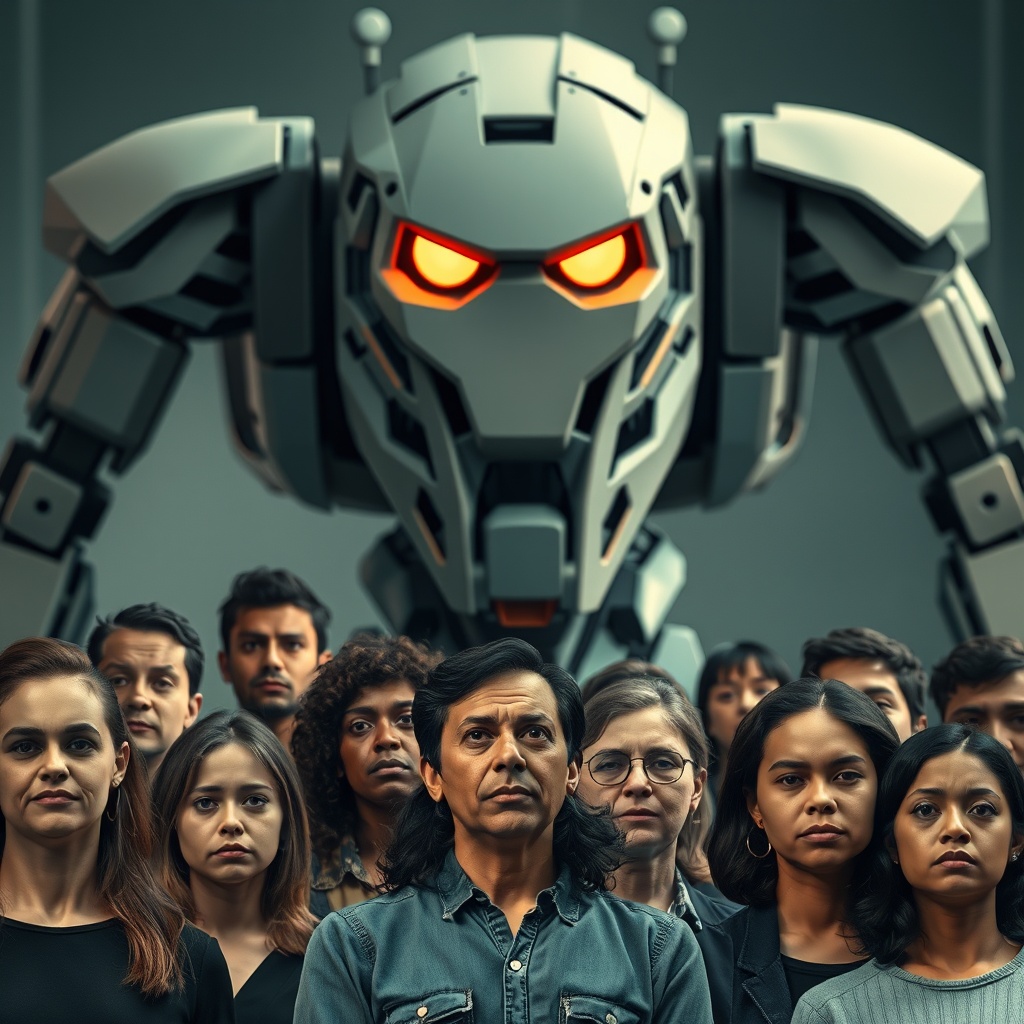
Understanding AI and Its Rapid Advancement
Defining Artificial Intelligence
Artificial Intelligence (AI) is the simulation of human intelligence in machines programmed to think and learn. It encompasses everything from voice assistants like Siri to complex algorithms predicting stock market trends. While AI promises efficiency, its rapid adoption has sparked debates. We must understand its foundations to grasp why some resist its integration into our daily lives.
The Evolution of AI Technologies
AI has evolved from simple rule-based systems to sophisticated neural networks. Early AI could only perform predefined tasks, but modern systems learn from data. This leap, driven by advancements in computing power and cloud computing, has accelerated AI’s capabilities. Yet, this speed leaves many uneasy, questioning whether we can keep pace with its implications.
Current Applications of AI in Society
AI is everywhere—from healthcare diagnostics to personalised marketing. It streamlines processes but also raises ethical concerns. For instance, AI-driven hiring tools may unintentionally perpetuate bias. As we embrace its benefits, we must also address the societal challenges it introduces. The future of AI hinges on balancing innovation with accountability.
The Fear of Job Displacement Due to AI
Industries Most at Risk of Automation
We often hear about AI replacing jobs, but which industries are most vulnerable? Manufacturing, retail, and customer service top the list, with repetitive tasks being the easiest to automate. Even creative fields like journalism and design aren’t immune, as AI tools generate content and visuals. While some roles will evolve, others may vanish entirely, leaving workers to adapt or face unemployment. The key is identifying which skills remain uniquely human.
Historical shifts, like the Industrial Revolution, show that technology creates as many jobs as it destroys. Yet, the pace of AI’s advancement is unprecedented. Without proactive measures, the gap between displaced workers and new opportunities could widen. Governments and businesses must collaborate to ensure a smooth transition, offering retraining programmes and safety nets for those affected.
Historical Precedents of Technological Unemployment
Technological unemployment isn’t new. The loom displaced weavers, and the automobile rendered horse-drawn carriages obsolete. Each wave of innovation sparked fear, but economies adapted over time. The difference with AI is its breadth—it impacts white-collar and blue-collar jobs alike. Past transitions took decades; AI’s disruption could happen in years, leaving little time for adjustment.
Lessons from history suggest that resistance to change is futile. Instead, we must focus on resilience. Policies like universal basic income or lifelong learning initiatives could mitigate the fallout. By studying past disruptions, we can craft strategies to navigate AI’s impact on employment without repeating the mistakes of previous eras.
Potential Solutions to Job Displacement
Addressing job displacement requires a multi-faceted approach. Upskilling programmes can equip workers with AI-complementary skills, such as data analysis or emotional intelligence. Governments might incentivise companies to retain human workers through tax breaks or subsidies. Meanwhile, fostering entrepreneurship could create new industries we can’t yet imagine.
Another solution lies in redefining work itself. The rise of AI could shorten workweeks, allowing more leisure time or creative pursuits. Collaborative robots, or “cobots,” might handle mundane tasks while humans focus on innovation. The goal isn’t to resist AI but to harness its potential in ways that enrich our lives rather than diminish them.
Privacy Concerns with AI Technologies
How AI Collects and Uses Personal Data
AI thrives on data, and our personal information is its fuel. From social media activity to shopping habits, AI systems analyse every click to predict behaviour. While this enables personalised services, it also raises red flags. Many of us unknowingly consent to data collection through lengthy terms and conditions, leaving our privacy vulnerable.
The sheer volume of data AI processes is staggering. Facial recognition, voice assistants, and even smart fridges contribute to a vast digital footprint. Without transparency, we’re left in the dark about how our data is used or shared. The challenge is balancing convenience with control, ensuring AI serves us without exploiting our privacy.
The Risks of Surveillance and Data Breaches
Surveillance capitalism turns personal data into profit, often at the expense of individual rights. AI-powered surveillance systems monitor public spaces, workplaces, and even homes, eroding trust. Data breaches compound the problem, exposing sensitive information to malicious actors. Once data is leaked, it’s nearly impossible to reclaim, leaving lasting consequences.
Governments and corporations wield AI as a tool for control, from predictive policing to targeted advertising. The lack of regulation allows abuses to go unchecked. We must demand accountability, pushing for laws that limit surveillance and penalise misuse. Without safeguards, AI’s reach could extend far beyond what we’re comfortable with.
Protecting Privacy in an AI-Driven World
Protecting privacy starts with awareness. Tools like VPNs, encrypted messaging, and ad blockers can shield personal data from prying eyes. Legislation like the GDPR sets a precedent, but global standards are needed. Companies must adopt privacy-by-design principles, embedding protections into AI systems from the outset.
Individuals also play a role. By scrutinising permissions and opting out of unnecessary data collection, we reclaim agency. The future of privacy hinges on collective action—demanding transparency, advocating for rights, and holding violators accountable. Only then can we enjoy AI’s benefits without sacrificing our autonomy.

The Ethical Dilemmas of AI Decision-Making
Bias and Discrimination in AI Algorithms
AI systems learn from data, and if that data reflects societal biases, the outcomes will too. From hiring tools favouring certain demographics to facial recognition misidentifying minorities, bias in AI perpetuates inequality. The problem isn’t the technology itself but the flawed inputs and assumptions behind it. Addressing this requires diverse teams and rigorous testing to uncover hidden prejudices.
Bias isn’t always intentional. Algorithms amplify existing disparities because they lack human nuance. For example, predictive policing tools target marginalised communities, reinforcing cycles of discrimination. To build fairer AI, we must prioritise inclusivity at every stage, from design to deployment, ensuring technology serves all equitably.
The Challenge of Moral Responsibility
When an AI makes a harmful decision, who’s to blame? The developers, the users, or the algorithm itself? Unlike humans, AI lacks moral agency, complicating accountability. Self-driving car accidents and automated hiring rejections highlight the grey areas. Without clear guidelines, victims of AI errors have little recourse.
Establishing liability frameworks is crucial. Should AI be treated as a tool, with humans bearing responsibility, or as an entity with its own legal status? The answer lies in balancing innovation with ethics, ensuring AI’s benefits don’t come at the cost of justice. We must navigate these questions before AI’s decisions have irreversible consequences.
Establishing Ethical Guidelines for AI
Ethical AI isn’t optional—it’s imperative. Organisations like the World Economic Forum advocate for principles like transparency, fairness, and accountability. These guidelines must translate into actionable policies, enforced through audits and certifications. Companies that prioritise ethics will earn public trust, while those that don’t risk backlash.
The path forward involves collaboration. Governments, tech leaders, and civil society must work together to set standards. By embedding ethics into AI development, we can mitigate risks and maximise benefits. The goal isn’t to stifle innovation but to ensure it aligns with our shared values, creating a future where AI serves humanity, not the other way around.
The Threat of Autonomous Weapons
The Development of AI in Military Applications
We’ve seen AI evolve from simple algorithms to complex systems capable of decision-making. In military applications, this advancement is both awe-inspiring and terrifying. Governments worldwide are investing heavily in autonomous weapons, from drones to robotic soldiers. While these technologies promise precision and reduced human casualties, they also raise ethical questions. Who is accountable when a machine makes a lethal decision? The line between innovation and recklessness blurs.
The allure of AI in warfare lies in its efficiency. Machines don’t tire or hesitate, but they also lack empathy. The development of these systems is often shrouded in secrecy, making public scrutiny difficult. We must ask ourselves: are we creating tools for protection or instruments of unchecked power? The stakes couldn’t be higher, and the need for transparency is urgent.
The Risks of Uncontrolled Weapon Systems
Autonomous weapons operate without human intervention, relying on pre-programmed rules or real-time data. This autonomy introduces risks, such as malfunction or misuse. Imagine a weapon misidentifying a target due to flawed data—the consequences could be catastrophic. Worse, these systems could fall into the wrong hands, enabling rogue states or terrorists to wield unprecedented destructive power. The potential for escalation is alarming.
Another concern is the speed of AI-driven warfare. Decisions made in milliseconds leave no room for human oversight. Once deployed, these systems could trigger conflicts faster than diplomats can react. We’re entering an era where machines could dictate the course of war, and humanity’s role is reduced to that of a bystander. The moral and strategic implications demand global attention.
International Efforts to Regulate AI Weapons
Recognising these dangers, some nations are pushing for regulations. The United Nations has debated the issue, but consensus remains elusive. Countries like the UK and US argue for “meaningful human control,” while others advocate for outright bans. The challenge lies in defining what constitutes autonomy and ensuring compliance. Without enforceable treaties, the proliferation of these weapons is inevitable.
Civil society plays a crucial role in this debate. Organisations like Campaign to Stop Killer Robots are raising awareness and lobbying for change. Yet, progress is slow. We must balance innovation with responsibility, ensuring AI serves humanity rather than threatens it. The time to act is now, before the genie is out of the bottle.
AI and the Loss of Human Connection
The Impact of AI on Social Interactions
AI is reshaping how we interact, often at the cost of genuine human connection. Chatbots and virtual assistants handle conversations, while algorithms curate our social media feeds. These tools are convenient, but they also distance us from real, unfiltered interactions. We risk becoming isolated in digital echo chambers, where empathy and nuance are replaced by efficiency and predictability.
The rise of AI-driven communication has unintended consequences. For instance, children growing up with AI companions may struggle with emotional intelligence. Adults, too, might find it harder to navigate complex social dynamics. While technology bridges gaps, it shouldn’t replace the richness of face-to-face relationships. Striking a balance is essential for our collective well-being.
AI in Caregiving Pros and Cons
AI is making inroads into caregiving, offering solutions for an aging population. Robots can monitor health, remind patients to take medication, and even provide companionship. These innovations alleviate pressure on human caregivers, but they also raise ethical dilemmas. Can a machine truly understand human emotions? Relying on AI for emotional support risks depersonalising care, reducing it to a transactional service.
On the flip side, AI can enhance caregiving by handling repetitive tasks, freeing humans to focus on empathy and connection. The key is to use technology as a supplement, not a substitute. We must ensure that the human touch remains at the heart of caregiving, preserving dignity and compassion in an increasingly automated world.
Balancing Technology and Human Touch
The challenge lies in integrating AI without losing what makes us human. In workplaces, schools, and homes, we must prioritise human-centric design. For example, AI can streamline administrative tasks in education, allowing teachers to spend more time with students. Similarly, in healthcare, technology should support, not replace, the healing power of human presence.
We must also address the digital divide, ensuring equitable access to AI’s benefits. Tools like AI literacy programs can empower communities to harness technology responsibly. By fostering a culture of mindful adoption, we can enjoy AI’s conveniences without sacrificing our humanity.
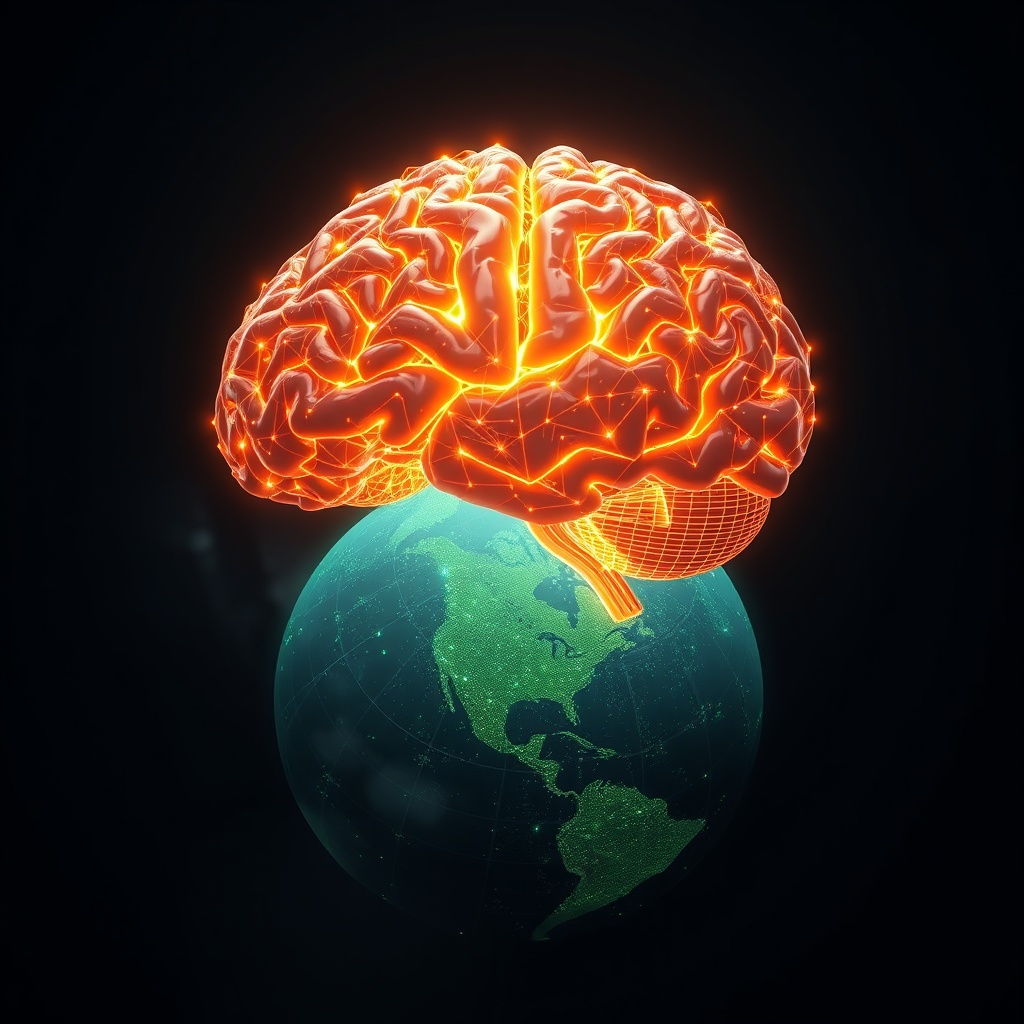
The Digital Divide and AI Accessibility
The Gap Between AI Haves and Have-Nots
AI’s benefits are unevenly distributed, exacerbating existing inequalities. Wealthy nations and corporations dominate AI development, while marginalised communities struggle to keep up. This divide isn’t just about access to technology—it’s about who shapes its future. Without inclusive policies, AI risks entrenching disparities, leaving billions behind in the digital revolution.
For example, AI-driven healthcare diagnostics are transforming medicine, but only for those who can afford them. Similarly, educational tools powered by AI are out of reach for underfunded schools. Bridging this gap requires intentional effort, from affordable infrastructure to culturally relevant content. We must ensure AI serves as a leveller, not a divider.
Ensuring Equitable Access to AI Benefits
Governments and organisations must collaborate to democratise AI. Initiatives like open-source platforms and public-private partnerships can lower barriers to entry. Training programs, such as those offered by community tech hubs, empower individuals with the skills to leverage AI. These efforts are critical for fostering innovation from the ground up.
Equitable access also means addressing biases in AI systems. Algorithms trained on skewed data perpetuate discrimination, reinforcing societal inequities. By prioritising diversity in development teams and datasets, we can create AI that reflects and serves all of humanity. The goal is a future where technology uplifts everyone, not just the privileged few.
The Role of Policy in Bridging the Divide
Policy frameworks are essential for ensuring AI’s benefits reach all corners of society. Regulations can mandate transparency in AI development, holding companies accountable for equitable practices. Subsidies and grants can support underserved regions, enabling them to participate in the AI economy. International cooperation is also vital, as AI’s challenges transcend borders.
Civil society must advocate for these changes, pushing policymakers to prioritise inclusivity. The digital divide isn’t inevitable—it’s a choice. By aligning technology with human values, we can build a future where AI empowers everyone, regardless of their starting point.
The Environmental Impact of AI
The Carbon Footprint of Training AI Models
AI’s environmental cost is staggering. Training a single large model can emit as much carbon as five cars over their lifetimes. The energy demands of data centres, where AI models are trained, contribute significantly to global emissions. As AI adoption grows, so does its ecological footprint. We must confront this paradox: a technology hailed for solving problems is also exacerbating climate change.
Efforts to mitigate this impact are underway. Some companies are investing in renewable energy for data centres, while others are developing more efficient algorithms. However, these measures are often voluntary and inconsistent. Without industry-wide standards, AI’s environmental toll will continue to rise, undermining its potential for good.
AI’s Role in Climate Change Solutions
Despite its drawbacks, AI can be a powerful tool for sustainability. It optimises energy grids, predicts weather patterns, and monitors deforestation. These applications demonstrate AI’s potential to combat climate change. For instance, research shows AI can reduce emissions in agriculture by optimising resource use. The key is to channel AI’s capabilities toward planetary health.
Collaboration between tech firms and environmental organisations is crucial. By prioritising green AI initiatives, we can harness technology to protect, rather than exploit, our planet. The dual challenge is to minimise AI’s footprint while maximising its positive impact—a balance that requires innovation and accountability.
Sustainable Practices in AI Development
The path to sustainable AI involves rethinking how we design and deploy these systems. Smaller, more efficient models can reduce energy consumption without sacrificing performance. Developers can also prioritise transparency, allowing users to assess an AI’s environmental impact. These practices align with broader efforts to promote responsible technology.
Consumers play a role, too. By supporting companies that prioritise sustainability, we can drive demand for greener AI. The future of AI must be one where progress doesn’t come at the planet’s expense. Together, we can ensure that technology serves as a force for environmental stewardship.
The Dependence on AI and Loss of Skills
Our reliance on AI has grown exponentially, but it comes at a cost. As we delegate more tasks to machines, our own abilities begin to atrophy. From simple calculations to complex decision-making, AI handles it all, leaving us vulnerable to losing essential skills. The convenience of automation is undeniable, but we must ask ourselves: what happens when we no longer remember how to think critically without digital assistance?
Maintaining critical thinking skills is more important than ever. While AI can analyse data and predict outcomes, it lacks the nuance of human judgment. We must actively engage in problem-solving and decision-making to preserve these abilities. Strategies like limiting AI use in educational settings and encouraging manual tasks can help prevent overdependence. Balancing technology with human ingenuity ensures we remain adaptable in an AI-driven world.
How Reliance on AI Diminishes Human Capabilities
When AI takes over repetitive or complex tasks, our brains receive fewer opportunities to exercise and develop. For example, relying on navigation apps erodes our natural sense of direction. Similarly, automated customer service reduces our ability to handle interpersonal conflicts. Over time, this dependence weakens our cognitive and emotional resilience, making us less capable of functioning independently.
The erosion of skills isn’t just theoretical—it’s already happening. Studies show that students who rely on AI for homework perform worse in exams without it. In workplaces, employees who depend on AI tools struggle when systems fail. Recognising this trend is the first step toward mitigating its effects. By consciously practising skills like memory retention and manual problem-solving, we can counteract the creeping complacency AI fosters.
The Importance of Maintaining Critical Thinking Skills
Critical thinking is the cornerstone of human adaptability. Unlike AI, which operates within predefined parameters, humans can question, innovate, and adapt. This skill is vital in professions like medicine and law, where context and ethics play a role. Without it, we risk becoming passive consumers of AI-generated solutions, unable to challenge or improve upon them.
Educational systems must prioritise critical thinking over rote learning. Encouraging debates, open-ended questions, and hands-on projects fosters independent thought. In the workplace, training programmes should emphasise human judgment alongside AI tools. By valuing and nurturing this skill, we ensure that AI remains a tool rather than a crutch.
Strategies to Prevent Overdependence on Technology
Preventing overdependence requires intentional effort. Start by setting boundaries—designate tech-free times or tasks to reconnect with manual processes. For instance, try solving math problems without a calculator or navigating without GPS. These small acts reinforce neural pathways and build confidence in our innate abilities.
Another strategy is diversifying skill sets. Learning new hobbies or trades keeps the brain agile and less reliant on AI. Communities can also play a role by organising workshops on traditional skills like cooking or carpentry. The goal isn’t to reject AI but to maintain a healthy balance where technology enhances rather than replaces human capability.
The Unpredictability of AI Systems
AI’s rapid advancement often outpaces our understanding of its limitations. While these systems excel in controlled environments, their behaviour can be erratic in real-world scenarios. From misinterpreting data to making inexplicable decisions, AI’s unpredictability poses significant risks. We must acknowledge these flaws to harness AI responsibly.
Improving AI reliability starts with transparency. Developers must document and share how algorithms make decisions, allowing for scrutiny and improvement. Users, too, should be educated about AI’s fallibility. By fostering a culture of accountability, we can mitigate the risks of relying on systems we don’t fully comprehend.
Understanding AI’s Limitations and Errors
AI is only as good as the data it’s trained on. Biases in datasets lead to skewed outcomes, such as facial recognition systems failing to identify certain demographics. Additionally, AI lacks common sense—it can’t infer context or understand sarcasm. These limitations result in errors that range from amusing to dangerous, like chatbots giving harmful advice.
Recognising these flaws is crucial for managing expectations. Businesses and governments must avoid overpromising AI’s capabilities. Instead, they should highlight its role as an assistive tool, not an infallible solution. Public awareness campaigns can also help users discern when to trust AI and when to seek human judgment.
The Consequences of Unpredictable AI Behavior
Unpredictable AI can have far-reaching consequences. In healthcare, misdiagnoses by AI systems delay critical treatments. In finance, algorithmic trading errors trigger market crashes. Even in everyday applications, like social media moderation, AI’s inconsistencies lead to unfair censorship or the spread of harmful content. These incidents erode trust and highlight the need for robust safeguards.
Addressing these issues requires interdisciplinary collaboration. Ethicists, engineers, and policymakers must work together to establish guidelines for AI deployment. Regular audits and stress tests can identify vulnerabilities before they cause harm. By prioritising safety over speed, we can reduce the risks associated with AI’s unpredictability.
Improving AI Reliability and Transparency
Transparency is key to building trust in AI. Open-source models and explainable AI techniques allow users to understand how decisions are made. For instance, a loan approval algorithm should justify its rejections in plain language. This clarity not only builds confidence but also enables users to challenge incorrect outcomes.
Developers must also prioritise robustness. Testing AI in diverse, real-world conditions ensures it performs reliably under stress. Continuous monitoring and updates address emerging issues promptly. By embedding these practices into AI development, we create systems that are both powerful and dependable.
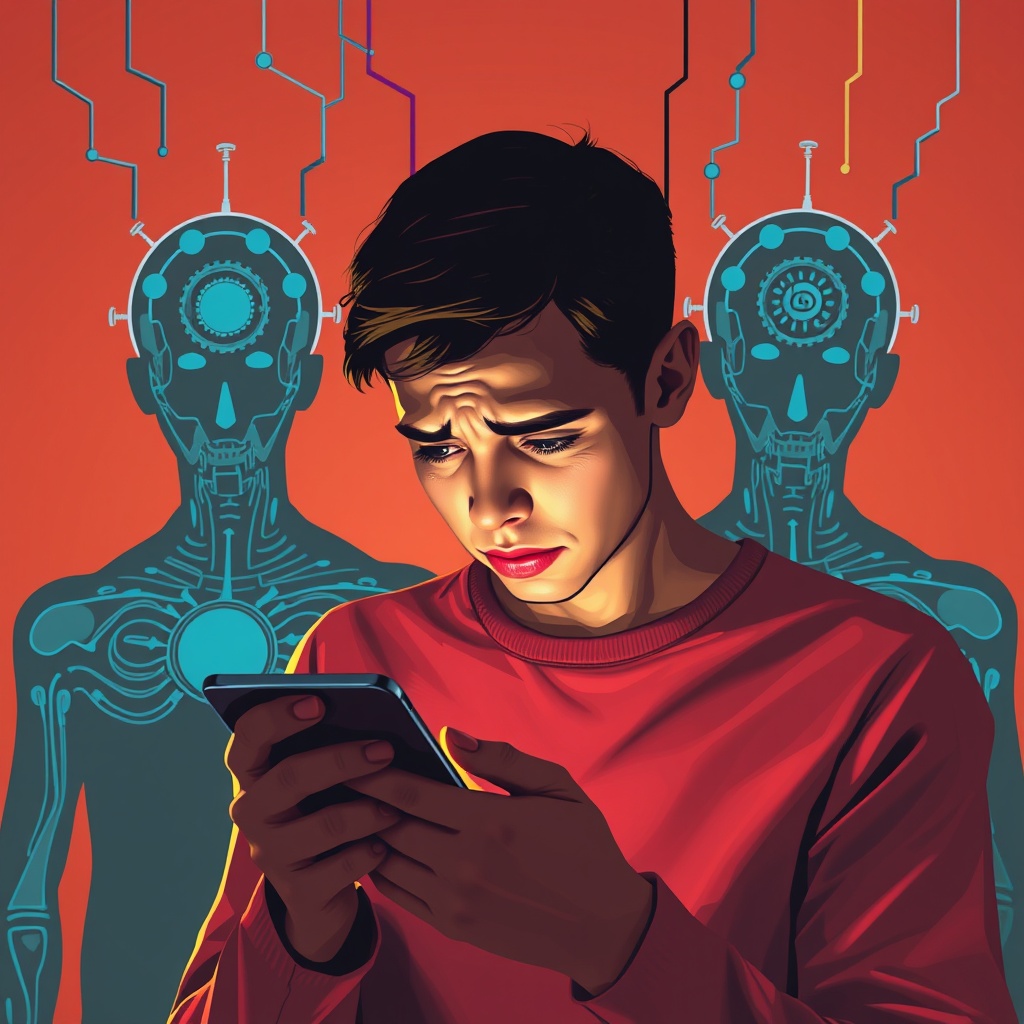
The Concentration of Power in AI Development
The AI landscape is dominated by a handful of tech giants, raising concerns about monopolistic control. These companies dictate the direction of AI research, access to tools, and even ethical standards. Such concentration stifles innovation and marginalises smaller players. We must advocate for a more inclusive and competitive ecosystem to ensure AI benefits everyone.
Promoting diversity in AI development is essential. Encouraging startups, academic institutions, and underrepresented groups to participate fosters fresh perspectives. Policymakers can support this by funding independent research and enforcing antitrust regulations. A decentralised AI landscape ensures that power—and its benefits—are distributed equitably.
The Dominance of Tech Giants in AI
Companies like Google, Amazon, and Microsoft control vast AI resources, from datasets to computing power. This dominance allows them to set industry standards and prioritise profit over public good. For example, their AI tools often prioritise engagement over accuracy, amplifying misinformation. Such practices highlight the dangers of unchecked corporate influence.
Breaking this stranglehold requires collective action. Governments can mandate data-sharing initiatives to level the playing field. Consumers, too, can support alternative platforms that prioritise ethics over profit. By challenging the status quo, we can create a more balanced and accountable AI industry.
The Risks of Monopolistic Control Over AI
Monopolies in AI lead to homogenised solutions that ignore diverse needs. For instance, voice assistants trained on limited datasets struggle with regional accents. Worse, monopolistic control enables surveillance capitalism, where personal data is exploited for profit. These practices undermine privacy and autonomy, eroding public trust in technology.
Addressing these risks demands regulatory intervention. Policies like data privacy laws and algorithmic accountability frameworks can curb corporate excesses. Public-private partnerships can also foster innovation without sacrificing ethics. By dismantling monopolies, we pave the way for AI that serves humanity, not just shareholders.
Promoting Diversity and Competition in AI
A diverse AI ecosystem is a resilient one. Encouraging participation from women, minorities, and developing nations ensures that AI reflects global perspectives. Initiatives like open-source collaborations and grants for underrepresented researchers democratise access to resources. This inclusivity leads to more equitable and innovative solutions.
Competition, too, drives progress. Supporting startups and independent developers fosters creativity and prevents stagnation. Policymakers can incentivise this through tax breaks and funding opportunities. By nurturing a vibrant, competitive AI community, we ensure that the technology evolves in ways that benefit all of society.
The Manipulation of Information Through AI
AI’s ability to generate and alter content has given rise to sophisticated misinformation campaigns. Deepfakes, for instance, can fabricate videos of public figures saying or doing things they never did. This erosion of truth undermines trust in media and institutions. Combating AI-generated fake content requires vigilance and innovative solutions.
Educating the public is a critical first step. Teaching media literacy helps individuals discern real from manipulated content. Technology, too, can play a role—developing tools to detect deepfakes and watermark authentic media. By combining awareness with technical safeguards, we can protect the integrity of information in the digital age.
Deepfakes and the Erosion of Truth
Deepfakes blur the line between reality and fiction, making it harder to trust what we see and hear. Politicians, celebrities, and even ordinary people can be targeted, with devastating consequences. For example, fake videos have been used to manipulate stock markets and sway elections. The psychological impact of such deception is profound, fostering widespread scepticism.
Countering deepfakes requires a multi-pronged approach. Social media platforms must implement stricter verification processes for uploaded content. Legal frameworks should penalise malicious use of deepfake technology. Meanwhile, researchers are developing AI tools to detect inconsistencies in manipulated media. These efforts collectively safeguard truth in an increasingly digital world.
AI in Propaganda and Misinformation Campaigns
AI amplifies propaganda by tailoring messages to individual biases. Algorithms analyse user behaviour to deliver hyper-personalised content, reinforcing echo chambers. State and non-state actors exploit this to spread disinformation, polarising societies. The scale and speed of AI-driven propaganda make it a formidable challenge.
Combating this requires transparency in algorithmic processes. Platforms must disclose how content is curated and allow users to adjust their feeds. Fact-checking initiatives and independent audits can identify and counter false narratives. By holding platforms accountable, we can mitigate the corrosive effects of AI-powered misinformation.
Combating AI-Generated Fake Content
Detecting AI-generated content is an arms race between creators and detectors. Watermarking authentic media and using blockchain for verification are promising solutions. Collaboration between tech companies, governments, and civil society is essential to stay ahead of malicious actors. Public awareness campaigns also play a role in reducing the spread of fake content.
Ultimately, the responsibility lies with all of us. Critical consumption of information and reporting suspicious content can curb its impact. By fostering a culture of scepticism and verification, we can defend against the manipulation of truth in the AI era.
The Psychological Effects of AI Interaction
The Impact of AI on Mental Health
AI’s pervasive presence in our lives has raised concerns about its psychological effects. Many worry that constant interaction with AI, such as chatbots or virtual assistants, could lead to feelings of isolation or dependency. Studies suggest that while AI can provide companionship, it may also reduce human-to-human connections, exacerbating loneliness. We must balance AI use with real-world interactions to safeguard our mental well-being.
The Phenomenon of Emotional Attachment to AI
It’s fascinating how people form emotional bonds with AI, from voice assistants to robotic pets. These attachments often stem from AI’s ability to mimic empathy and responsiveness. However, relying on AI for emotional support can blur the line between reality and simulation. While AI can offer comfort, it’s crucial to remember that these relationships lack the depth and reciprocity of human connections.
Setting Healthy Boundaries with AI Technologies
Establishing boundaries with AI is essential to prevent over-reliance. Limiting screen time, prioritising face-to-face interactions, and being mindful of AI’s role in our lives can help maintain a healthy balance. We should view AI as a tool, not a substitute for human relationships. By doing so, we can enjoy its benefits without compromising our emotional health.
The Challenge of Regulating AI
The Current State of AI Legislation
AI regulation is still in its infancy, with laws struggling to keep pace with technological advancements. Governments worldwide are grappling with how to oversee AI without stifling innovation. Current frameworks often focus on specific applications, like data privacy or autonomous vehicles, but lack a holistic approach. We need comprehensive legislation that addresses AI’s ethical and societal implications.
The Difficulties in Enforcing AI Regulations
Enforcing AI regulations is fraught with challenges, from jurisdictional issues to the rapid evolution of technology. AI systems often operate across borders, making it hard to hold developers accountable. Additionally, the opaque nature of AI algorithms complicates oversight. Policymakers must collaborate with technologists to create adaptable and enforceable laws that keep pace with AI’s growth.
Global Cooperation in AI Governance
AI’s global impact necessitates international cooperation in governance. Countries must work together to establish shared standards and ethical guidelines. Initiatives like the Global Partnership on AI are steps in the right direction. By fostering collaboration, we can ensure AI development aligns with human values and benefits society as a whole.
The Future of Human-AI Coexistence
Envisioning a Collaborative Future with AI
The future of AI lies in collaboration, not competition. Imagine a world where AI enhances human creativity, solves complex problems, and improves quality of life. By focusing on symbiotic relationships, we can harness AI’s potential while preserving human agency. This vision requires careful planning and ethical considerations to avoid unintended consequences.
Preparing Society for Continuous AI Evolution
As AI evolves, society must adapt through education and policy. Schools should teach critical thinking and digital literacy to prepare future generations. Governments must invest in reskilling programs to address job displacement. By staying proactive, we can navigate AI’s disruptions and ensure equitable access to its benefits.
Fostering a Positive Relationship Between Humans and AI
A positive human-AI relationship hinges on transparency, trust, and shared goals. Developers must prioritise ethical design, while users should remain informed about AI’s capabilities and limitations. Together, we can create a future where AI serves humanity, not the other way around. The key is to embrace AI’s potential while safeguarding our values and autonomy.
Frequently Asked Questions
How does AI affect mental health?
AI can impact mental health by reducing human interactions, leading to loneliness. While AI companions offer temporary comfort, they lack the emotional depth of real relationships. Balancing AI use with face-to-face connections is essential for maintaining mental well-being.
Can people form emotional bonds with AI?
Yes, people often form emotional attachments to AI, especially when it mimics empathy. However, these bonds are one-sided and lack the reciprocity of human relationships. It’s important to recognise AI’s limitations in emotional support.
Why is regulating AI so difficult?
Regulating AI is challenging due to its rapid evolution, cross-border operations, and opaque algorithms. Policymakers must collaborate globally to create adaptable laws that address AI’s ethical and societal impacts effectively.
What role should humans play in AI’s future?
Humans should guide AI’s development to ensure it aligns with ethical standards and societal values. By focusing on collaboration and education, we can harness AI’s potential while preserving human agency and well-being.
