
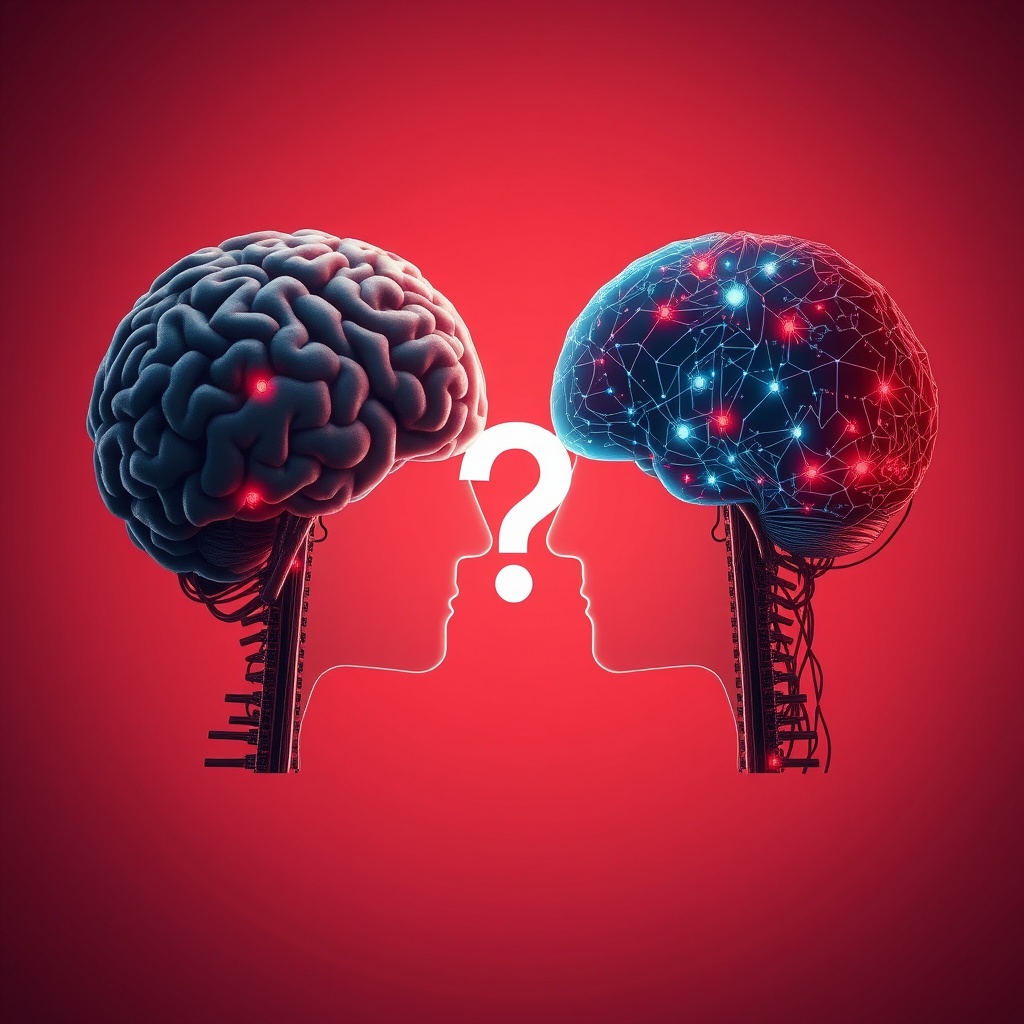
Understanding AI and Its Core Challenges
Artificial Intelligence (AI) has revolutionised industries, from healthcare to finance, yet its rapid advancement brings significant challenges. As we integrate AI deeper into our lives, we must address its ethical, technical, and societal implications. The biggest problem in AI isn’t just one issue—it’s a web of interconnected challenges that demand our attention and action.
Key Takeaways
- AI’s biggest challenges are ethical, technical, and societal, requiring holistic solutions.
- Bias in AI systems can perpetuate discrimination, demanding fairness-focused development.
- Data dependency raises concerns about quality, diversity, and privacy in AI applications.
- Transparency in AI models is critical for building trust and accountability.
- Collaboration across disciplines is essential to address AI’s multifaceted problems.
Defining Artificial Intelligence
AI refers to machines designed to mimic human intelligence, learning from data to perform tasks autonomously. While this capability is transformative, it also raises questions about control and accountability. For instance, who is responsible when an AI system makes a mistake? Understanding AI’s foundational principles is the first step in tackling its complexities.
The Spectrum of AI Capabilities
AI ranges from narrow systems, like chatbots, to general AI, which could outperform humans in diverse tasks. Narrow AI is already ubiquitous, but achieving general AI remains elusive. The gap between these capabilities highlights the limitations of current technologies and the need for breakthroughs in AI research.
Identifying Core Challenges in AI
Bias in AI systems, data dependency, and transparency issues are among the most pressing challenges. For example, biased algorithms can perpetuate discrimination, while opaque “black box” models hinder trust. Addressing these problems requires interdisciplinary collaboration and robust frameworks. As we explore these challenges, we must also consider their broader societal impact.
As we navigate the complexities of AI, it’s clear that the path forward involves not just technological innovation but also ethical reflection. For more insights on AI’s evolving landscape, explore our blog.
The Ethical Dilemmas in AI
Bias and Fairness in AI Systems
One of the most pressing issues in AI is the inherent bias within its systems. We often assume AI is neutral, but it reflects the biases present in its training data. For instance, facial recognition systems have shown higher error rates for women and people of colour. Addressing this requires diverse datasets and rigorous testing to ensure fairness. Without these measures, AI risks perpetuating societal inequalities.
Bias isn’t just a technical challenge; it’s an ethical one. We must ask who benefits from AI and who is left behind. Transparency in algorithmic decision-making is crucial, as is accountability for biased outcomes. By prioritising fairness, we can build AI that serves everyone equitably. This is a responsibility we cannot afford to ignore.
Privacy Concerns with AI Technologies
AI’s ability to process vast amounts of data raises significant privacy concerns. From voice assistants to predictive policing, our personal information is constantly being analysed. While this can improve services, it also risks misuse. We must balance innovation with the right to privacy, ensuring data is handled responsibly and ethically.
Legislation like GDPR is a step forward, but it’s not enough. We need robust frameworks that keep pace with AI advancements. Transparency about data collection and usage is essential, as is giving individuals control over their information. Without these safeguards, trust in AI will erode, hindering its potential to benefit society.
The Problem of Data Dependency
The Need for Large Datasets
AI’s performance hinges on the quality and quantity of data it’s trained on. Large datasets enable models to recognise patterns and make accurate predictions. However, acquiring such data is often expensive and time-consuming. Smaller organisations may struggle to compete, creating a divide between those with resources and those without.
This dependency also raises questions about data ownership. Who controls the datasets that power AI? We must ensure access is equitable and that data isn’t monopolised by a few entities. Open-source initiatives and collaborative efforts can help level the playing field, fostering innovation across the board.
Issues with Data Quality and Diversity
Not all data is created equal. Poor-quality or unrepresentative datasets can lead to flawed AI models. For example, a healthcare AI trained on data from one demographic may fail others. Diversity in data is critical to avoid such pitfalls, but achieving it requires deliberate effort and investment.
We also face the challenge of outdated data. AI models trained on historical data may reinforce outdated norms or biases. Continuous updates and audits are necessary to maintain relevance and fairness. By prioritising data quality and diversity, we can build AI that works for everyone.

AI and the Job Market Disruption
Automation vs Employment
AI’s ability to automate tasks is transforming the job market. While it boosts efficiency, it also displaces workers in sectors like manufacturing and customer service. We must acknowledge this disruption and prepare for its impact. Reskilling programmes and education reforms are essential to help workers adapt to an AI-driven economy.
Automation isn’t inherently bad—it can eliminate mundane tasks, allowing humans to focus on creative and strategic work. However, the transition must be managed carefully. Policymakers, businesses, and educators must collaborate to ensure no one is left behind. The goal should be a future where AI complements human labour, not replaces it.
Reskilling for an AI-Driven Economy
The rise of AI demands a workforce with new skills. Traditional roles are evolving, and lifelong learning is becoming the norm. We must invest in education systems that emphasise adaptability and digital literacy. Online courses and vocational training can bridge the gap, but they must be accessible to all.
Employers also have a role to play. By offering reskilling opportunities, they can retain talent and foster innovation. Governments can incentivise such initiatives through subsidies and partnerships. Together, we can build an economy where humans and AI thrive side by side.
The Challenge of AI Transparency
Understanding Black Box AI Models
One of the most pressing issues in AI today is the opacity of black box models. These systems, often built on complex neural networks, make decisions without revealing their reasoning. I find this troubling because it undermines trust in AI applications, especially in critical areas like healthcare and finance. Without transparency, we cannot fully understand or challenge the outcomes, leaving users in the dark about how decisions affecting their lives are made.
The lack of interpretability also poses ethical dilemmas. If an AI system denies a loan or a medical diagnosis, how can we ensure fairness without insight into its logic? We need to push for models that balance performance with explainability, ensuring accountability and fostering trust. This is not just a technical challenge but a societal imperative, as AI becomes more embedded in our daily lives.
The Importance of Explainable AI
Explainable AI (XAI) is emerging as a solution to the black box problem. By designing systems that provide clear, understandable reasoning for their decisions, we can bridge the gap between complexity and usability. I believe this is crucial for sectors like law and medicine, where transparency is non-negotiable. XAI not only enhances trust but also allows for better debugging and improvement of models.
However, achieving explainability without sacrificing performance is no small feat. We must invest in research and development to create tools that demystify AI processes. This includes visualisations, simplified decision trees, and natural language explanations. The goal is to make AI accessible to everyone, not just data scientists, ensuring its benefits are widely understood and fairly distributed.
Security Risks in AI Systems
Vulnerabilities to Cyber Attacks
AI systems are increasingly targeted by cybercriminals, exploiting vulnerabilities in their design and deployment. I’ve observed how adversarial attacks can manipulate inputs to deceive models, leading to incorrect outcomes. For instance, slight alterations to an image can fool an AI into misclassifying it, posing risks in security and surveillance applications. These vulnerabilities highlight the need for robust defences to protect AI integrity.
The stakes are high in sectors like autonomous vehicles and financial systems, where breaches could have catastrophic consequences. We must prioritise security in AI development, incorporating measures like anomaly detection and encryption. Proactive testing and regular updates are essential to stay ahead of threats, ensuring AI systems remain reliable and secure in an ever-evolving digital landscape.
Ensuring Robust AI Security Measures
Building secure AI requires a multi-layered approach. From the outset, we must integrate security protocols into the development lifecycle, rather than treating them as an afterthought. I advocate for frameworks that include threat modelling and penetration testing, identifying weaknesses before they can be exploited. Collaboration between cybersecurity experts and AI developers is key to creating resilient systems.
Moreover, transparency in security practices can build public confidence. By openly addressing risks and mitigation strategies, we can foster a culture of accountability. This includes educating users about potential threats and how to safeguard their data. As AI continues to advance, so too must our commitment to protecting it from malicious actors.
The Environmental Impact of AI
Energy Consumption of AI Models
The environmental cost of AI is often overlooked, yet it’s a growing concern. Training large models like GPT-3 consumes vast amounts of energy, contributing to carbon emissions. I find this alarming, especially as demand for AI solutions escalates. The energy-intensive nature of these systems raises questions about sustainability, particularly when renewable resources are not prioritised.
We must explore ways to reduce the carbon footprint of AI, such as optimising algorithms and leveraging energy-efficient hardware. Innovations like sparse models and federated learning can minimise energy use without compromising performance. Addressing this issue is not just about technology but also about aligning AI development with global environmental goals.
Sustainable AI Development Practices
Sustainability should be a cornerstone of AI innovation. I believe we can achieve this by adopting greener practices, such as using data centres powered by renewable energy. Additionally, lifecycle assessments can help quantify the environmental impact of AI projects, guiding more responsible decisions. Collaboration across industries is vital to share best practices and drive systemic change.
Regulators and organisations must also play a role, setting standards for sustainable AI. By incentivising eco-friendly approaches, we can ensure that AI’s benefits do not come at the expense of the planet. This balance is critical as we strive for technological progress that respects ecological boundaries.

The Limitations of Current AI Technologies
Understanding AI’s Current Boundaries
Despite its advancements, AI still has significant limitations. Current systems excel in narrow tasks but struggle with general intelligence. I’ve seen how AI can outperform humans in specific domains, like image recognition, yet falter in understanding context or nuance. This gap underscores the need for realistic expectations about what AI can and cannot do.
Another limitation is the reliance on vast datasets, which can introduce biases and inaccuracies. We must recognise these constraints to avoid overestimating AI’s capabilities. By acknowledging its boundaries, we can focus on improving areas where AI truly adds value, ensuring it complements rather than replaces human expertise.
The Gap Between AI and Human Intelligence
The disparity between AI and human cognition remains vast. While AI can process information at unprecedented speeds, it lacks the creativity, empathy, and intuition that define human intelligence. I find this distinction crucial, especially in fields like education and healthcare, where human touch is irreplaceable. AI should augment, not replicate, human abilities.
Bridging this gap requires interdisciplinary research, combining insights from neuroscience, psychology, and computer science. We must also address ethical questions about AI’s role in society, ensuring it serves humanity’s best interests. The future of AI lies not in mimicking humans but in enhancing our collective potential.
The Global AI Race and Its Implications
National Security and AI Dominance
The global race for AI supremacy is no longer just about technological advancement—it’s a matter of national security. Countries investing heavily in AI research and development aim to secure economic and military dominance. However, this competition risks creating geopolitical tensions, as nations vie for control over critical AI infrastructure. We must ask ourselves: at what cost does this race come, and who ultimately benefits from such dominance?
AI’s potential to revolutionise defence systems and intelligence gathering is undeniable. Yet, the lack of international collaboration in this space could lead to an unstable arms race. The stakes are high, and the need for ethical frameworks to guide this competition is urgent. Without them, we risk exacerbating global inequalities and fostering distrust among nations.
The Risk of an AI Arms Race
An AI arms race is no longer a dystopian fantasy—it’s a looming reality. The militarisation of AI technologies, from autonomous drones to cyber warfare tools, raises alarming ethical questions. The speed at which these technologies evolve outstrips our ability to regulate them, leaving us vulnerable to unintended consequences. We must confront the possibility of AI systems making life-and-death decisions without human oversight.
The proliferation of AI in warfare also threatens to destabilise global security. Unlike traditional arms races, AI-driven conflicts could escalate unpredictably, with algorithms reacting faster than human diplomacy. The challenge lies in balancing innovation with restraint, ensuring that AI serves humanity rather than endangering it. The future of AI hinges on our ability to navigate these treacherous waters.
AI Governance and Regulation Challenges
The Need for Global AI Standards
AI’s borderless nature demands global cooperation in governance. Without unified standards, we risk fragmented regulations that hinder innovation while failing to address critical risks. The EU’s AI Act and similar initiatives are steps in the right direction, but they lack the universality needed to tackle AI’s global impact. We must prioritise cross-border collaboration to create frameworks that balance innovation with accountability.
The absence of global standards also exacerbates ethical dilemmas, such as bias and privacy violations. Companies operating in multiple jurisdictions face conflicting requirements, complicating compliance efforts. A harmonised approach would not only streamline regulation but also foster trust in AI technologies. Understanding AI basics is the first step toward meaningful dialogue on these issues.
Balancing Innovation and Regulation
Striking the right balance between innovation and regulation is a delicate act. Overregulation could stifle creativity, while underregulation risks unleashing harmful AI applications. Policymakers must engage with technologists, ethicists, and civil society to craft agile frameworks that adapt to AI’s rapid evolution. The goal is to foster innovation while safeguarding public interest.
This balance is particularly critical in sectors like healthcare and finance, where AI’s impact is profound. Regulatory sandboxes, which allow controlled testing of AI solutions, offer a promising middle ground. By encouraging experimentation within ethical boundaries, we can harness AI’s potential without compromising safety. AI’s double-edged nature underscores the urgency of this approach.
The Societal Impact of AI Misinformation
Deepfakes and the Erosion of Trust
Deepfakes represent one of AI’s most insidious threats to society. These hyper-realistic forgeries can manipulate public opinion, undermine elections, and destroy reputations. The ease with which they can be created and disseminated makes them a potent tool for disinformation. We are witnessing the erosion of trust in media, institutions, and even personal interactions, all fueled by AI-driven deception.
Combating deepfakes requires a multi-pronged approach, from technological solutions like detection algorithms to public education campaigns. Legal frameworks must also evolve to hold creators and distributors accountable. Without swift action, we risk a future where truth is indistinguishable from fiction, destabilising democracies and social cohesion.
Combating AI-Generated Misinformation
AI-generated misinformation extends beyond deepfakes, encompassing everything from fake news bots to manipulated datasets. The sheer volume and sophistication of this content overwhelm traditional fact-checking mechanisms. We must invest in AI tools that can detect and counter misinformation in real time, while also promoting media literacy to empower individuals.
Collaboration between tech companies, governments, and civil society is essential to address this challenge. Transparency in AI-generated content, such as watermarking or labelling, can help users discern authenticity. The fight against misinformation is not just technological—it’s a battle for the integrity of our information ecosystem. Understanding AI’s capabilities is crucial in this context.

The Challenge of AI in Healthcare
Ethical Use of AI in Patient Care
AI’s integration into healthcare promises transformative benefits, from personalised treatment plans to early disease detection. Yet, ethical concerns loom large. Who is accountable when an AI system misdiagnoses a patient? How do we ensure that AI-driven decisions prioritise patient welfare over cost savings? These questions demand clear ethical guidelines and robust oversight mechanisms to prevent harm.
Transparency in AI algorithms is critical to building trust among healthcare professionals and patients. Clinicians must understand how AI arrives at its recommendations to make informed decisions. Equally important is addressing biases in training data, which could perpetuate disparities in care. The ethical use of AI in healthcare hinges on balancing innovation with unwavering commitment to patient rights.
Ensuring Accuracy and Reliability in AI Diagnostics
AI’s potential to revolutionise diagnostics is undeniable, but its reliability remains a concern. False positives or negatives could have life-altering consequences, making rigorous validation essential. We must ensure that AI models are trained on diverse datasets to account for variations in patient populations. Continuous monitoring and updates are also necessary to maintain accuracy as medical knowledge evolves.
The integration of AI into clinical workflows must be seamless, augmenting rather than replacing human expertise. Collaboration between AI developers and healthcare providers is key to achieving this. By prioritising accuracy and reliability, we can unlock AI’s full potential in improving patient outcomes. This study highlights the importance of rigorous testing in AI diagnostics.
The Future of AI and Human Collaboration
Enhancing Human Capabilities with AI
AI is not here to replace us but to augment our abilities. From healthcare to creative industries, AI tools are empowering professionals to achieve more. Imagine doctors using AI to diagnose diseases faster or artists leveraging generative models to explore new creative frontiers. The synergy between human intuition and AI’s computational power is unlocking unprecedented possibilities, making collaboration the cornerstone of progress.
Yet, this partnership requires careful navigation. We must ensure AI systems align with human values and goals. For instance, ethical AI frameworks are essential to prevent misuse. By focusing on augmentation rather than replacement, we can harness AI’s potential to elevate human potential across every sector, fostering a future where technology and humanity thrive together.
The Role of AI in Solving Global Challenges
AI’s ability to process vast datasets makes it a powerful ally in tackling global issues like climate change and poverty. Predictive models can optimise energy use, while AI-driven agriculture tools help combat food insecurity. These applications highlight how AI can address systemic problems, provided we prioritise inclusivity and accessibility to ensure benefits reach all communities, not just the privileged few.
However, scaling these solutions demands collaboration. Governments, businesses, and researchers must work together to integrate AI into policy and infrastructure. For example, AI education initiatives can equip societies with the skills needed to leverage these tools. By aligning AI development with humanitarian goals, we can turn technological advancements into tangible societal gains.
Addressing the AI Talent Shortage
The Growing Demand for AI Skills
The AI boom has created a surge in demand for skilled professionals, from data scientists to ethicists. Industries worldwide are scrambling to fill roles, yet the talent pipeline struggles to keep pace. This gap threatens to slow innovation and widen inequalities, as organisations with resources outcompete smaller players for limited expertise. Addressing this requires a multifaceted approach, starting with education reform.
Schools and universities must integrate AI literacy into curricula, preparing students for an AI-driven job market. Simultaneously, upskilling programmes can help current workers transition into AI roles. By democratising access to AI education, we can build a diverse workforce capable of driving inclusive technological progress.
Strategies for Building AI Expertise
To bridge the talent gap, we must rethink how we cultivate expertise. Public-private partnerships can fund scholarships and research grants, making AI careers accessible to underrepresented groups. Online platforms like MOOCs offer scalable learning opportunities, while mentorship programmes connect novices with industry leaders. These efforts must prioritise diversity to ensure AI development reflects the needs of all communities.
Beyond technical skills, fostering interdisciplinary collaboration is key. AI’s societal impact demands input from ethicists, policymakers, and creatives. By broadening the definition of AI expertise, we can create a holistic talent ecosystem capable of navigating the complexities of this transformative technology.
The Philosophical Questions AI Raises
AI and the Concept of Consciousness
As AI systems grow more sophisticated, they challenge our understanding of consciousness. Can a machine truly “think or is it merely simulating intelligence? These questions blur the line between human and artificial cognition, prompting debates about rights and personhood. While current AI lacks subjective experience, its rapid evolution forces us to confront ethical dilemmas about autonomy and accountability.
Philosophers and technologists must collaborate to explore these boundaries. For instance, defining AI consciousness could inform regulations around its use. Until then, we must remain vigilant, ensuring AI serves humanity without eroding the values that define us.
The Future of AI and Human Identity
AI’s integration into daily life reshapes how we perceive ourselves. From virtual assistants to brain-computer interfaces, technology is becoming an extension of human identity. This raises profound questions: What does it mean to be human in an age of artificial augmentation? How do we preserve individuality in a world where AI influences our decisions and interactions?
Navigating this requires a balance between innovation and introspection. By fostering open dialogue, we can ensure AI enhances rather than diminishes our humanity. The future of AI is not just about technological advancement but about redefining what it means to be human in a digital age.
Frequently Asked Questions
How can AI enhance human creativity?
AI tools like generative models and design assistants amplify creativity by offering new perspectives and automating repetitive tasks. Artists and writers use AI to brainstorm ideas or refine drafts, freeing time for innovation. However, the human touch remains irreplaceable, ensuring creativity retains its emotional depth and cultural relevance.
What role does ethics play in AI development?
Ethics ensures AI aligns with human values, preventing harm from bias or misuse. Frameworks like fairness, transparency, and accountability guide responsible innovation. Without ethical oversight, AI risks exacerbating inequalities or eroding trust, undermining its potential to benefit society.
Can AI solve climate change?
AI can optimise energy use, predict environmental trends, and develop sustainable solutions. However, it’s not a silver bullet. Effective climate action requires policy, education, and global cooperation alongside AI tools. Technology alone cannot replace the need for systemic change and human commitment.
How do we prepare for an AI-driven job market?
Upskilling in AI literacy and adaptability is crucial. Schools should integrate STEM and ethics into curricula, while businesses offer training programmes. Embracing lifelong learning ensures workers remain competitive in a landscape where AI transforms industries and creates new opportunities.
