

Freelancing as a web designer offers flexibility and creative freedom, but managing time effectively is crucial. Balancing multiple projects while avoiding distractions can be challenging. The secret to successful freelance work lies in mastering time management skills that enhance productivity without overwhelming oneself.
- Key Takeaways
- Understanding Time Management in Freelance Web Design
- Setting Up Your Freelance Schedule
- Strategic Planning for Your Design Work
- Optimising the Design Process
- Leveraging Productivity and Project Management Tools
- Financial Management for Freelancers
- Maintaining Work-Life Balance
- Effective Communication and Meeting Strategies
- Tackling Procrastination and Distractions
- Tracking and Assessing Your Time Effectively
- Frequently Asked Questions
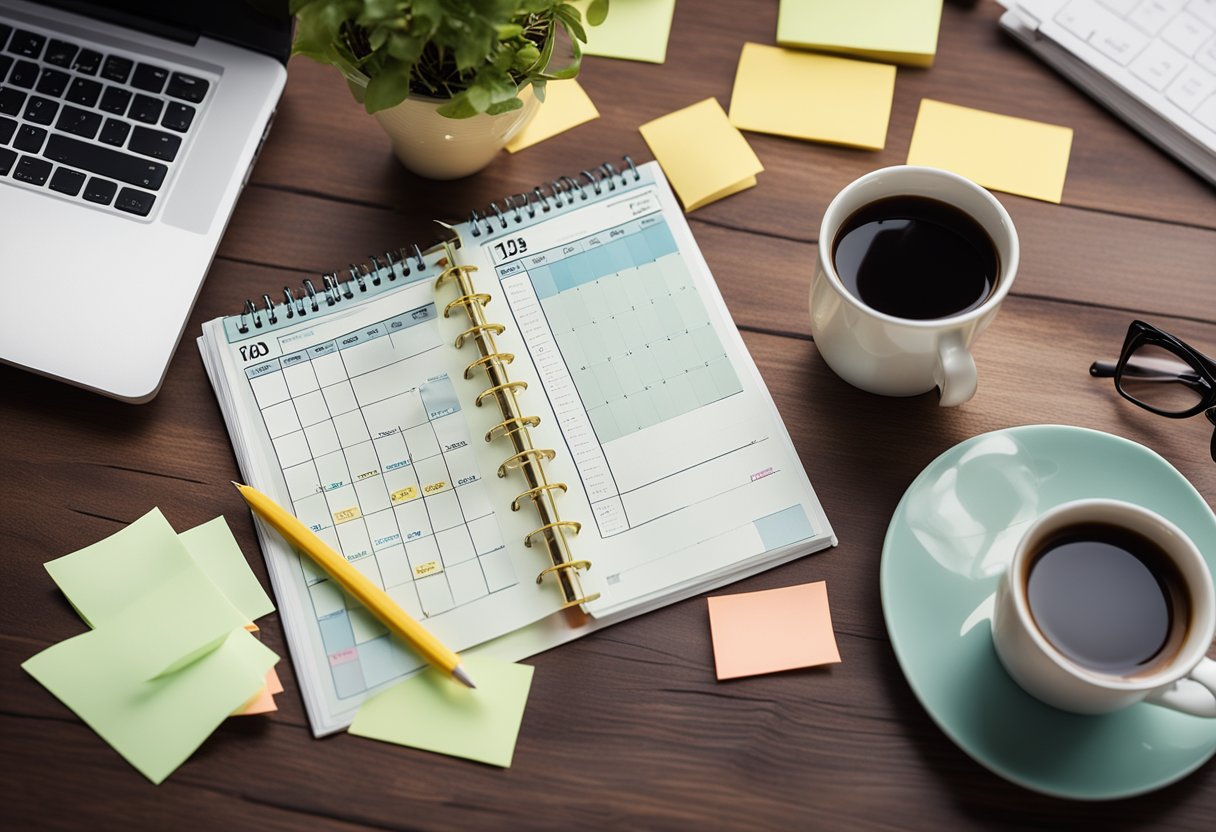
My personal experience has taught me the importance of setting clear goals and priorities. This approach provides structure, helping me stay focused and complete tasks efficiently. Embracing strategic planning, I manage my workload better, ensuring timely project delivery.
By choosing the right tools and techniques, I maximise my productivity while maintaining a healthy work-life balance. Experimenting with different methods can help find what works best for you. Adopting effective time management strategies can transform your freelance journey into a more rewarding experience.

Sign up now
No hassle, no spam—just a newsletter covering all things tech!
Key Takeaways
- Master your time with clear goals.
- Employ productivity tools for efficiency.
- Balance your work and personal life.
Understanding Time Management in Freelance Web Design
Time management is crucial for freelance web designers to ensure projects are completed efficiently and deadlines are met. It involves defining what effective time management means specifically for freelancers and recognising its importance in managing design projects successfully.
Defining Time Management for Freelancers
Time management involves organising and planning how much time is spent on various activities. For freelancers like me, it starts with setting clear goals and making task lists that prioritise work. Without a boss to guide my day, I have to be disciplined in allocating time for client projects.
I often face distractions and time-wasters, so being mindful of these and minimising them is important. Using techniques like the Pomodoro Technique, where I work in focused intervals, can help maintain productivity. Resources available online suggest eliminating distractions to stay on track. Effective time management involves respecting the value of my time, which is critical as it’s directly linked to my income potential.
The Importance of Time Management in Design Projects
Good time management ensures that I meet client expectations and deliver projects without unnecessary stress. As a designer, I need to balance creativity with deadlines, which requires efficient use of my work hours. When I manage my time well, I’m able to focus more on the creative flow, producing better designs.
Time tracking tools can help, allowing me to see where my time goes and adjust my habits accordingly. More insight can be found in articles about time tracking for designers. Time management in design projects isn’t just about being quicker; it’s about maintaining quality while meeting timelines. This capability is attractive to clients and can lead to more work opportunities.
Setting Up Your Freelance Schedule
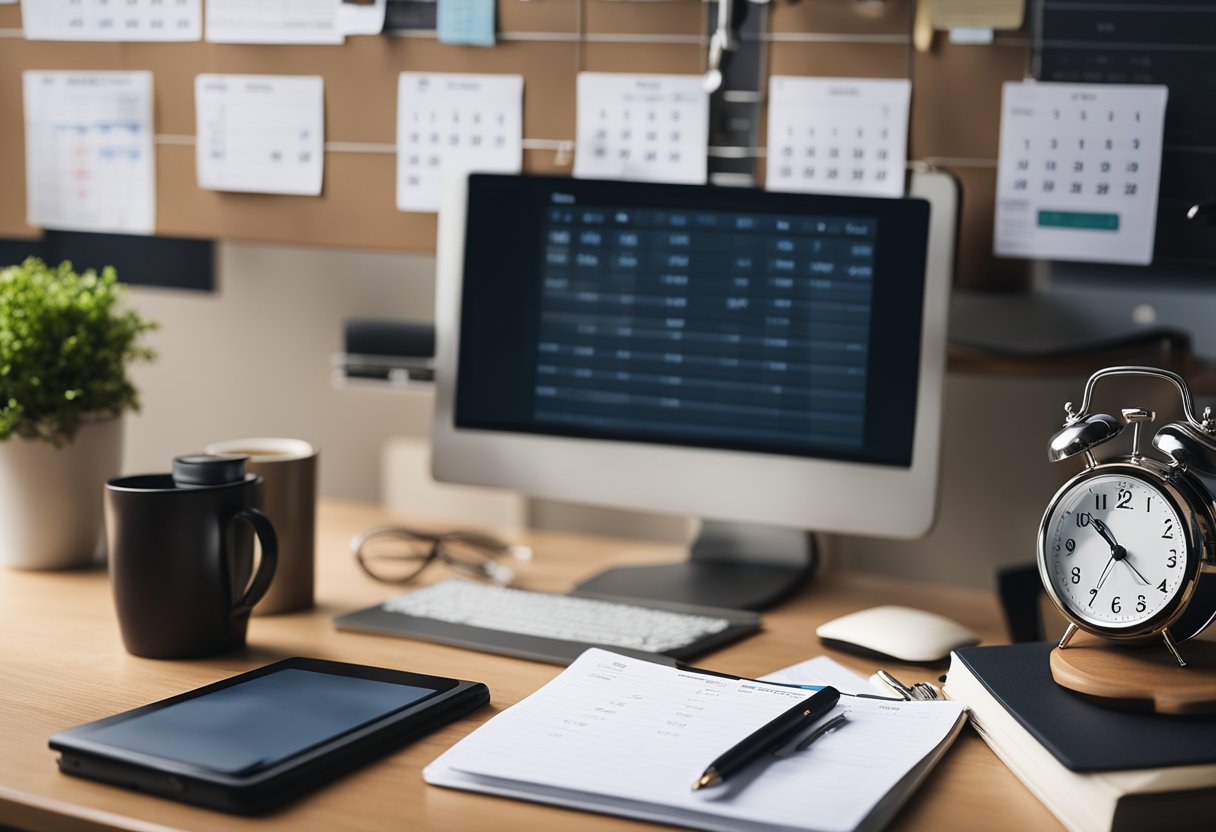
When setting up my freelance schedule, it’s crucial to decide my working hours for maximum productivity and to find a balance between projects and personal time. These factors determine how effectively I manage my workload and maintain a healthy work-life balance.
Working Hours for Maximum Productivity
To ensure I am most productive, I establish clear working hours. This means setting specific start and end times for my day. I choose hours when I feel most energetic and focused. For many, this might be the morning, but others may prefer working in the afternoon or evening. Keeping consistent hours helps train my mind and body to function well within those times.
I also make sure to take regular breaks to prevent burnout. I use tools like timers to remind me to pause and refresh my mind. This approach increases my efficiency and helps me stay on track with my tasks. Additionally, I mute notifications outside these hours to avoid distractions. This separation ensures I remain focused during work time, providing a productive working environment.
Balancing Projects with Personal Time
Balancing my projects with personal time is vital for a healthy work-life balance. I start by listing all my tasks and determining which ones are priorities. This helps in allocating the right amount of time for each project. I also block out specific times for personal activities to ensure I’m not always working.
Flexibility is key, so I adjust my schedule as needed, considering both project deadlines and personal commitments. By doing this, I make sure I don’t overcommit or neglect important aspects of my life. Using calendar apps can help me track both work and personal appointments. This method helps keep my life organised and ensures I have time for myself.
Strategic Planning for Your Design Work
In my experience, successful freelance web designers place a strong focus on planning. It’s crucial to set clear, achievable goals and establish deadlines, while also prioritising tasks to ensure success.
Establishing Clear Goals and Realistic Deadlines
Setting clear goals gives me direction and purpose in my work. I start by identifying key objectives and breaking them down into smaller, manageable tasks. This approach helps in creating a structured plan. I make sure each goal is specific and measurable, allowing me to track my progress effectively.
Realistic deadlines are essential. They ensure that I have adequate time to complete tasks without unnecessary stress. I assess the complexity of the project and estimate the time required to accomplish each goal. It’s important to account for potential setbacks, ensuring the timeline remains flexible. This way, I can adapt to changes without compromising the quality of my work.
Prioritising Tasks and Deadlines
Once my goals and deadlines are clear, prioritising tasks becomes important. I start by listing all necessary tasks and determining their urgency and importance. This helps in creating a hierarchy of tasks, making it easier to focus on what’s essential.
Using tools like a time tracker or a task management app allows me to allocate my time efficiently. I can also group similar tasks together for improved productivity. By evaluating deadlines alongside task importance, I can adjust my strategy, ensuring urgent and important tasks are completed first. This approach maintains momentum in my design process and contributes to consistent progress.
Optimising the Design Process
When working as a freelance web designer, improving productivity is crucial. I focus on clear communication with clients and using efficient design tools to save time and energy. By streamlining processes, it’s possible to take on more projects and meet deadlines with ease.
Streamlining Communication with Clients
Effective communication is key to a smooth design process. I always initiate projects with a detailed brief to understand the client’s needs and expectations. Regular updates keep both parties aligned, reducing misunderstandings and revisions.
Using tools like Slack or Trello helps track conversations and project milestones. I avoid long email threads by using these platforms, making updates more accessible. Project timelines and feedback loops are structured clearly, ensuring everyone stays on the same page. It’s important to not only set clear goals but also maintain open lines of communication to avoid unnecessary delays.
Efficient Design Tools and Techniques
Choosing the right design tools makes a huge difference in how quickly I can complete projects. I rely on tools like Adobe XD and Figma for prototyping and collaboration. These platforms make it simple to create and share designs with clients.
Automation tools like Zapier and IFTTT enhance productivity. Setting up automated workflows reduces repetitive tasks like file organisation. This allows me to focus more on the creative aspects of the job. Leveraging design libraries and reusable components also speeds up the process, making it easier to maintain consistency across projects.
By honing these techniques, I can deliver high-quality designs more efficiently, meeting client expectations every time.
Leveraging Productivity and Project Management Tools
As a freelance web designer, effectively managing my time and projects is essential. In this section, I’ll discuss some powerful tools that can help me optimize both my productivity and project management.
Utilising Time-Management Tools
Time-management tools are crucial for keeping my workflow efficient. These tools help me track how much time I spend on each task and identify areas where I can improve. I find Toggl incredibly useful for tracking hours spent on various projects. It gives me insights into my work habits, allowing for better planning and allocation of time.
To keep my schedule organised, I rely on Google Calendar. It helps me set deadlines and reminders so that I never miss important meetings or tasks. By integrating time-management tools into my routine, I’m able to maintain a balance between work commitments and personal time.
Implementing Project Management Apps
Efficient project management is just as important as time management. Using apps like Trello and Asana, I can organise tasks and track progress. Trello uses boards and cards, which help me visualise my projects and break them down into manageable chunks.
Basecamp is another tool I like for team collaboration. It allows me to communicate with clients and collaborators seamlessly, ensuring everyone is on the same page. By implementing these project management apps, I enhance my efficiency and client satisfaction, delivering projects on time and to a high standard.
Financial Management for Freelancers
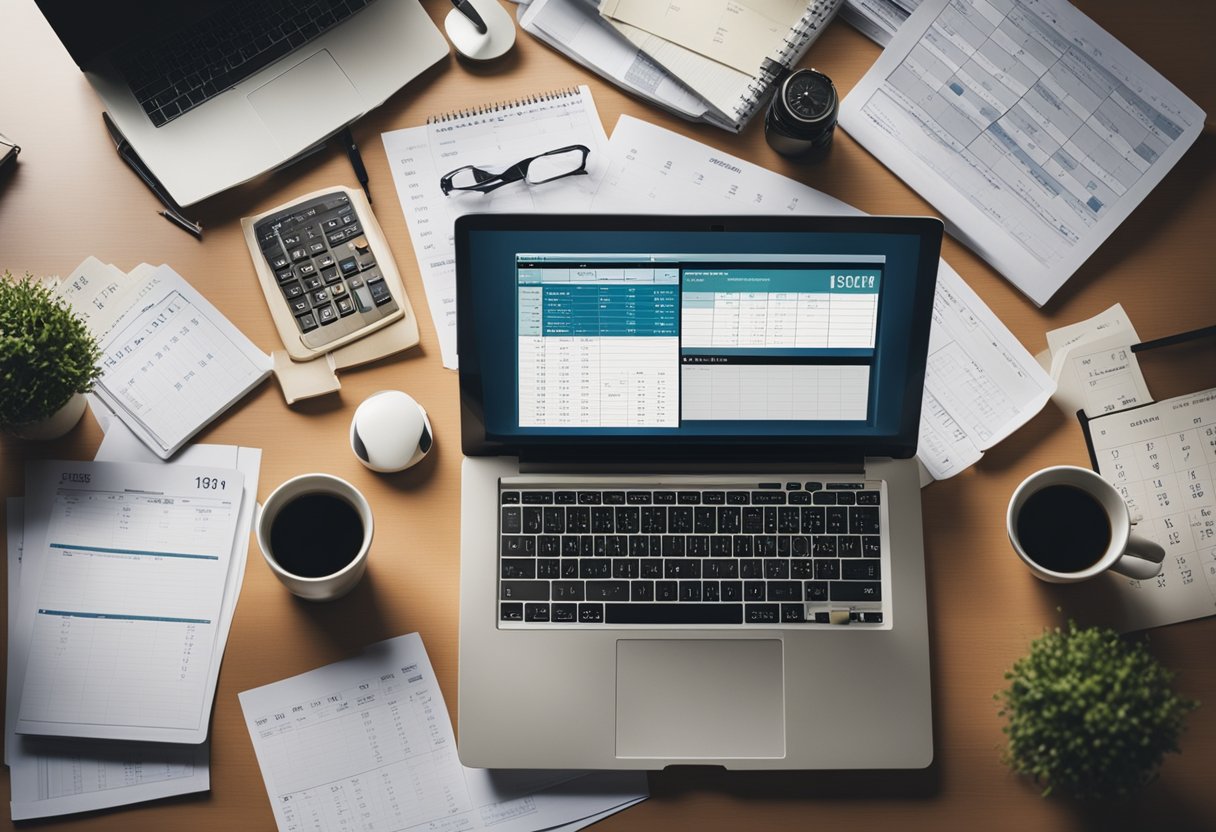
Managing finances as a freelancer involves using effective invoicing tools and setting aside time for financial tasks. These practices help ensure consistent cash flow and a stable financial foundation.
Invoicing and Accounting Tools
Using the right invoicing and accounting tools is essential for freelancers. FreshBooks and Bonsai are popular choices that streamline billing and bookkeeping. These tools help create detailed invoices, track payments, and manage expenses efficiently.
With FreshBooks, I can automatically track my expenses and send out professional-looking invoices with just a few clicks. This saves time and helps me avoid manual errors. Bonsai, meanwhile, provides integrated contracts and proposals on top of invoicing, which is convenient for managing client relationships.
Such tools also simplify tax preparation, ensuring I have everything in order when tax season arrives. Proper use of these finance tools means I can focus more on my work and less on chasing payments or dealing with paperwork.
Budgeting Time for Financial Tasks
Every freelancer should set aside dedicated time each week to handle financial tasks. This could include reviewing income and expenditures, updating records, or planning for taxes. Allocating time for these tasks means I can stay on top of my financial situation without feeling overwhelmed.
Blocking off a few hours weekly in my calendar ensures I don’t neglect this essential aspect of freelancing. It’s crucial that I review outstanding invoices, update accounting tools, and prep for any upcoming financial obligations regularly.
Doing this consistently can prevent financial surprises and help me make informed decisions about my business. Having this routine builds my confidence in managing freelance finances effectively.
Maintaining Work-Life Balance
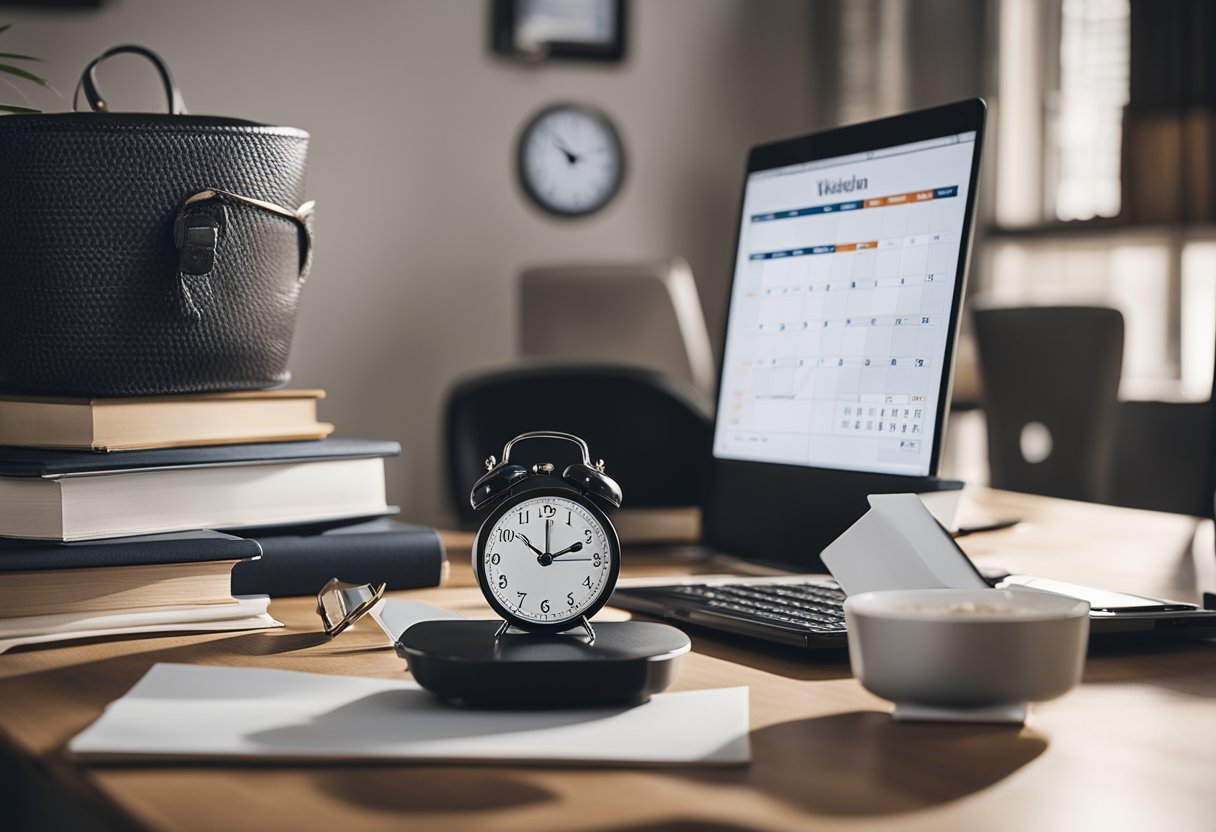
Balancing work and personal life is crucial for maintaining overall well-being as a freelance web designer. By incorporating regular breaks and setting clear boundaries with clients, I can ensure that work does not interfere with my personal life.
Incorporating Regular Breaks and Downtime
Taking regular breaks prevents burnout and helps maintain focus. I find it essential to take short breaks during work hours. These breaks allow me to recharge and return to tasks with renewed energy.
I schedule longer downtimes each week to relax and engage in hobbies. This time away from work is as vital as work time itself. It supports productivity and creativity. Also, I consider using techniques like the Pomodoro Technique, which divides work into intervals, separated by short rests, to enhance my efficiency.
By prioritising downtime, I improve my mental health and professional output.
Setting Boundaries for Client Work
Setting boundaries involves clearly defining work hours and sticking to them. I communicate with my clients about when I am available and make sure they understand my limits.
It’s important to resist the urge to respond to client communications outside my set hours. Using tools to manage projects, like setting up specific times for meetings, helps me avoid unnecessary disruptions. Additionally, outsourcing tasks that are not my speciality can be an effective way to maintain balance.
Delegating or outsourcing allows me to focus on tasks that align with my skills, making time management more effective. These strategies ensure my work does not intrude on personal life, maintaining a healthy separation between the two.
Effective Communication and Meeting Strategies
As a freelance web designer, I prioritise clear communication and efficient meetings to enhance productivity. This involves planning client meetings thoroughly and staying connected through reliable communication tools.
Organising Client Meetings Efficiently
When scheduling client meetings, I always make it a point to set a clear agenda. This ensures that every discussion has a purpose and helps us avoid going off track. I usually plan meetings at times that suit both my schedule and that of the client, respecting different time zones, especially in remote work situations.
Using a shared online calendar simplifies scheduling. Tools like Google Calendar or Outlook help me coordinate meeting times with ease. Before the meeting, I send out a detailed agenda to all participants. This gives everyone a chance to prepare and think about the topics we’ll cover.
I also prefer keeping meetings short and focused. I aim to cover all key points within 30 to 45 minutes, limiting longer meetings to rare occasions. In this way, I respect everyone’s time and keep productivity high.
Using Communication Tools to Stay Connected
Staying connected with clients and team members is crucial. I rely on tools like Slack and Microsoft Teams for efficient communication. They allow me to send quick messages, share files, and set up virtual meetings.
These tools also support remote work by providing channels for specific projects. This helps in organising conversations and ensuring that important messages don’t get lost in long message threads. I ensure notifications are tailored to avoid distractions while remaining responsive.
Video calls through platforms like Zoom or Google Meet are another key element of my communication strategy. They provide a personal touch that emails lack and help in clarifying any misunderstandings promptly. Regular check-ins help maintain strong client relationships and ensure projects are on track.
Tackling Procrastination and Distractions
As a freelance web designer, balancing creativity and productivity is crucial. I focus on limiting distractions and establishing routines to overcome procrastination.
Identifying and Minimising Distractions
Distractions come in many forms, from social media notifications to household chores. Identifying these disturbances is the first step. I keep my workspace tidy and dedicate specific times for checking emails and social media to avoid interruptions.
To minimise distractions, I use tools like website blockers during work hours. Creating a dedicated workspace in my home also helps keep distractions at bay. This space is free from non-work-related items to maintain focus. When working, I let others know my boundaries to ensure fewer interruptions.
Developing a Procrastination-Proof Routine
Crafting a routine that combats procrastination is vital. I start by setting clear, achievable goals each day. Creating a to-do list and breaking tasks into smaller, manageable pieces lets me track progress easily. This method keeps me motivated and organised.
The Pomodoro Technique works well for me, alternating work intervals with short breaks to maintain focus and energy. Using checklists, I tick off completed tasks, boosting my sense of accomplishment. These strategies help me stay on track and minimise procrastination, ensuring I manage my time effectively.
Tracking and Assessing Your Time Effectively
Managing time as a freelance web designer involves tracking how I spend each hour and assessing whether that helps meet client expectations. This ensures that I can set realistic deadlines and create effective design contracts.
Using Time Tracking to Improve Efficiency
I rely on time tracking tools to capture every minute I spend on different tasks. This helps me see exactly where my time goes and where I might be spending too much or too little. By making a habit of tracking, I can improve my focus and productivity.
Using such tools, I can gather data on different projects and adjust my workflow accordingly. For instance, if a particular design task consistently takes longer than expected, I know to allocate more time for it in future projects. This helps in reducing stress and ensuring I meet deadlines efficiently.
Time tracking also keeps me accountable and offers evidence for any time-related discussions with clients, which helps in maintaining transparency and trust.
Analysing Time Spent for Better Estimates
Once my time is tracked, I take time to analyse this data. This allows me to understand patterns and habits that can impact my work. Reviewing how long specific tasks take helps me to adjust my time estimates and planning for future projects.
By analysing this information, I can improve my ability to set realistic deadlines. This analysis also helps me manage client expectations, as I can provide more accurate timelines based on past performance. This prevents overpromising and under-delivering, which is crucial for maintaining good client relationships.
Moreover, breaking down my time usage into smaller segments can highlight areas where I might be losing time. Correcting these inefficiencies not only improves my productivity but also enhances client satisfaction.
Frequently Asked Questions
Navigating time management as a freelance web designer involves prioritising tasks, setting deadlines, and maintaining a balanced routine. The following points address some of the most common challenges and provide practical solutions.
I find that setting clear goals and differentiating between urgent and important tasks is crucial. Using methods like the Eisenhower Box or setting a daily to-do list helps me focus on high-priority tasks. This approach ensures I focus on what truly matters and manage my workload efficiently.
For deadlines, I use a calendar to map out project timelines. Breaking down projects into smaller tasks with individual deadlines keeps me on track. Communicating these timelines with clients also ensures clarity and helps me stick to my schedule.
Managing multiple projects requires careful organisation. I use project management tools to allocate time for each project and monitor progress. Consistently reviewing projects allows me to maintain quality while juggling multiple demands. This proactive approach prevents last-minute rushes and ensures each project gets the attention it deserves.
Tools like Toggl and Harvest are great for tracking time and measuring productivity. They help me understand how much time I spend on tasks and help identify areas for improvement. These tools give valuable insights that aid in refining my work habits.
Maintaining work-life balance involves setting boundaries. I allocate specific hours for work and personal time, ensuring I disconnect from work outside those hours. Regular breaks and days off are essential to stay refreshed and avoid burnout. This balance is vital for both productivity and personal well-being.
I recommend starting each day with a plan. Setting aside time to review tasks for the day or week helps me stay organised. Consistency in my routine builds momentum and reduces decision fatigue. By sticking to a structured schedule, I maximise my productivity while keeping stress levels low.
