
Introduction
When it comes to launching a successful online presence, a well-designed landing page is often the first step. But how much does a landing page cost in the UK? As someone who has navigated the digital landscape for years, I understand the importance of balancing quality and budget. In this article, we’ll break down the costs, factors, and options to help you make an informed decision.
Key Takeaways
- Landing page costs in the UK vary based on complexity, design, and features.
- DIY solutions are cheaper but may lack professional polish and functionality.
- Hiring a web design agency ensures quality but comes at a higher price.
- Mobile responsiveness and SEO integration can significantly impact pricing.
- Budgeting for ongoing maintenance is crucial for long-term success.
Understanding Landing Page Costs in the UK
What is a Landing Page?
A landing page is a standalone web page designed to convert visitors into leads or customers. Unlike a homepage, it focuses on a single goal, such as signing up for a newsletter or purchasing a product. Landing pages are essential for marketing campaigns, and their design can make or break your conversion rates.
Factors Influencing Landing Page Costs
The cost of a landing page depends on several factors, including design complexity, functionality, and whether you hire a professional. Custom designs, interactive elements, and integrations with tools like CRM systems can increase the price. Additionally, SEO optimisation plays a role in long-term effectiveness.
Average Price Range for Landing Pages in the UK
In the UK, landing page costs can range from £100 for a basic template to £5,000+ for a custom-built page with advanced features. Freelancers may offer lower rates, while agencies provide comprehensive solutions at a premium. It’s essential to weigh the pros and cons of each option based on your needs and budget.
Types of Landing Pages and Their Costs
Simple Landing Pages
Simple landing pages are ideal for businesses looking for a straightforward solution to capture leads or promote a single product. These pages typically include a headline, a brief description, a call-to-action button, and a contact form. The cost for a simple landing page in the UK ranges from £200 to £500, depending on the platform used. Tools like e-commerce website builders can help reduce costs, but customisation may be limited.
For those on a tight budget, DIY options like WordPress or Wix offer templates that can be customised with minimal effort. However, if you need a professional touch, hiring a freelancer or agency ensures a polished result. The key is to balance affordability with functionality, ensuring your landing page meets your business goals without breaking the bank.
Medium Complexity Landing Pages
Medium complexity landing pages include additional features like embedded videos, testimonials, or multiple call-to-action buttons. These pages are designed to engage visitors more effectively and often require custom coding or advanced design work. In the UK, the cost for such pages ranges from £500 to £1,500, depending on the level of customisation and integrations needed.
Platforms like WordPress offer plugins to add functionality, but a professional designer can ensure seamless integration and a cohesive design. Investing in a medium-complexity landing page is worthwhile if you aim to convert visitors into customers or subscribers, as the enhanced features can significantly improve user experience.
Large or Custom Landing Pages
Large or custom landing pages are tailored for businesses with specific needs, such as interactive elements, advanced analytics, or multi-step forms. These pages often require extensive development work and can cost anywhere from £1,500 to £5,000 or more in the UK. The higher price reflects the time and expertise needed to create a unique, high-performing page.
For businesses with complex requirements, working with a web design agency ensures a bespoke solution. While the upfront cost is higher, the long-term benefits—such as higher conversion rates and better user engagement—justify the investment. Custom landing pages are particularly effective for large-scale marketing campaigns or high-value products.
DIY vs. Professional Landing Page Design
Cost Comparison
DIY landing page builders like Unbounce or Leadpages offer affordable solutions, with monthly subscriptions ranging from £20 to £100. These tools are user-friendly but may lack the flexibility of a custom design. In contrast, hiring a professional designer or agency in the UK can cost between £200 and £5,000, depending on the project’s scope.
While DIY options save money upfront, they may not deliver the same results as a professionally designed page. For businesses serious about conversions, investing in a professional ensures a high-quality, optimised landing page. The choice ultimately depends on your budget and the importance of performance metrics like conversion rates.
Pros and Cons of DIY Landing Pages
DIY landing pages are cost-effective and quick to set up, making them ideal for small businesses or startups. They allow you to test ideas without significant financial commitment. However, the limitations of templates can hinder creativity, and the lack of technical support may lead to subpar performance.
On the other hand, professional designs offer custom solutions tailored to your brand and audience. They include advanced features like A/B testing and analytics, which can improve results over time. If your goal is to maximise conversions, a professional approach is often the better choice.
When to Hire a Professional
Hiring a professional is advisable when your landing page plays a critical role in your marketing strategy. For example, if you’re launching a high-value product or running a paid advertising campaign, a professionally designed page can significantly impact ROI. Additionally, if you lack the time or skills to create an effective page, outsourcing ensures quality.
Professionals also bring expertise in SEO and user experience, which can enhance your page’s performance. While the initial cost is higher, the long-term benefits—such as increased leads and sales—make it a worthwhile investment for serious businesses.
Key Features That Affect Landing Page Pricing
Design Complexity
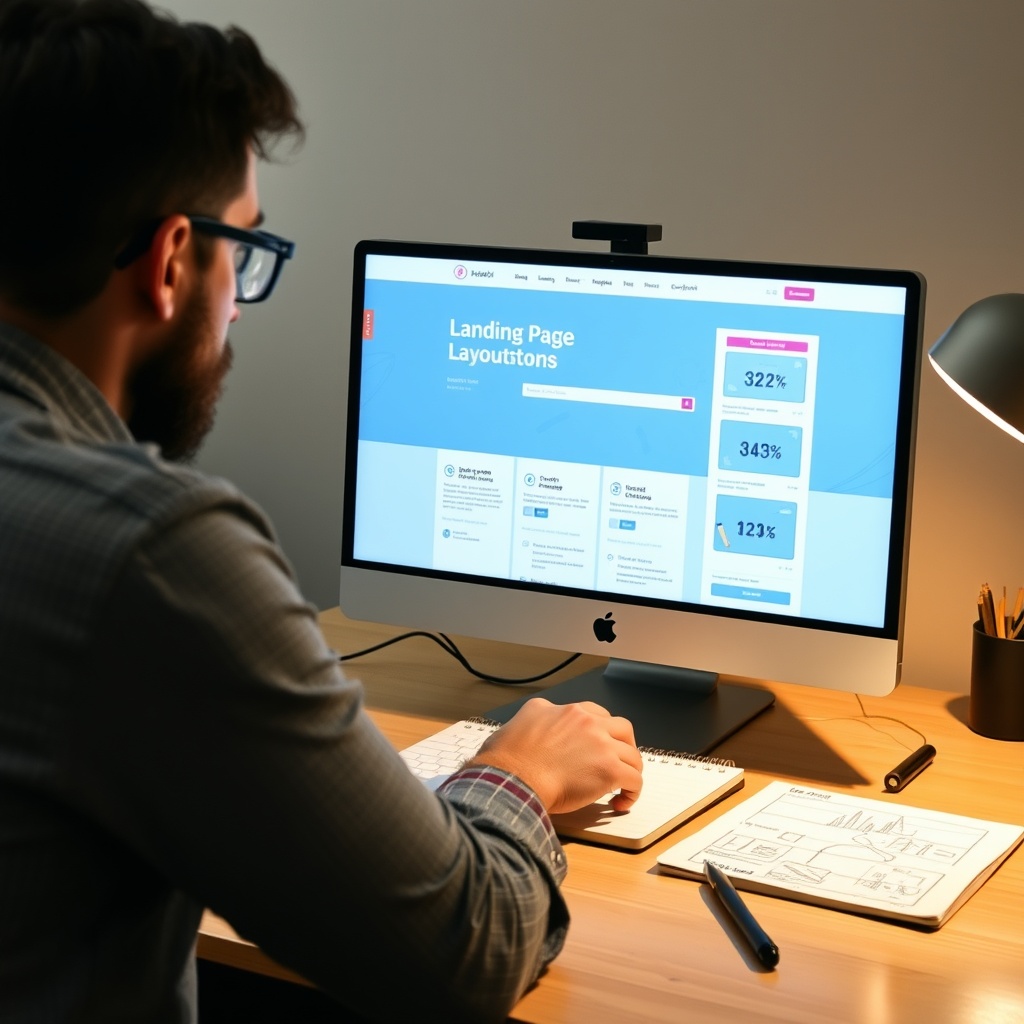
The complexity of your landing page design directly impacts the cost. Simple designs with minimal elements are cheaper, while intricate layouts with custom graphics or animations require more time and expertise. In the UK, design complexity can add £500 to £2,000 to the total cost, depending on the level of detail.
Custom illustrations, interactive elements, or responsive design for multiple devices are examples of features that increase complexity. While these elements enhance user engagement, they also require skilled designers and developers. Balancing aesthetics with functionality is key to creating an effective yet affordable landing page.
Integration Capabilities
Integrations with CRM systems, email marketing tools, or payment gateways add functionality but also increase costs. Basic integrations may cost £100 to £500, while advanced setups can exceed £1,000. These features are essential for automating workflows and improving user experience.
For businesses relying on lead generation or e-commerce, seamless integrations are crucial. Platforms like Shopify offer built-in solutions, but custom integrations require developer expertise. Investing in these capabilities ensures your landing page operates efficiently and meets your business needs.
Content Creation and Copywriting
High-quality content and persuasive copywriting are vital for converting visitors. Professional copywriting services in the UK range from £200 to £1,000, depending on the project’s scope. Well-crafted headlines, compelling CTAs, and engaging descriptions can significantly boost conversion rates.
While some businesses opt for DIY copywriting, hiring a professional ensures clarity and persuasiveness. Content that resonates with your target audience is a worthwhile investment, as it directly impacts the success of your landing page. Combining strong design with compelling copy creates a powerful tool for driving results.
The Role of Web Design Agencies in Landing Page Costs
When it comes to landing page costs in the UK, web design agencies play a pivotal role. I’ve found that agencies often charge more than freelancers, but they bring a team of experts to the table. This includes designers, developers, and marketers who ensure your landing page is not just visually appealing but also optimised for conversions.
Selecting the right agency for your budget requires careful consideration. We recommend looking at their portfolio and client testimonials to gauge their expertise. Hidden costs, such as ongoing maintenance or additional revisions, can add up, so it’s crucial to clarify these upfront. A well-chosen agency can deliver a high-performing landing page that justifies the investment.
Agency vs. Freelancer Pricing
Agencies typically charge higher rates than freelancers, but they offer a comprehensive service. I’ve seen projects where agencies provide end-to-end solutions, from design to SEO. Freelancers, on the other hand, might be more affordable but may lack the breadth of skills. It’s a trade-off between cost and the depth of expertise you need for your landing page.
We advise weighing the pros and cons based on your project’s complexity. For instance, if your landing page requires advanced features like SEO integration, an agency might be the better choice. Freelancers can be ideal for simpler projects where budget constraints are a priority.
Selecting the Right Agency for Your Budget
Choosing an agency that aligns with your budget doesn’t mean compromising on quality. I’ve worked with clients who found great value in mid-tier agencies offering tailored packages. Look for agencies that provide transparent pricing and a clear breakdown of services.
We suggest requesting quotes from multiple agencies to compare offerings. Don’t hesitate to ask about their process for mobile optimisation, as this can significantly impact your landing page’s performance. A good agency will tailor their services to your specific needs and budget.
Hidden Costs to Watch Out For
Hidden costs can derail your budget if you’re not careful. I’ve encountered clients surprised by charges for additional revisions or premium plugins. Always ask for a detailed contract outlining all potential expenses.
We recommend setting aside a contingency budget for unforeseen costs. For example, if your landing page requires custom design elements, these might incur extra fees. Transparency from the outset can save you from financial surprises down the line.
Template-Based vs. Custom Landing Page Designs
Template-based and custom landing page designs come with distinct cost implications. I’ve seen businesses achieve great results with both, depending on their goals. Templates are cost-effective and quick to deploy, making them ideal for startups or short-term campaigns.
Custom designs, while pricier, offer uniqueness and tailored functionality. We’ve worked with clients who needed bespoke solutions to stand out in competitive markets. The key is to assess whether the additional cost aligns with your long-term objectives.
Cost Differences
Templates are significantly cheaper, often costing a fraction of a custom design. I’ve helped clients launch landing pages using templates for under £500. Custom designs, however, can range from £2,000 to £10,000 or more, depending on complexity.
We advise considering the scalability of your landing page. If you anticipate future growth, investing in a custom design might be more cost-effective in the long run. Templates can limit flexibility, whereas custom designs adapt to evolving needs.
Benefits of Custom Designs
Custom designs offer unparalleled flexibility and branding opportunities. I’ve witnessed how a bespoke landing page can enhance user experience and conversion rates. Every element, from layout to interactive features, is tailored to your audience.
We recommend custom designs for businesses with unique value propositions. For instance, an e-commerce site might benefit from a responsive design that integrates seamlessly with their product catalogue. The initial investment often pays off through higher engagement and sales.
When to Use Templates
Templates are perfect for time-sensitive campaigns or limited budgets. I’ve seen small businesses launch effective landing pages using templates in a matter of days. They’re also a great option if you lack in-house design resources.
We suggest using templates for testing ideas before committing to a custom design. For example, a template can help you gauge audience response to a new product. Once validated, you can invest in a custom solution with confidence.
The Impact of SEO on Landing Page Costs
SEO is a critical factor in landing page costs, influencing both design and content. I’ve observed that pages optimised for search engines often require additional investment but deliver long-term benefits. Basic SEO considerations, like keyword placement, are relatively inexpensive to implement.
Advanced SEO strategies, such as schema markup or backlink building, can increase costs significantly. We recommend prioritising SEO features based on your target audience. A well-optimised landing page can attract organic traffic, reducing reliance on paid ads.
Basic SEO Considerations
Basic SEO includes on-page elements like meta tags and header structure. I’ve worked on projects where these simple tweaks improved search rankings without hefty costs. Ensuring your landing page is mobile-friendly is another low-cost yet impactful SEO measure.
We advise incorporating SEO best practices from the outset. For example, using keyword-rich content can enhance visibility. These foundational steps are essential for any landing page, regardless of budget.
Advanced SEO Strategies
Advanced SEO involves technical optimisations and content strategies. I’ve seen clients invest in tools like Ahrefs or SEMrush to refine their landing pages. These tools, while costly, provide actionable insights to outperform competitors.
We suggest allocating a portion of your budget to advanced SEO if organic growth is a priority. For instance, integrating backlink strategies can boost authority. The return on investment often justifies the additional expense.
SEO Tools and Their Costs
SEO tools range from free options like Google Analytics to premium platforms. I’ve helped clients navigate this landscape, balancing cost with functionality. Free tools are great for startups, while enterprises might benefit from comprehensive suites.
We recommend starting with free or low-cost tools and scaling up as needed. For example, Google Search Console provides valuable data without expense. Investing in the right tools can streamline your SEO efforts and maximise results.
Mobile Responsiveness and Its Effect on Pricing
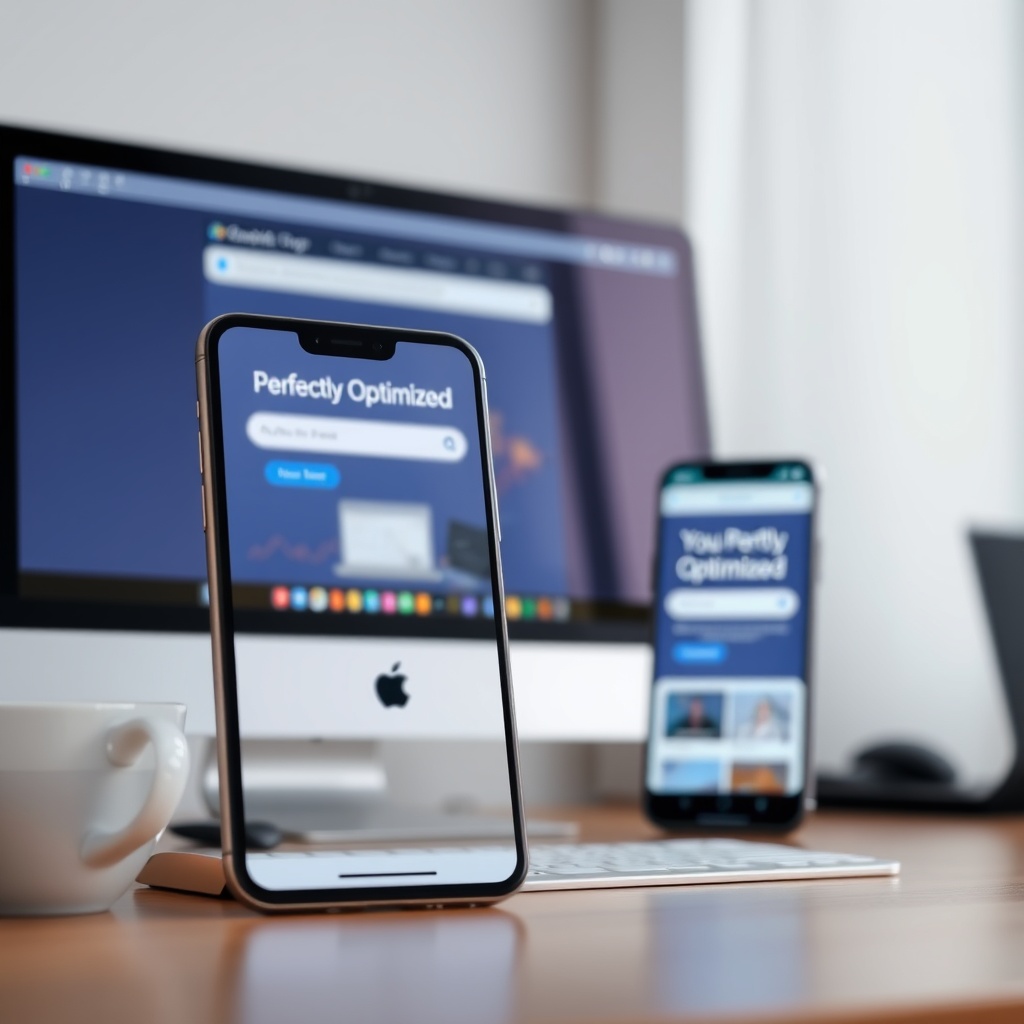
Mobile responsiveness is non-negotiable for modern landing pages, and it directly impacts costs. I’ve seen how a poorly optimised mobile experience can deter potential customers. Ensuring your landing page works seamlessly across devices often requires additional design and testing.
The cost implications vary based on complexity. A simple responsive design might add 10-20% to your budget, while advanced mobile features can double it. We recommend prioritising mobile optimisation to capture the growing segment of mobile users.
Importance of Mobile Optimization
Mobile optimisation enhances user experience and improves SEO rankings. I’ve worked with clients who saw a significant drop in bounce rates after optimising for mobile. Google’s mobile-first indexing also prioritises mobile-friendly pages in search results.
We advise testing your landing page on multiple devices before launch. For example, tools like Google’s Mobile-Friendly Test can identify issues early. Investing in mobile optimisation ensures your landing page performs well across all platforms.
Cost Implications
The cost of mobile responsiveness depends on your design approach. I’ve found that template-based designs often include basic mobile optimisation, reducing costs. Custom designs, however, may require additional development hours to ensure flawless performance.
We suggest discussing mobile requirements with your designer upfront. For instance, features like responsive layouts should be factored into the initial quote. Proper planning can prevent unexpected expenses later.
Testing for Mobile Responsiveness
Testing is a critical yet often overlooked cost factor. I’ve seen projects where inadequate testing led to post-launch fixes, increasing expenses. Comprehensive testing across devices and browsers ensures a smooth user experience.
We recommend allocating a portion of your budget for thorough testing. Tools like BrowserStack can simulate various devices, identifying potential issues. Investing in testing upfront can save you from costly revisions down the line.
Conversion Rate Optimization (CRO) Features
Essential CRO Elements
When designing a landing page, incorporating essential CRO elements can significantly boost conversions. These include clear headlines, compelling call-to-action buttons, and trust signals like testimonials. I’ve found that A/B testing different layouts helps identify what resonates with visitors. For instance, a well-placed CTA button can increase conversions by up to 30%. It’s crucial to prioritise user experience while ensuring the design aligns with your brand.
Another key element is reducing distractions. Clutter-free layouts with minimal form fields improve engagement. We often use heatmaps to analyse user behaviour and refine our designs. Tools like SEO optimisation can also enhance visibility, driving more qualified traffic to your landing page. Remember, every element should guide visitors toward the desired action.
Cost of Implementing CRO Strategies
Implementing CRO strategies varies in cost depending on complexity. Basic A/B testing tools start at around £50 per month, while advanced platforms like Optimizely can exceed £500. Hiring a CRO specialist adds another layer, with rates ranging from £75 to £150 per hour. We’ve seen clients achieve a 20% uplift in conversions by investing in professional CRO services.
For small businesses, DIY tools like Google Optimise offer a budget-friendly alternative. However, the real cost lies in ongoing testing and refinement. Allocating a portion of your budget to web design costs ensures long-term success. It’s a balancing act between upfront investment and measurable returns.
Measuring ROI on CRO Investments
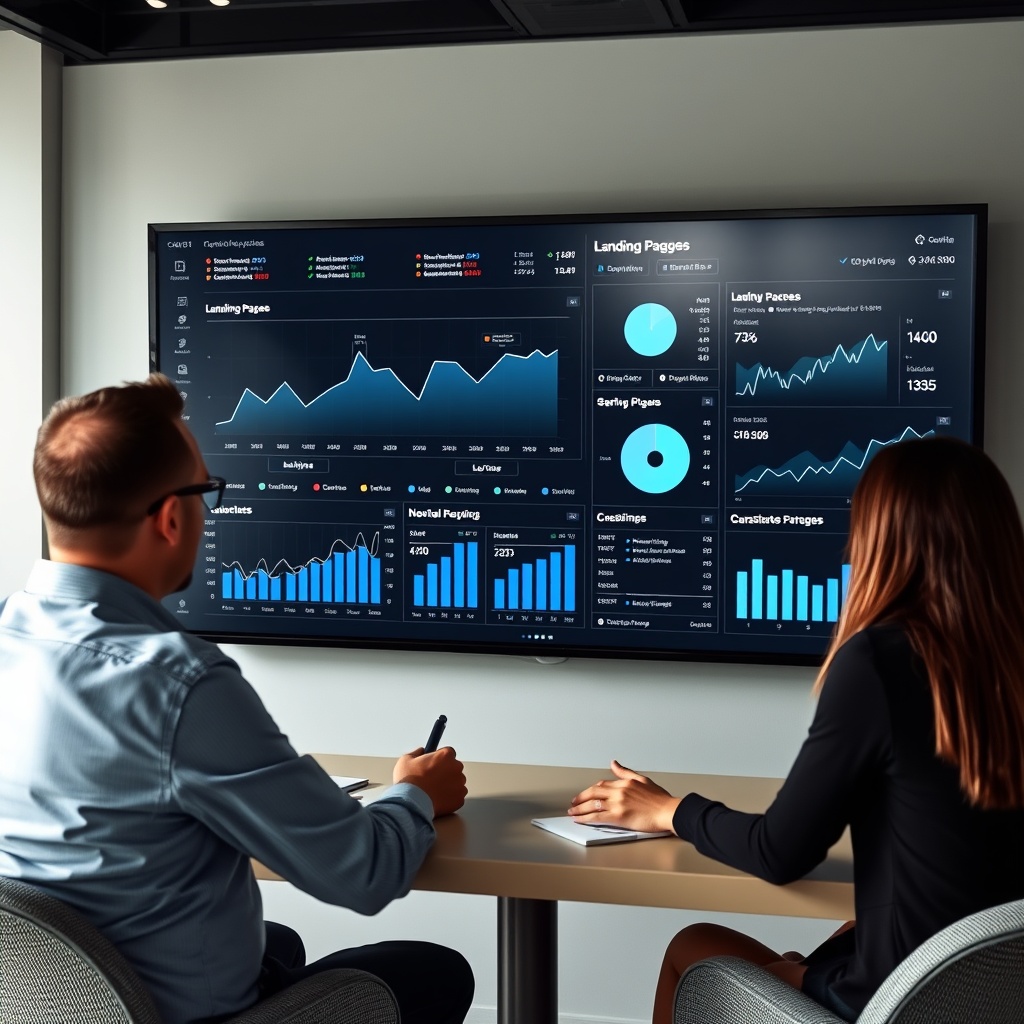
Measuring ROI involves tracking key metrics like conversion rates, bounce rates, and average session duration. We use tools like Google Analytics to monitor performance and adjust strategies accordingly. For example, a 10% increase in conversions can justify the cost of CRO efforts within months. It’s about continuous improvement.
Case studies show that businesses investing in CRO see a 223% return on average. Linking CRO to revenue goals ensures accountability. Consider integrating website development insights to refine your approach. The goal is to create a seamless user journey that drives results.
The True Cost of Cheap Landing Page Solutions
Risks of Low-Cost Providers
Opting for cheap landing page solutions often leads to subpar results. Many providers cut corners, sacrificing design quality and functionality. I’ve encountered clients who regretted choosing budget templates that lacked mobile responsiveness. These shortcuts can harm your brand’s credibility and deter potential customers.
Hidden fees are another concern. What starts as a £100 project can quickly escalate with add-ons. We recommend vetting providers thoroughly and reviewing their portfolios. Investing in a professional website designer ensures a polished, high-performing landing page. Quality should never be compromised for cost.
Long-Term Costs vs. Short-Term Savings
While cheap solutions save money upfront, they often incur higher long-term costs. Poorly designed pages require frequent updates and fixes, draining resources. We’ve seen businesses spend more on revisions than they would have on a custom design. It’s a classic case of “buy cheap, buy twice.”
Consider the opportunity cost of lost conversions. A poorly optimised landing page can cost you leads and revenue. Allocating a realistic budget upfront pays off in the long run. Tools like Landingi offer transparent pricing for scalable solutions. Prioritise value over price.
Identifying Value in Landing Page Services
Value lies in a provider’s expertise and track record. Look for agencies that offer comprehensive services, from design to analytics. We prioritise transparency, providing detailed quotes and timelines. A well-designed landing page should align with your business goals and deliver measurable results.
Client testimonials and case studies are invaluable for assessing value. Don’t hesitate to ask for references. A reputable provider will showcase their success stories. Remember, the cheapest option isn’t always the most cost-effective. Invest in quality to maximise returns.
Case Studies Landing Page Costs and Outcomes
Small Business Success Stories
One of our clients, a local bakery, invested £1,200 in a custom landing page. Within three months, they saw a 40% increase in online orders. The page featured high-quality images, a streamlined checkout process, and targeted messaging. This case highlights the importance of aligning design with business objectives.
Another example is a fitness coach who opted for a DIY solution initially. After struggling with low conversions, they switched to a professional design. The result? A 25% boost in sign-ups. These stories underscore the impact of strategic investment in landing pages.
E-commerce Landing Page Examples
E-commerce businesses benefit immensely from optimised landing pages. A fashion retailer we worked with spent £2,500 on a tailored design. The page included product videos, customer reviews, and a seamless checkout. Sales increased by 35%, proving the value of a well-executed strategy.
Another success story involves a tech startup. Their landing page focused on clear value propositions and a frictionless user experience. The result was a 50% higher conversion rate compared to their previous template. These examples demonstrate the power of professional design.
Lead Generation Campaigns
Lead generation campaigns rely heavily on landing page performance. A B2B client invested £3,000 in a multi-step form and personalised content. The campaign generated 200 qualified leads in the first month. The key was combining compelling copy with intuitive design.
Another client, a consultancy firm, used A/B testing to refine their landing page. By tweaking headlines and CTAs, they achieved a 30% higher conversion rate. These outcomes highlight the importance of continuous optimisation in lead generation.
Advanced Customization and Its Price Impact
Interactive Elements
Adding interactive elements like quizzes, calculators, or chatbots can significantly enhance user engagement. However, these features require advanced coding and design expertise, which can increase costs. For example, a simple interactive form might add £200-£500 to your budget, while a custom chatbot could cost upwards of £1,000. It’s essential to weigh the benefits against the investment.
Personalization Features
Personalization, such as dynamic content based on user behaviour, can boost conversions but comes at a premium. Implementing these features often involves integrating with CRM systems or using AI tools, which can add £500-£2,000 to your project. We recommend prioritising personalisation if your audience responds well to tailored experiences.
Dynamic Content Implementation
Dynamic content, like changing headlines or images based on user demographics, requires robust backend development. Costs here vary widely, from £300 for basic setups to £1,500+ for complex integrations. If you’re targeting multiple audience segments, this feature can justify its cost by improving relevance and engagement.
Maintaining and Updating Your Landing Page
Ongoing Maintenance Costs
Regular maintenance, including security updates and bug fixes, is crucial for performance. Budgeting £50-£200 monthly ensures your landing page remains functional and secure. Many agencies offer maintenance packages, which can be a cost-effective solution compared to ad-hoc fixes.
When to Redesign
A redesign might be necessary if your conversion rates drop or your branding evolves. Costs for a full redesign typically range from £1,000-£5,000, depending on complexity. We suggest reviewing your landing page’s performance annually to determine if updates are needed.
Cost-Effective Update Strategies
Small updates, like tweaking copy or images, can refresh your page without a full redesign. These minor changes often cost £100-£500 and can extend the lifespan of your landing page. Focus on high-impact updates first, such as optimising call-to-action buttons.
Leveraging Analytics to Justify Landing Page Costs
Key Metrics to Track
Metrics like bounce rate, conversion rate, and time on page provide insights into your landing page’s effectiveness. Tools like Google Analytics are free, while advanced platforms like Hotjar may cost £20-£100 monthly. Tracking these metrics helps you understand where your investment is paying off.
Interpreting Data for Cost Optimization
Analysing data can reveal underperforming elements, allowing you to allocate budget more efficiently. For example, if a section has low engagement, reallocating funds to improve it might yield better results. We recommend quarterly reviews to ensure your spending aligns with performance.
Tools for Landing Page Analytics
Beyond Google Analytics, tools like SEO plugins or heat mapping software can provide deeper insights. These tools often range from free to £50 monthly. Investing in the right analytics tools ensures you’re making data-driven decisions to maximise ROI.
Frequently Asked Questions
How much does a basic landing page cost in the UK?
A basic landing page typically costs between £500 and £1,500, depending on design and functionality. This includes a simple layout, basic forms, and minimal customisation. For more details, check our guide on web design costs.
What factors influence the cost of a landing page?
Key factors include design complexity, integrations, and content creation. For example, adding e-commerce functionality or advanced SEO can increase costs. Always discuss your requirements with your designer to get an accurate quote.
Is it worth hiring a professional for a landing page?
Yes, professionals ensure your landing page is optimised for conversions and user experience. While DIY options are cheaper, they often lack the polish and performance of a professionally designed page. Learn more about design services.
How often should I update my landing page?
Minor updates should happen quarterly, while a full redesign may be needed every 2-3 years. Regular updates keep your content fresh and aligned with current trends. For tips on maintaining your page, explore our blog.
Can I track the ROI of my landing page?
Absolutely. Tools like Google Analytics and Landingi help measure conversions and user behaviour. Tracking ROI ensures your investment is delivering value and informs future budget decisions.
