
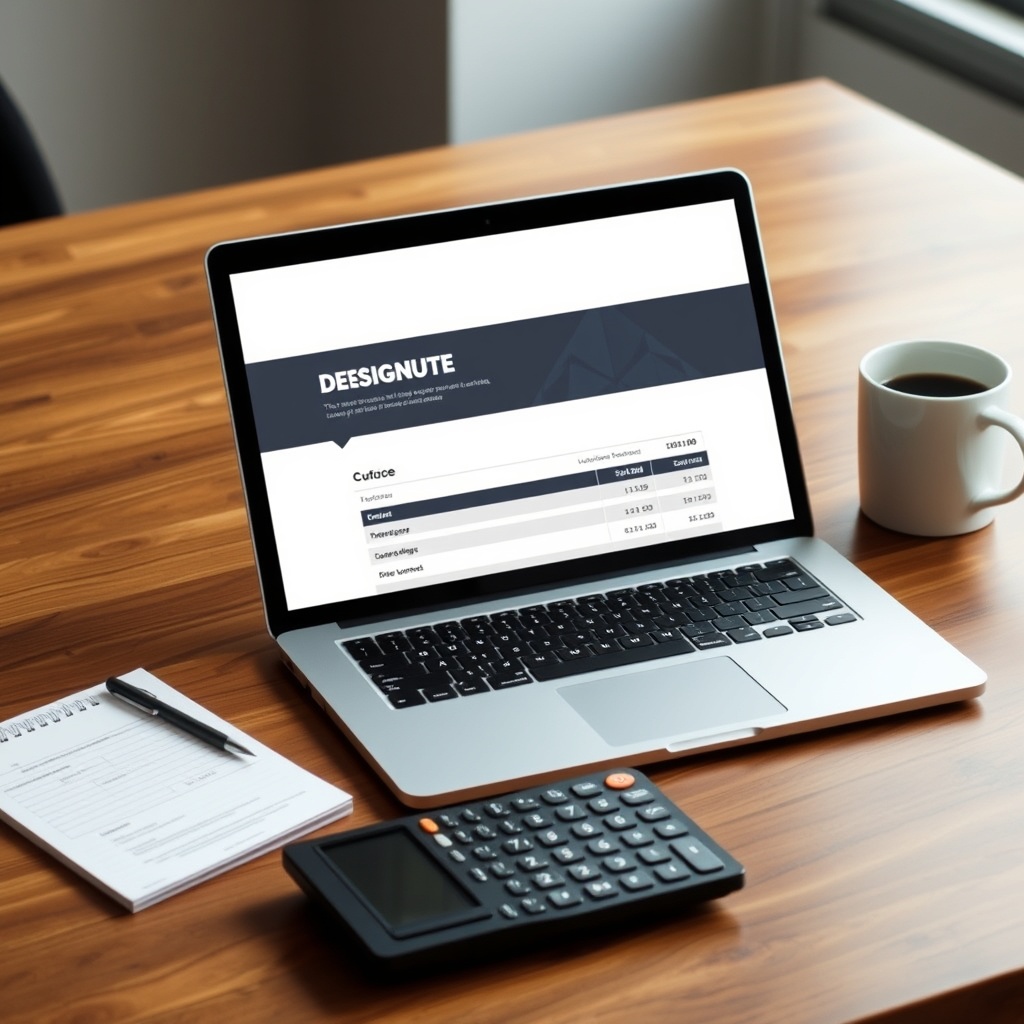
Comparing Freelancers vs Agencies
Cost Differences
When deciding between a freelancer and an agency, cost is often the first consideration. Freelancers typically charge lower rates, making them a budget-friendly option for small projects. Agencies, on the other hand, offer comprehensive services but come with higher price tags. We’ve found that freelancers are ideal for straightforward tasks, while agencies excel in complex projects requiring a team. Choosing the right web design depends on balancing cost and quality.
Freelancers may lack the resources of an agency, but their flexibility can be a boon for startups. Agencies provide structured workflows and accountability, justifying their higher fees. Our experience shows that mid-sized businesses often benefit from agency support, while freelancers suit niche needs. Freelance web design pricing varies widely, so it’s crucial to compare quotes.
Quality and Reliability
Quality is another critical factor. Freelancers bring personalised attention, but their reliability can hinge on individual workload. Agencies, with their teams, ensure consistent delivery and backup support. We’ve seen projects falter when freelancers juggle multiple clients, whereas agencies mitigate risks with dedicated staff. Responsive design is one area where agencies often outperform due to their broader expertise.
Reliability extends to post-launch support. Agencies usually offer maintenance packages, while freelancers may not. Our clients appreciate the peace of mind that comes with agency contracts, especially for long-term projects. Web design is an investment, and reliability should weigh heavily in your decision.
Choosing the Right Option for Your Project
Your project’s scope and timeline will guide your choice. Freelancers are perfect for quick, custom work, while agencies handle large-scale builds. We recommend freelancers for startups and agencies for enterprises. Our team has helped clients navigate this decision by assessing their needs and budget constraints.
Consider future scalability. A freelancer might suffice now, but an agency’s resources could be invaluable later. We’ve seen businesses outgrow freelancers and transition to agencies seamlessly. The key is to align your choice with both immediate and long-term goals.
The Impact of Website Design on Business
ROI of Professional Website Design
A professionally designed website is a powerful asset, offering tangible returns. Studies show that businesses with polished sites see higher conversion rates and customer trust. We’ve witnessed clients recoup their investment within months through increased sales. A well-designed site isn’t just a cost—it’s a revenue driver.
Investing in quality design pays off in reduced bounce rates and improved user engagement. Our clients often report better lead generation after revamping their sites. The initial expense is justified by long-term gains, making professional design a smart financial move.
Website Design as a Marketing Tool
Your website is your digital storefront, and first impressions matter. A sleek design enhances brand perception and credibility. We’ve helped businesses leverage their sites to stand out in competitive markets. A strategic design aligns with marketing goals, amplifying campaigns.
Interactive elements and intuitive navigation keep visitors engaged. Our designs incorporate SEO best practices, ensuring visibility. A well-optimised site attracts organic traffic, reducing reliance on paid ads.
Case Studies Successful Website Designs
Real-world examples highlight design’s impact. One client saw a 40% sales boost after redesigning their e-commerce site. Another doubled their leads with a user-friendly interface. We’ve documented these successes to showcase the transformative power of professional design.
Each case study underscores the importance of tailored solutions. Whether it’s a local business or a global brand, the right design drives results. Our portfolio reflects diverse industries, proving that effective design transcends niches.
Latest Trends in Website Design and Costs
Responsive Design Costs
Responsive design is no longer optional—it’s essential. The cost varies based on complexity, but it’s a worthwhile investment. We’ve found that mobile-friendly sites outperform their counterparts, justifying the expense. Budgeting for responsiveness ensures your site reaches all users.
Advanced frameworks like Bootstrap streamline development, reducing costs. Our team balances affordability with cutting-edge techniques, delivering responsive sites without breaking the bank. The payoff in user satisfaction and SEO rankings is undeniable.
Interactive Media and Animation
Interactive elements elevate user experience but come at a premium. Micro-interactions and animations engage visitors but require skilled execution. We’ve integrated these features for clients seeking standout designs, though they add to the budget.
Balancing creativity and cost is key. Our approach focuses on impactful animations that enhance usability without overwhelming the site. The result is a dynamic yet functional design that captivates users.
AI and Automation in Design
AI is revolutionising design, offering cost-effective solutions. Automated tools streamline workflows, reducing labour costs. We’ve adopted AI for tasks like layout generation, passing savings to clients. However, human oversight remains crucial for quality.
The blend of AI and human expertise optimises budgets. Our clients benefit from faster turnarounds and lower fees without sacrificing creativity. Embracing AI is a smart way to future-proof your design investment.
How to Negotiate with Website Designers
Understanding Pricing Structures
Negotiation starts with understanding pricing models. Hourly rates, flat fees, and project-based pricing each have pros and cons. We’ve guided clients through these options, ensuring transparency. Knowing what you’re paying for empowers you to negotiate effectively.
Clarify deliverables and timelines upfront. Our contracts outline every detail, preventing misunderstandings. A clear scope of work is the foundation for fair negotiations and successful collaborations.
Tips for Getting the Best Deal
Research market rates to benchmark quotes. We encourage clients to compare multiple proposals before committing. Bundling services or opting for off-peak scheduling can yield discounts. Our flexible approach ensures clients get value without compromising quality.
Building long-term relationships often leads to better terms. We reward loyal clients with preferential rates and priority support. Negotiation isn’t just about price—it’s about fostering partnerships.
Contracts and Agreements
A solid contract protects both parties. We draft agreements that specify deliverables, timelines, and payment terms. Our clients appreciate the clarity, which minimises disputes. A well-structured contract is the backbone of a smooth project.
Include clauses for revisions and contingencies. We’ve seen projects derailed by unclear expectations, so our contracts address every potential scenario. Transparency in agreements builds trust and ensures satisfaction.
Common Mistakes in Budgeting for Website Design
Underestimating the Scope
One of the biggest mistakes I see is underestimating the scope of a website project. Clients often focus on the visible elements, like design and content, but overlook backend functionality or integrations. This leads to unexpected costs later. We always recommend a detailed project brief to avoid surprises. A clear scope ensures everyone understands the work involved and prevents budget overruns.
Another issue is assuming all features can be added later. While some flexibility exists, core functionalities must be prioritised upfront. For example, an e-commerce site without payment integration is useless. Our approach is to outline must-haves and nice-to-haves early, aligning them with the budget. This avoids costly revisions down the line.
Overlooking Ongoing Costs
Many businesses forget that a website isn’t a one-time expense. Ongoing costs like hosting, domain renewals, and maintenance add up. We’ve seen clients shocked by annual fees they didn’t anticipate. It’s crucial to factor these into your budget from the start. A well-maintained site ensures performance and security, protecting your investment.
SEO and content updates are often ignored too. A static website loses visibility over time. Regular updates keep it relevant and improve rankings. We advise setting aside a monthly budget for these tasks. Think of it as a marketing expense rather than an optional extra. This proactive approach saves money in the long run.
Choosing Based on Price Alone
Opting for the cheapest quote can be tempting, but it’s rarely the best decision. Low-cost providers often cut corners, resulting in poor quality or hidden fees. We’ve had clients come to us after bad experiences with budget designers. A professional web design service may cost more upfront but delivers better value.
Quality reflects in user experience and functionality. A poorly designed site can drive customers away. We recommend comparing portfolios and client reviews, not just prices. Investing in a reputable designer ensures your site meets business goals. Remember, your website is often the first impression you make.
Tools and Resources for Cost Estimation
Online Cost Calculators
Online tools like the website design cost calculator provide quick estimates. These are useful for ballpark figures but lack nuance. We suggest using them as a starting point. Custom projects require tailored quotes, as every business has unique needs. Calculators can’t account for bespoke features or complex integrations.
However, they help identify cost drivers, like page count or e-commerce functionality. We encourage clients to explore these tools before consulting professionals. It fosters realistic expectations and informed discussions. Just remember, a human touch is irreplaceable for accurate budgeting.
Getting Quotes from Professionals
Nothing beats a detailed quote from a professional. We offer free consultations to assess project requirements. This includes understanding your goals, audience, and technical needs. A personalised quote reflects the true cost, avoiding surprises later. It’s worth reaching out to multiple providers for comparison.
Be wary of vague estimates. A reputable designer breaks down costs transparently. We provide itemised quotes, so clients know where their money goes. This builds trust and ensures alignment. Don’t hesitate to ask questions—it’s your right to understand the investment.
Planning Tools for Website Projects
Project management tools like Trello or Asana help track costs and timelines. We use these to keep clients informed at every stage. Visualising the process prevents scope creep and budget overruns. These tools also facilitate collaboration, ensuring everyone stays on the same page.
Budgeting apps are another resource. They help allocate funds across design, development, and marketing. We recommend tools like QuickBooks for tracking expenses. A structured approach minimises financial stress. Planning ahead is the key to a smooth project.
Future of Website Design Costs
Predicting Cost Trends
Website design costs are evolving with technology. AI and automation may reduce some expenses, but customisation will remain premium. We anticipate a shift towards value-based pricing. Businesses will pay for outcomes, not just hours. This aligns costs with ROI, making investments more justifiable.
However, rising demand for advanced features could offset savings. Interactive elements and AI integrations add complexity. We advise clients to stay informed about trends. Adapting early can lock in competitive rates before prices rise.
The Role of Technology in Reducing Costs
Tools like AI-driven design platforms are democratising web creation. They lower barriers for small businesses. We’ve seen clients use these for basic sites, reserving budgets for critical custom work. Hybrid approaches balance cost and quality effectively.
Open-source platforms like WordPress also cut expenses. They offer robust frameworks without licensing fees. Our team leverages these to deliver affordable solutions. However, professional input ensures optimal performance. Technology is an enabler, not a replacement.
Preparing for Future Website Needs
Future-proofing your site saves money long-term. We design with scalability in mind, avoiding costly rebuilds. Modular architectures allow easy updates as needs change. Investing in flexible solutions today prevents tomorrow’s headaches.
Stay ahead by embracing emerging trends. For example, voice search optimisation is gaining traction. We integrate such features early, giving clients a competitive edge. Proactive planning ensures your site evolves with your business.
Frequently Asked Questions
How much should I budget for a professional website?
A basic website starts around £1,000, while complex sites can exceed £10,000. Costs depend on features, design complexity, and developer expertise. We recommend getting quotes tailored to your needs. A detailed brief ensures accurate estimates.
What ongoing costs should I expect?
Hosting, domain renewals, and maintenance typically cost £300-£1,000 annually. SEO and content updates add to this. We advise setting aside a monthly budget for these essentials. Regular upkeep protects your site’s performance and security.
Is DIY website design a good option?
DIY tools are cost-effective for simple sites but lack customisation. They suit small businesses with basic needs. For professional results, we recommend hiring a designer. A polished site enhances credibility and user experience.
How do I avoid hidden costs?
Choose transparent providers like Bennetts Design and request itemised quotes. Clarify what’s included upfront, like revisions or SEO. We outline all potential expenses to prevent surprises. Open communication is key.
Will AI replace web designers?
AI aids design but can’t replace human creativity and strategy. We use AI for efficiency but focus on bespoke solutions. A designer’s expertise ensures your site stands out. Technology complements, not replaces, professional skills.
