

Introduction to Automation in AI
Automation in AI is transforming how we approach tasks, blending efficiency with intelligence. It’s about leveraging artificial intelligence to perform repetitive or complex tasks without human intervention. From manufacturing to customer service, AI-driven automation is reshaping industries. I’ve seen firsthand how businesses thrive when they integrate these technologies. The future isn’t just automated—it’s intelligent, adaptive, and endlessly scalable.
Key Takeaways
- AI automation combines intelligence with efficiency, enabling systems to learn and adapt autonomously.
- Unlike traditional automation, AI-driven solutions evolve, improving over time with data.
- Key components include data, algorithms, and scalable infrastructure.
- Industries from healthcare to manufacturing are already reaping the benefits.
- The future of AI automation promises even greater advancements and applications.
Defining Automation in the Context of AI
Automation, in the realm of AI, refers to systems that learn, adapt, and execute tasks autonomously. Unlike traditional automation, which follows rigid scripts, AI-driven solutions evolve. They analyse data, predict outcomes, and refine processes. For example, chatbots now handle customer queries with human-like precision. This shift isn’t just about speed—it’s about creating smarter workflows that grow with your needs.
The marriage of AI and automation unlocks unprecedented potential. Imagine a factory where machines predict maintenance needs before breakdowns occur. Or a healthcare system where AI diagnoses conditions faster than any human could. These aren’t futuristic dreams—they’re today’s realities. As we explore the future of AI, the possibilities seem limitless.
The Evolution of Automation and AI
Automation has come a long way from simple mechanical tools. Early systems relied on fixed rules, but AI introduces adaptability. Machine learning algorithms now enable systems to improve over time. I recall when automation meant clunky assembly lines; today, it’s about self-learning networks. This evolution mirrors advancements in computing power and data availability.
The journey from rule-based automation to AI-driven solutions is fascinating. Early adopters faced scepticism, but the results speak for themselves. Companies embracing AI automation report higher efficiency and lower costs. For instance, cloud computing has been a game-changer, providing the infrastructure needed for scalable AI solutions. The next decade promises even more breakthroughs.
Key Components of AI Automation
AI automation relies on three pillars: data, algorithms, and infrastructure. Data fuels learning, algorithms drive decision-making, and infrastructure ensures scalability. Without quality data, even the best algorithms falter. I’ve worked with teams that underestimated this, only to face costly setbacks. The lesson? Invest in robust data pipelines.
Algorithms, particularly machine learning models, are the brains of AI automation. They identify patterns and make predictions. Infrastructure, like cloud platforms, supports deployment at scale. Together, these components create systems that learn and adapt. Whether it’s predictive maintenance or personalised marketing, the right combination unlocks transformative results.
The Role of Machine Learning in Automation
How Machine Learning Powers Automation
Machine learning is the backbone of modern AI automation, enabling systems to learn from data and improve over time without explicit programming. By analysing patterns and making predictions, machine learning algorithms can automate complex tasks, from sorting emails to diagnosing medical conditions. This adaptability makes it invaluable for industries seeking efficiency and innovation. We rely on these algorithms to transform raw data into actionable insights, driving smarter decision-making.
One of the most compelling aspects of machine learning is its ability to handle unstructured data, such as images or natural language. This flexibility allows automation to extend beyond rigid, rule-based systems. For example, chatbots powered by machine learning can understand and respond to customer queries in real-time. The more data these systems process, the more accurate and reliable they become, creating a virtuous cycle of improvement.
Types of Machine Learning Used in Automation
Supervised learning is the most common type, where models are trained on labelled datasets to predict outcomes. It’s widely used in applications like fraud detection and spam filtering. Unsupervised learning, on the other hand, identifies hidden patterns in unlabelled data, making it ideal for customer segmentation or anomaly detection. Both types play a critical role in automating tasks that would otherwise require human intervention.
Reinforcement learning takes automation a step further by enabling systems to learn through trial and error. This approach is particularly useful in robotics and autonomous vehicles, where the AI must adapt to dynamic environments. By combining these methods, we can create robust automation solutions tailored to specific needs. The choice of machine learning type depends on the problem at hand, but each offers unique advantages for streamlining workflows.
Benefits of Automation in AI
Efficiency and Productivity Gains
Automation powered by AI significantly boosts efficiency by handling repetitive tasks faster and more accurately than humans. For instance, automated data entry systems reduce errors and free up employees to focus on strategic work. This shift not only accelerates processes but also enhances overall productivity. We’ve seen businesses achieve remarkable results by integrating AI-driven tools into their operations, often completing tasks in minutes that once took hours.
Another advantage is the ability to operate around the clock without fatigue. Unlike human workers, AI systems can process information continuously, ensuring uninterrupted service. This is particularly beneficial for industries like e-commerce, where customer demands are constant. By leveraging automation, companies can maintain high performance levels while minimising downtime, ultimately driving growth and competitiveness.
Cost Reduction and Scalability
AI automation reduces operational costs by minimising the need for manual labour and mitigating human errors. For example, automated customer service platforms can handle thousands of inquiries simultaneously, eliminating the expense of large support teams. These savings can be reinvested into innovation or expansion, creating a virtuous cycle of growth. We’ve observed that businesses adopting AI automation often see a rapid return on investment.
Scalability is another key benefit, as AI systems can easily adapt to increasing workloads without proportional cost increases. Whether it’s processing more transactions or analysing larger datasets, automation ensures seamless scaling. This flexibility is crucial for startups and enterprises alike, allowing them to grow without being constrained by resource limitations. The ability to scale efficiently is a game-changer in today’s fast-paced market.
Enhancing Accuracy and Reducing Human Error
Human error is inevitable, but AI automation can drastically reduce its impact. In fields like healthcare, automated diagnostic tools analyse medical images with precision, catching anomalies that might be missed by the human eye. This level of accuracy not only improves outcomes but also builds trust in AI-driven solutions. We’ve seen how automation can transform industries by delivering consistent, reliable results.
Moreover, automation eliminates biases that often creep into human decision-making. For example, AI-powered hiring tools can evaluate candidates based on objective criteria, promoting fairness. While no system is perfect, the transparency and consistency of automation make it a powerful tool for reducing errors and improving quality. As AI continues to evolve, its role in ensuring accuracy will only become more pronounced.
Common Applications of AI Automation
AI Automation in Manufacturing
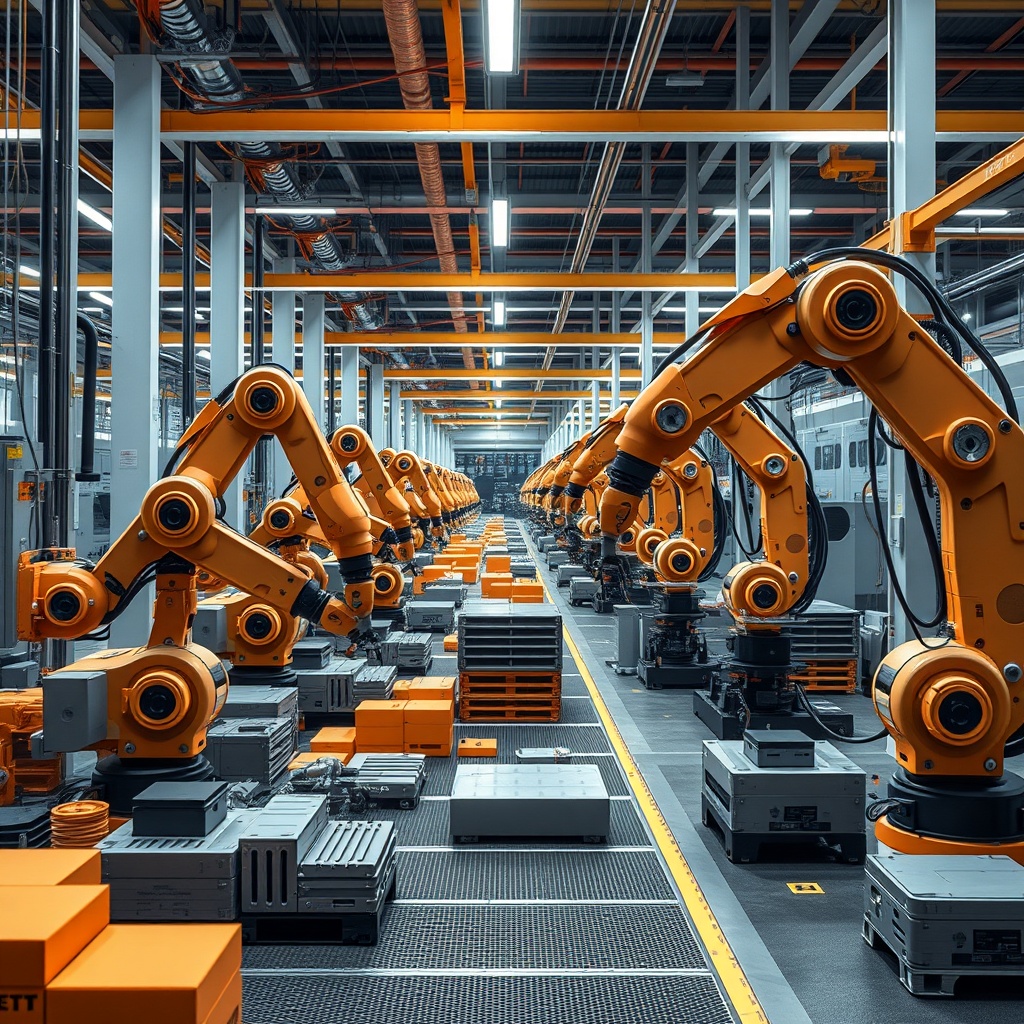
Manufacturing has been revolutionised by AI automation, with robots and smart systems streamlining production lines. These technologies handle everything from assembly to quality control, ensuring precision and speed. For example, predictive maintenance systems use AI to monitor equipment and flag issues before they cause downtime. We’ve seen factories achieve unprecedented efficiency by integrating these solutions, reducing waste and maximising output.
Collaborative robots, or cobots, are another breakthrough, working alongside humans to enhance productivity. These machines learn from their environment, adapting to new tasks with minimal reprogramming. The result is a flexible, responsive manufacturing process that can quickly adjust to changing demands. By embracing AI automation, manufacturers are setting new standards for innovation and competitiveness in the industry.
AI Automation in Customer Service
Customer service has been transformed by AI-powered chatbots and virtual assistants, which provide instant, personalised support. These tools can handle routine inquiries, freeing up human agents to tackle complex issues. For instance, AI-driven systems analyse customer sentiment to tailor responses, improving satisfaction. We’ve observed how automation enhances the customer experience while reducing operational costs for businesses.
Beyond chatbots, AI automation enables proactive service by predicting customer needs. For example, e-commerce platforms use AI to recommend products based on browsing history. This level of personalisation fosters loyalty and drives sales. As these technologies advance, the line between human and automated service will blur, creating seamless interactions that delight customers and boost brand reputation.
AI Automation in Healthcare
Healthcare is another field where AI automation is making a profound impact. From robotic surgeries to automated diagnostics, these technologies improve patient outcomes and reduce costs. For example, AI algorithms analyse medical records to identify at-risk patients, enabling early intervention. We’ve seen how automation can save lives by providing timely, data-driven insights to healthcare professionals.
Administrative tasks, such as scheduling and billing, are also being automated, allowing staff to focus on patient care. AI-powered tools streamline workflows, ensuring that resources are used efficiently. As the healthcare industry faces increasing demands, automation offers a scalable solution to deliver high-quality care. The potential for AI to revolutionise this sector is immense, and we’re only scratching the surface.
How to Implement AI Automation in Your Business
Identifying Processes Suitable for Automation
We often start by pinpointing repetitive tasks that consume significant time and resources. These are prime candidates for automation, as AI can handle them with precision and consistency. For example, data entry or invoice processing can be streamlined using AI tools. By focusing on high-impact areas, we ensure a smoother transition and quicker returns on investment.
Another consideration is the complexity of the process. While AI excels at structured tasks, overly complex workflows may require additional refinement. We recommend starting with simpler processes to build confidence and gradually scaling up. This approach minimises disruption and allows for iterative improvements.
Choosing the Right AI Tools and Technologies
Selecting the appropriate tools is critical for successful AI automation. We evaluate factors like scalability, compatibility with existing systems, and ease of use. For instance, machine learning platforms can be tailored to specific business needs, offering flexibility and robust performance.
It’s also essential to consider the level of support and training provided by vendors. We’ve found that businesses benefit most from tools with comprehensive documentation and active user communities. This ensures smooth adoption and troubleshooting when challenges arise.
Steps to Integrate AI Automation
Integration begins with a pilot phase, where we test the AI solution on a small scale. This allows us to identify potential issues and make necessary adjustments. For example, deploying a chatbot in a single department before company-wide rollout ensures it meets user expectations.
Once the pilot succeeds, we proceed with full-scale implementation. This involves training staff, monitoring performance, and continuously refining the system. We emphasise collaboration between IT and operational teams to ensure seamless integration and maximise the benefits of AI automation.
Tools and Technologies for AI Automation
Overview of Popular AI Automation Tools
The market offers a wide array of AI tools, each designed for specific applications. For instance, robotic process automation (RPA) tools like UiPath excel at automating repetitive tasks, while cloud-based AI platforms provide scalable solutions for data analysis. We explore these options to match tools with business requirements.
Emerging technologies like natural language processing (NLP) and computer vision are also gaining traction. These tools enable advanced automation, such as sentiment analysis or object recognition. By staying updated on trends, we ensure our clients leverage cutting-edge solutions.
Selecting Tools Based on Business Needs
Choosing the right tool depends on factors like budget, technical expertise, and long-term goals. We recommend conducting a thorough needs assessment before making a decision. For example, small businesses might prioritise cost-effective solutions, while enterprises may focus on scalability and integration capabilities.
It’s also worth considering the tool’s adaptability to future advancements. We’ve seen businesses thrive by selecting platforms that support continuous learning and updates. This future-proofs their investment and ensures sustained competitiveness.
Overcoming Challenges in AI Automation
Addressing Data Quality and Availability Issues
High-quality data is the backbone of effective AI automation. We often encounter challenges like incomplete or inconsistent datasets, which can hinder performance. To mitigate this, we implement robust data governance frameworks, ensuring accuracy and reliability.
Another common issue is data silos, where information is trapped in isolated systems. We advocate for integrated data architectures, enabling seamless access and analysis. By prioritising data quality, we lay a solid foundation for successful AI automation.
Managing Change and Workforce Adaptation
Introducing AI automation can be met with resistance from employees fearing job displacement. We address this by fostering a culture of continuous learning and upskilling. For example, training programmes on AI tools empower staff to work alongside new technologies.
Clear communication about the benefits of automation also plays a crucial role. We highlight how AI can eliminate mundane tasks, allowing employees to focus on creative and strategic work. This shift in perspective encourages acceptance and collaboration.

Advanced Techniques in AI Automation
Deep Learning for Complex Automation Tasks
Deep learning has revolutionised AI automation, enabling solutions for highly complex tasks. We leverage neural networks to process vast amounts of data, uncovering patterns that traditional methods might miss. For instance, predictive maintenance in manufacturing benefits immensely from these techniques.
The key to success lies in having sufficient computational power and high-quality training data. We often partner with specialised providers to access the necessary infrastructure. This ensures our deep learning models deliver accurate and actionable insights.
Reinforcement Learning in Automation
Reinforcement learning takes automation a step further by enabling systems to learn through trial and error. We apply this technique in dynamic environments, such as robotics or autonomous vehicles. The ability to adapt in real-time makes it invaluable for tasks requiring continuous improvement.
However, reinforcement learning demands careful design and monitoring. We focus on creating robust reward systems that guide the AI toward desired outcomes. This approach maximises efficiency and minimises unintended behaviours.
Case Studies Success Stories of AI Automation
AI Automation Transforming Retail
We’ve seen AI automation revolutionise the retail sector, streamlining operations and enhancing customer experiences. By leveraging machine learning, retailers can predict demand, optimise inventory, and personalise recommendations. For instance, AI-driven chatbots handle customer queries efficiently, freeing up human staff for complex tasks. These innovations not only boost efficiency but also create a seamless shopping journey, proving the transformative power of AI automation.
Another standout example is automated checkout systems, which reduce wait times and operational costs. These systems use computer vision to identify products, eliminating the need for manual scanning. The result? Faster transactions and happier customers. Retailers adopting these technologies gain a competitive edge, showcasing how AI can redefine traditional business models and drive growth in unexpected ways.
Breakthroughs in Autonomous Vehicles
Autonomous vehicles represent one of the most exciting applications of AI automation. Companies like Tesla and Waymo use deep learning algorithms to process vast amounts of data from sensors, enabling cars to navigate safely. These systems continuously learn from real-world scenarios, improving their decision-making over time. The potential to reduce accidents and transform urban mobility makes this a groundbreaking achievement in AI-driven innovation.
Beyond passenger cars, AI automation is revolutionising logistics with self-driving trucks. These vehicles operate around the clock, reducing delivery times and labour costs. The integration of AI into transportation highlights its ability to solve complex challenges, paving the way for a future where automation is synonymous with reliability and efficiency.
Troubleshooting Common AI Automation Problems
Debugging AI Models in Automation
Debugging AI models can be daunting, but it’s essential for ensuring accuracy and reliability. We often encounter issues like overfitting, where models perform well on training data but fail in real-world scenarios. Techniques like cross-validation and regularisation help mitigate this. Additionally, visualising model performance through tools like TensorBoard provides insights into potential flaws, making debugging more manageable.
Another common challenge is data drift, where input data changes over time, degrading model performance. Monitoring tools like Evidently AI detect these shifts, allowing timely updates. By addressing these issues proactively, we maintain the integrity of our automated systems, ensuring they deliver consistent results. Debugging is a continuous process, but it’s crucial for sustaining trust in AI solutions.
Ensuring Reliability and Consistency
Reliability is the cornerstone of successful AI automation. We achieve this by implementing robust testing frameworks that simulate real-world conditions. For example, stress testing models under extreme scenarios ensures they handle unexpected inputs gracefully. Consistency, on the other hand, requires regular model retraining to adapt to evolving data patterns, keeping outputs accurate and relevant.
Another strategy is redundancy, where multiple models validate each other’s outputs. This approach minimises errors and enhances system resilience. By prioritising reliability and consistency, we build automation systems that businesses can depend on, fostering long-term adoption and success. These practices underscore the importance of meticulous planning in AI projects.
Best Practices for AI Automation
Continuous Learning and Model Updating
AI models thrive on continuous learning. We recommend setting up pipelines that automatically retrain models with fresh data, ensuring they remain effective over time. Techniques like transfer learning allow models to adapt to new tasks without starting from scratch, saving time and resources. This iterative process keeps automation systems agile and responsive to changing demands.
Monitoring performance metrics is equally critical. Tools like MLflow track model accuracy and efficiency, flagging declines for intervention. By embedding continuous learning into workflows, we future-proof AI automation, enabling it to evolve alongside business needs. This proactive approach is key to maintaining a competitive edge in dynamic markets.
Ethical Considerations in AI Automation
Ethics must guide every stage of AI automation. We prioritise transparency, ensuring stakeholders understand how decisions are made. Bias mitigation is another focus; diverse training data and fairness algorithms help prevent discriminatory outcomes. These measures build trust and ensure automation benefits all users equitably.
Accountability is equally important. Clear documentation of model logic and decision pathways ensures traceability. By embedding ethical principles into design, we create automation systems that are not only effective but also socially responsible. This balance is essential for sustainable innovation in AI-driven industries.
Comparing AI Automation with Traditional Automation
Key Differences and Advantages
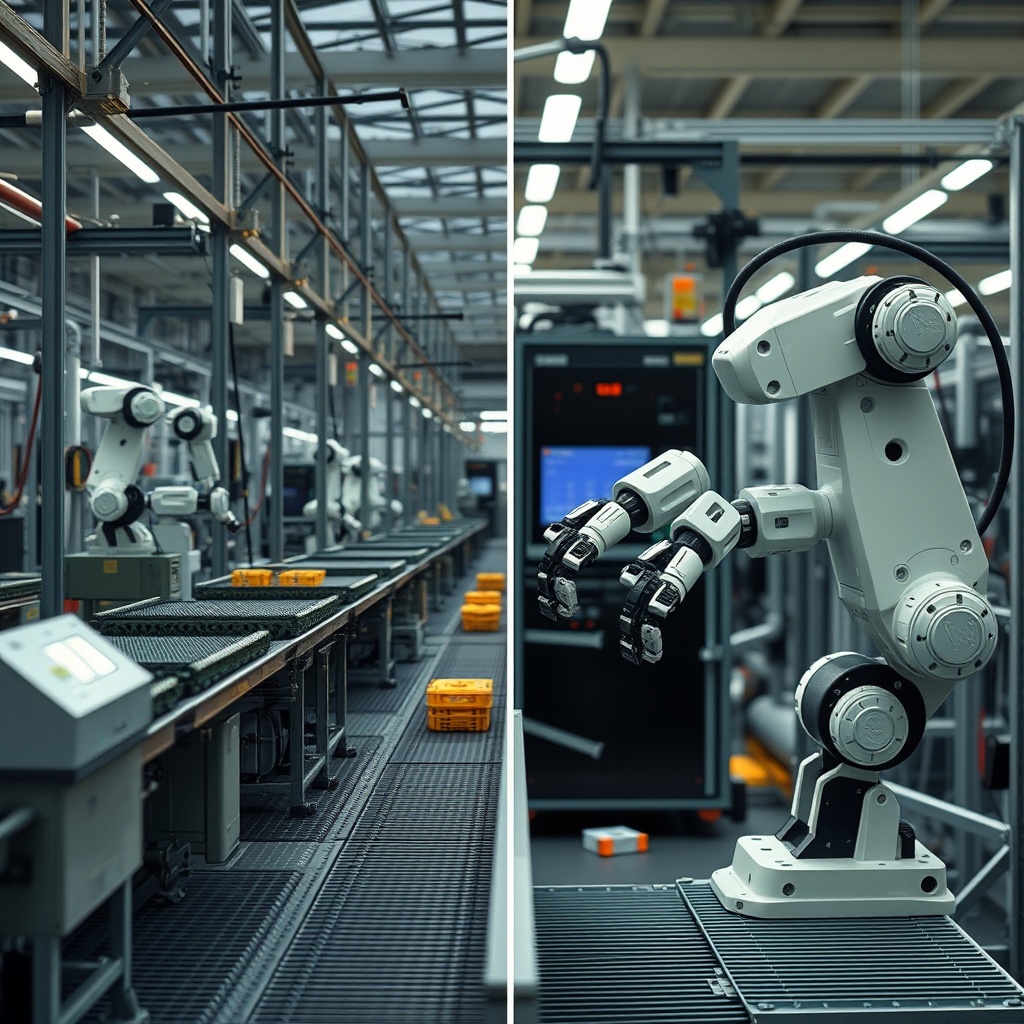
AI automation differs fundamentally from traditional methods by its ability to learn and adapt. While traditional systems follow rigid, pre-programmed rules, AI leverages data to improve performance autonomously. This flexibility allows AI to handle complex, dynamic tasks—like natural language processing—that traditional systems struggle with. The result is higher efficiency and scalability, making AI a game-changer for modern businesses.
Another advantage is predictive capabilities. AI can forecast trends and anomalies, enabling proactive decision-making. Traditional automation lacks this foresight, relying instead on reactive measures. By integrating AI, organisations unlock new levels of insight and agility, transforming how they operate and compete in their industries.
When to Choose AI Over Traditional Methods
AI excels in environments requiring adaptability and intelligence. For example, customer service chatbots benefit from AI’s ability to understand and respond to diverse queries. In contrast, traditional automation suits repetitive, rule-based tasks like assembly line manufacturing. The choice hinges on the complexity and variability of the task at hand.
Cost is another factor. While AI implementation may require higher initial investment, its long-term benefits—like reduced labour costs and enhanced accuracy—often justify the expense. Businesses must weigh these factors carefully, opting for AI when its advantages align with their strategic goals. This thoughtful approach ensures optimal outcomes in automation projects.
Industry Insights The Future of AI Automation
Emerging Trends in AI Automation
We are witnessing a surge in AI automation trends that promise to redefine industries. From hyper-automation integrating AI with robotic process automation to the rise of autonomous decision-making systems, the landscape is evolving rapidly. These advancements are not just about efficiency but also about enabling smarter, more adaptive workflows. The focus is shifting towards AI systems that learn and improve continuously, reducing the need for human intervention.
Another key trend is the democratisation of AI tools, making automation accessible to smaller businesses. Platforms offering no-code or low-code solutions are empowering non-technical users to implement AI-driven processes. This inclusivity is bridging the gap between large enterprises and SMEs, fostering innovation across the board. The future lies in seamless integration, where AI becomes an invisible yet indispensable part of everyday operations.
Predictions for the Next Decade
Looking ahead, we predict AI automation will become ubiquitous, embedded in every sector from healthcare to agriculture. By 2030, AI could automate up to 30% of tasks currently performed by humans, transforming job roles rather than replacing them entirely. Ethical AI will take centre stage, with stricter regulations ensuring transparency and fairness in automated decision-making. The emphasis will be on creating AI systems that augment human capabilities, not overshadow them.
Another exciting prospect is the convergence of AI with other technologies like quantum computing and IoT. This synergy will unlock unprecedented possibilities, from real-time predictive analytics to fully autonomous supply chains. The next decade will be about harnessing AI’s potential responsibly, ensuring it serves as a force for good. We’re on the brink of a revolution, and the choices we make today will shape the future of automation.
Implementing AI Automation A Step-by-Step Guide
Planning Your AI Automation Project
Before diving into AI automation, it’s crucial to define clear objectives. Start by identifying pain points in your workflows that automation can address. Whether it’s reducing manual data entry or improving customer service response times, having a focused goal ensures meaningful outcomes. Involve stakeholders early to align expectations and secure buy-in. A well-defined roadmap with measurable milestones will keep the project on track and justify the investment.
Next, assess your data infrastructure. AI thrives on quality data, so ensure your systems can collect, store, and process information efficiently. If gaps exist, consider partnering with experts or leveraging cloud-based solutions. Budgeting is equally important—factor in costs for tools, training, and potential scalability. Remember, a successful AI project starts with meticulous planning and a realistic understanding of your organisation’s readiness.
Execution and Monitoring
With a plan in place, begin by piloting the automation solution in a controlled environment. This allows you to test functionality and gather feedback without disrupting operations. Choose a small but impactful process to automate first, such as invoice processing or inventory management. Use this phase to fine-tune the AI model, ensuring it aligns with your business needs. Collaboration between IT and operational teams is key to smooth execution.
Once live, continuous monitoring is essential. Track performance metrics like accuracy, speed, and cost savings to evaluate success. Be prepared to iterate—AI models require regular updates to stay effective. Establish a feedback loop with end-users to identify areas for improvement. Automation isn’t a one-time effort but an ongoing journey. By staying agile and responsive, you can maximise the benefits of AI in your organisation.
Scaling and Optimization
Scaling AI automation requires a strategic approach. Start by expanding successful pilots to other departments or processes. Ensure your infrastructure can handle increased loads, and invest in training to upskill employees. Scalability isn’t just about technology; it’s about fostering a culture of innovation. Encourage teams to explore new use cases and share insights. This collaborative mindset will drive sustained growth and adoption.
Optimisation is the final piece of the puzzle. Use advanced analytics to refine AI models, improving efficiency and reducing errors. Explore integrations with other systems to create a cohesive ecosystem. Regularly review your automation strategy to align with evolving business goals. The journey doesn’t end with implementation—it’s about continuous improvement. By scaling thoughtfully and optimising relentlessly, you can future-proof your organisation.
Ethical and Social Implications of AI Automation
The Impact on Employment and Society
AI automation is reshaping the job market, creating both opportunities and challenges. While repetitive tasks are increasingly automated, new roles focused on AI management and ethics are emerging. The key is reskilling—governments and businesses must invest in education to prepare workers for this shift. Societally, automation can reduce inequalities by making services more accessible, but only if its benefits are distributed equitably.
Another concern is the potential for job displacement in certain sectors. Proactive policies, such as universal basic income or targeted support programmes, may be necessary to mitigate these effects. Transparency in AI decision-making is also critical to maintain public trust. We must strike a balance between innovation and social responsibility, ensuring automation serves as a tool for collective progress rather than division.
Ensuring Fairness and Avoiding Bias
Bias in AI systems is a pressing issue, often reflecting historical inequalities in training data. To combat this, we must prioritise diversity in data collection and model development. Implementing rigorous testing protocols can help identify and rectify biases before deployment. Ethical AI frameworks, such as those promoting fairness and accountability, should guide every stage of automation.
Transparency is equally important—users should understand how AI decisions are made. Regular audits and third-party evaluations can ensure compliance with ethical standards. Collaboration between technologists, policymakers, and civil society is essential to create inclusive AI solutions. By addressing bias and fostering fairness, we can build automation systems that benefit everyone, not just a privileged few.
Frequently Asked Questions
How does AI automation differ from traditional automation?
AI automation leverages machine learning and adaptive algorithms to handle complex, dynamic tasks, unlike traditional automation, which follows rigid, pre-programmed rules. AI systems learn from data, improving over time, while traditional methods require manual updates. This flexibility makes AI ideal for scenarios requiring decision-making or pattern recognition, offering a more scalable and intelligent solution.
What industries benefit most from AI automation?
Industries like manufacturing, healthcare, and customer service see significant benefits from AI automation. In manufacturing, AI optimises production lines and predictive maintenance. Healthcare uses AI for diagnostics and personalised treatment plans. Customer service benefits from chatbots and sentiment analysis. However, nearly every sector can harness AI to enhance efficiency, reduce costs, and improve accuracy.
How can small businesses implement AI automation affordably?
Small businesses can start with no-code or low-code AI platforms, which require minimal technical expertise. Cloud-based solutions offer scalable, pay-as-you-go models, reducing upfront costs. Focusing on high-impact, low-complexity processes, like email marketing automation or inventory tracking, can deliver quick wins. Partnering with experts or leveraging free resources can also ease the transition.
What are the risks of AI automation?
Risks include data privacy concerns, job displacement, and biased decision-making. Poorly designed AI systems can amplify existing inequalities or make errors with serious consequences. Mitigating these risks requires robust ethical frameworks, transparent algorithms, and ongoing monitoring. Balancing innovation with accountability is crucial to ensure AI automation benefits society as a whole.
Where can I learn more about AI automation trends?
For authoritative insights, explore this comprehensive guide on AI trends. Additionally, Bennetts Design offers valuable resources on the future of AI and AI basics. Staying informed through industry reports and thought leadership will help you navigate the evolving landscape of AI automation.
