
Introduction
Artificial Intelligence (AI) has transcended the boundaries of human capability in ways we once thought impossible. From processing vast amounts of data in seconds to performing tasks with unmatched precision, AI is reshaping industries and redefining what’s achievable. In this article, I’ll explore the unique abilities of AI that set it apart from human intelligence, offering insights into how these advancements are transforming our world.
Key Takeaways
- AI processes data at speeds far beyond human capacity, enabling real-time decision-making.
- It performs repetitive tasks with zero errors, ensuring high precision in complex calculations.
- Unlike humans, AI operates 24/7 without fatigue, maintaining consistent performance.
- Advanced pattern recognition allows AI to identify trends and predict outcomes with remarkable accuracy.
- AI breaks language barriers by providing instantaneous translations, fostering global communication.
Understanding AI’s Unique Capabilities
Defining Artificial Intelligence
Artificial Intelligence refers to machines designed to mimic human cognitive functions, such as learning and problem-solving. Unlike traditional software, AI adapts and improves over time, making it a powerful tool for innovation. Its ability to analyse data and draw conclusions independently sets it apart from conventional technology.
The Scope of AI’s Abilities
AI’s capabilities extend far beyond simple automation. It can analyse complex datasets, recognise patterns, and even create art or music. For example, AI-powered tools like those discussed here are revolutionising creative industries by generating original content. This versatility makes AI invaluable across sectors, from healthcare to finance.
Comparing AI and Human Intelligence
While humans excel in creativity and emotional intelligence, AI surpasses us in speed, accuracy, and scalability. It can process millions of data points in seconds, a task that would take humans years. However, AI lacks the nuanced understanding and ethical judgment that humans bring to the table, highlighting the need for collaboration between the two.
Processing Speed and Data Analysis
AI’s ability to handle big data is unparalleled. It can sift through terabytes of information in moments, identifying trends and anomalies that humans might miss. This makes it indispensable for fields like cloud computing, where rapid data processing is critical. Real-time analysis also enables AI to make split-second decisions, such as in autonomous driving.
Processing Speed and Data Analysis
Handling Big Data Beyond Human Capacity
We often marvel at the sheer volume of data AI can process in seconds—tasks that would take humans years to complete. AI systems analyse terabytes of information, identifying patterns and trends invisible to the naked eye. This capability revolutionises industries like finance and healthcare, where data-driven decisions are paramount. For instance, AI can sift through decades of stock market data to predict trends, something no human could achieve with such speed or accuracy.
Moreover, AI’s ability to handle unstructured data—like social media posts or medical images—sets it apart. Humans struggle with such complexity, but AI thrives, turning chaos into actionable insights. This is why businesses increasingly rely on AI for cloud computing solutions, where data scalability is critical. The future of big data lies in AI’s hands, and we’re only scratching the surface.
Real-time Processing and Decision Making
Imagine a world where decisions are made in milliseconds, without hesitation or error. AI makes this possible, processing live data streams to deliver instant responses. From autonomous vehicles navigating traffic to fraud detection in banking, real-time AI is transforming how we interact with technology. Unlike humans, AI doesn’t need breaks or second guesses—it operates with unwavering focus.
This speed is particularly vital in emergencies. For example, AI-powered systems in hospitals monitor patients 24/7, alerting staff to critical changes instantly. Such efficiency is unmatched by human capabilities. As we integrate AI deeper into our workflows, its real-time prowess will become indispensable, reshaping industries like finance and logistics.
Unmatched Precision and Accuracy
Error Reduction in Repetitive Tasks
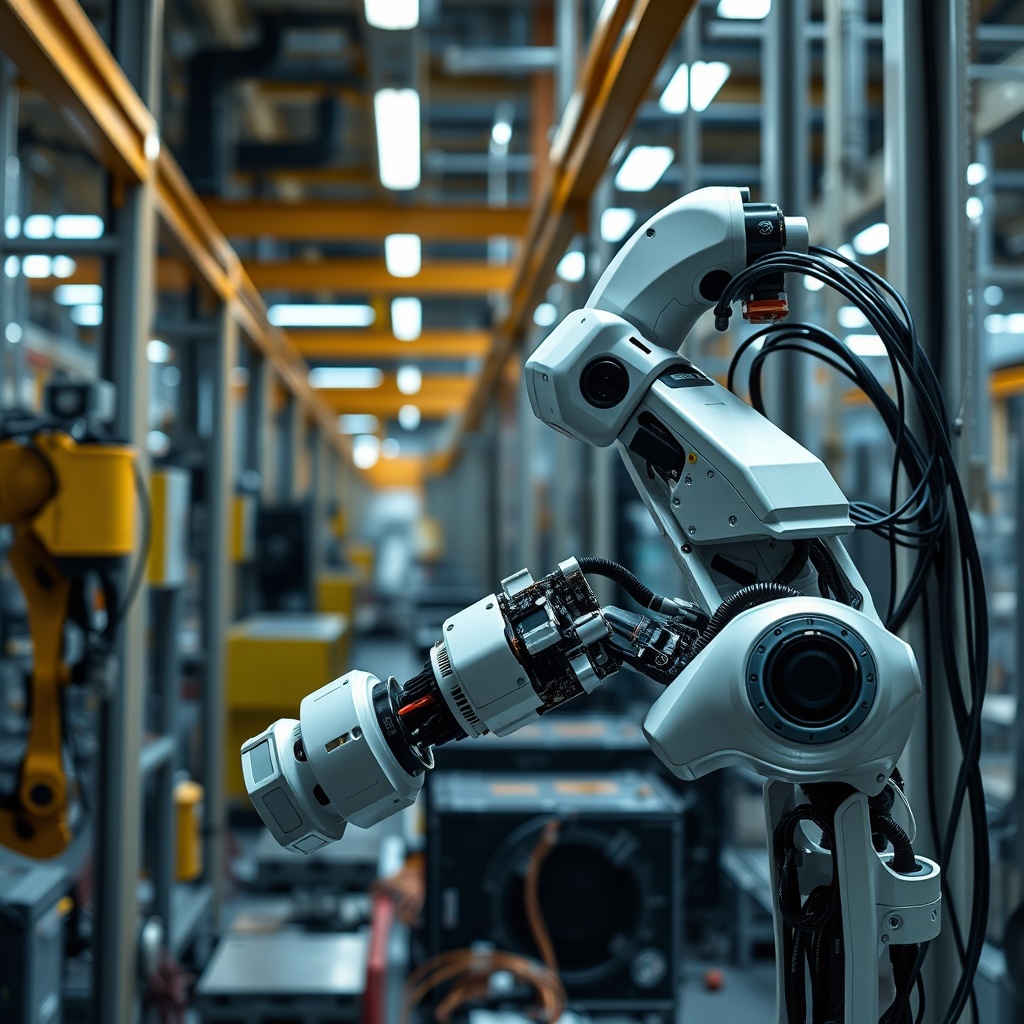
Humans are prone to fatigue and distraction, especially in monotonous tasks. AI, however, performs repetitive actions with flawless precision, eliminating errors that could cost time and money. Manufacturing lines, for instance, rely on AI-driven robots to assemble products with micron-level accuracy, ensuring consistency across thousands of units.
This precision extends to fields like pharmaceuticals, where even minor mistakes can be catastrophic. AI systems verify drug compositions and dosages, safeguarding patient health. By automating these tasks, we free humans to focus on creativity and problem-solving, areas where AI still lags behind.
High Precision in Complex Calculations
From quantum physics to weather forecasting, AI excels in solving equations that baffle even the brightest minds. Its ability to crunch numbers with zero deviation is unparalleled. Consider climate modelling: AI processes countless variables to predict weather patterns, helping us prepare for disasters with unprecedented accuracy.
In finance, AI’s mathematical prowess powers algorithmic trading, executing transactions at speeds and accuracies no human trader could match. This precision is why industries like web design and engineering increasingly adopt AI tools. The margin for error shrinks, and the potential for innovation grows.
Continuous Operation Without Fatigue
24/7 Productivity
Unlike humans, AI doesn’t need sleep, weekends, or holidays. It works tirelessly, maintaining peak performance around the clock. Customer service chatbots, for example, provide instant support at any hour, enhancing user experience without human intervention. This relentless productivity is a game-changer for global businesses operating across time zones.
In sectors like e-commerce, AI-driven systems manage inventory and process orders non-stop, ensuring seamless operations. This efficiency is why e-commerce websites increasingly rely on AI. The result? Faster deliveries, happier customers, and higher profits—all without human fatigue.
Consistency in Performance Over Time
Human performance fluctuates with mood, health, and external factors. AI, however, delivers unwavering consistency, whether it’s day one or year ten. This reliability is crucial in fields like data analysis, where long-term accuracy is non-negotiable. AI systems maintain the same level of precision, regardless of workload or duration.
For example, AI-powered monitoring systems in factories detect equipment anomalies with the same vigilance year after year. This consistency reduces downtime and extends machinery life, saving costs. As AI evolves, its ability to sustain high performance indefinitely will redefine industries, from healthcare to education.
Advanced Pattern Recognition
Identifying Trends and Anomalies
One of the most remarkable abilities of AI is its capacity to identify patterns in vast datasets that would overwhelm human analysts. Whether it’s spotting financial fraud or predicting consumer behaviour, AI excels at recognising subtle trends and anomalies. We rely on these insights to make informed decisions, often uncovering opportunities or risks that would otherwise remain hidden. The precision of AI in this domain is unparalleled, transforming industries from healthcare to finance.
Predictive Analytics and Forecasting
AI’s predictive capabilities extend far beyond simple trend analysis. By leveraging historical data, it can forecast future events with astonishing accuracy. From weather predictions to stock market trends, AI models provide us with actionable foresight. This ability to anticipate outcomes allows businesses and governments to strategise proactively, minimising risks and maximising opportunities. It’s a tool that reshapes how we plan for the future.
Multilingual Communication and Translation
Instantaneous Language Translation
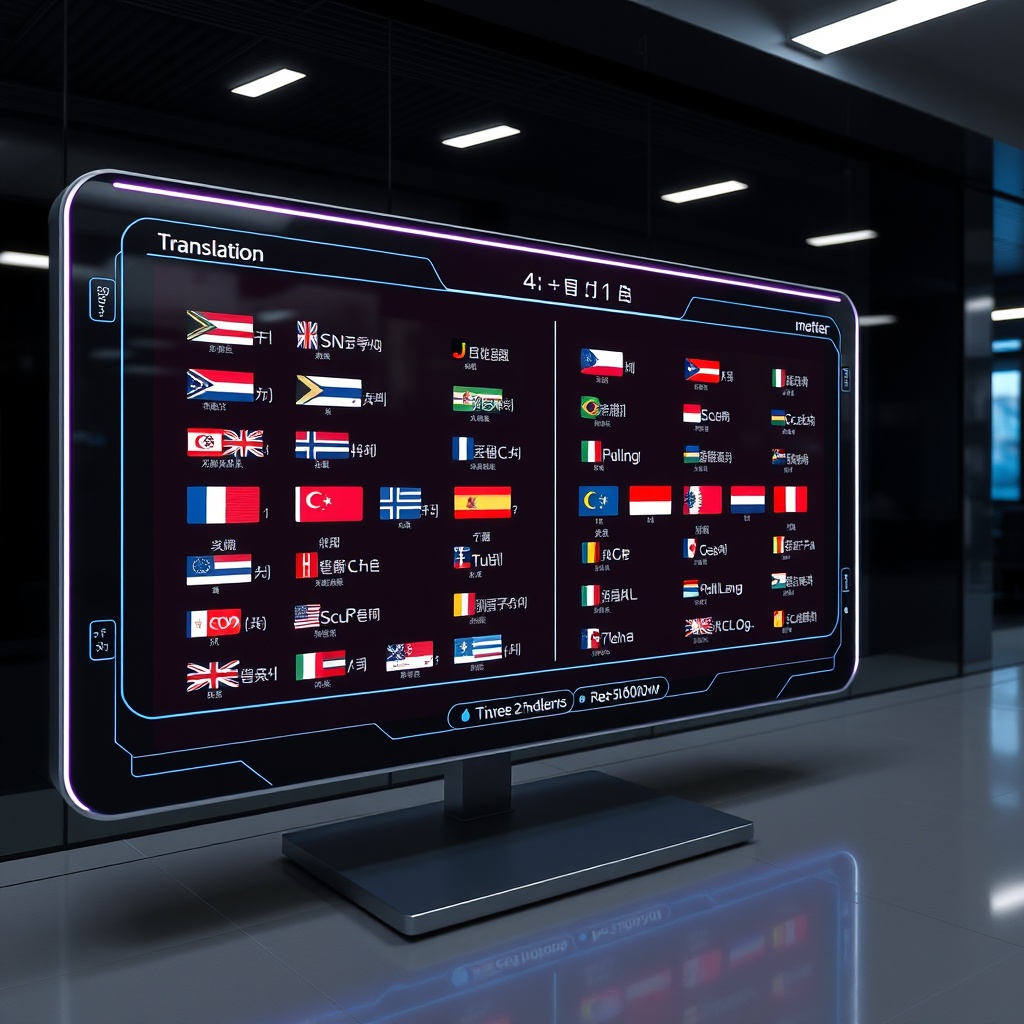
Breaking down language barriers is one of AI’s most transformative feats. With real-time translation tools, we can communicate seamlessly across languages, fostering global collaboration. Whether it’s translating documents or facilitating live conversations, AI ensures that language is no longer a hurdle. This capability is revolutionising industries like tourism, education, and international business, making the world more connected than ever before.
Breaking Language Barriers in Real-Time
AI-powered translation isn’t just about words—it’s about context and nuance. Advanced algorithms understand idiomatic expressions and cultural references, delivering translations that feel natural. This real-time functionality is invaluable in emergencies, diplomacy, and everyday interactions. We’re witnessing a world where language differences no longer divide us, thanks to AI’s ability to bridge gaps instantly and accurately.
Autonomous Vehicles and Robotics
Self-Driving Cars and Navigation
Autonomous vehicles represent a leap forward in transportation, powered by AI’s ability to process vast amounts of sensory data in real time. These systems navigate complex environments, making split-second decisions that ensure safety and efficiency. We’re moving toward a future where traffic accidents are rare, and commuting is effortless. AI doesn’t just drive cars—it redefines mobility.
Robotics in Hazardous Environments
Robots equipped with AI are transforming industries by performing tasks too dangerous for humans. From deep-sea exploration to disaster response, these machines operate in extreme conditions with precision. We rely on them to handle toxic materials, defuse bombs, and even explore other planets. AI-driven robotics extend our capabilities, allowing us to push boundaries without risking lives.
AI in Creative Processes
Generating Art and Music
AI is redefining creativity by producing art and music that resonate with human emotions. Algorithms analyse existing works to generate original pieces, blurring the line between human and machine creativity. We’re witnessing a new era where AI collaborates with artists, offering fresh perspectives and expanding artistic possibilities. This fusion of technology and artistry challenges our notions of what it means to create.
Writing and Content Creation
From drafting articles to composing poetry, AI is becoming a valuable tool in content creation. It assists writers by generating ideas, refining drafts, and even producing entire pieces. While it doesn’t replace human creativity, it enhances our ability to communicate effectively. We’re leveraging AI to streamline workflows and unlock new creative potential, ensuring that storytelling evolves alongside technology.
Medical Diagnoses and Treatments
Early Disease Detection
AI excels in identifying diseases at their earliest stages, often before symptoms manifest. By analysing vast datasets from medical imaging, genetic tests, and patient histories, AI can detect patterns invisible to the human eye. For instance, algorithms trained on mammograms can spot breast cancer with higher accuracy than radiologists. This capability not only saves lives but also reduces healthcare costs by enabling timely interventions.
Moreover, AI-driven tools like predictive analytics can forecast disease outbreaks by monitoring global health trends. Such systems empower public health officials to act preemptively, mitigating risks before they escalate. The integration of AI into diagnostics is revolutionising medicine, offering hope for conditions once deemed untreatable.
Personalised Medicine and Treatment Plans
AI tailors treatments to individual patients by considering their unique genetic makeup, lifestyle, and medical history. Unlike humans, who rely on generalised protocols, AI algorithms analyse countless variables to recommend optimal therapies. For example, oncology platforms use AI to match cancer patients with the most effective drugs, minimising side effects and improving outcomes.
This personalisation extends to chronic conditions like diabetes, where AI-powered apps adjust insulin doses in real time based on continuous glucose monitoring. By leveraging machine learning, healthcare providers can deliver precision medicine at scale, ensuring each patient receives the care they truly need.
Space Exploration and Research
Analysing Cosmic Data
AI processes astronomical data at speeds unattainable by humans, uncovering insights about the universe’s origins and composition. Telescopes like the James Webb generate petabytes of information, which AI sifts through to identify exoplanets, black holes, and other celestial phenomena. These discoveries expand our understanding of space and hint at the possibility of extraterrestrial life.
Additionally, AI aids in classifying galaxies and predicting cosmic events, such as supernovae. By automating these tasks, researchers can focus on interpreting results rather than manual analysis. The collaboration between AI and astronomers is pushing the boundaries of what we know about the cosmos.
Autonomous Spacecraft and Probes
AI enables spacecraft to operate independently in harsh, unpredictable environments. Probes like NASA’s Perseverance rover use AI to navigate Martian terrain, avoiding obstacles and selecting optimal paths without human input. This autonomy is crucial for missions where communication delays make real-time control impossible.
Beyond navigation, AI assists in scientific experiments, prioritising samples for analysis based on predefined criteria. Such capabilities ensure missions maximise their scientific return, paving the way for future explorations to distant planets and beyond.
Cybersecurity and Threat Detection
Identifying and Neutralizing Threats
AI detects cyber threats with unparalleled speed and accuracy, analysing network traffic for anomalies that indicate breaches. Unlike humans, who might overlook subtle patterns, AI systems like machine learning models can identify zero-day exploits before they cause damage. This proactive approach is essential in an era where cyberattacks grow increasingly sophisticated.
Moreover, AI automates responses to threats, isolating affected systems and deploying countermeasures in milliseconds. This rapid reaction minimises downtime and protects sensitive data, ensuring businesses and individuals remain secure in a digital world.
Predictive Security Measures
AI predicts future attacks by analysing historical data and emerging trends. By identifying vulnerabilities before they’re exploited, organisations can fortify their defences proactively. For example, AI-driven platforms assess employee behaviour to flag potential insider threats, reducing risks from within.
This predictive capability extends to phishing scams, where AI analyses email content to detect fraudulent messages. By staying one step ahead of cybercriminals, AI transforms cybersecurity from reactive to preventive, safeguarding our digital infrastructure.

Financial Market Analysis
Algorithmic Trading
AI executes trades at lightning speed, capitalising on market fluctuations invisible to human traders. By analysing historical data and real-time trends, algorithms make split-second decisions to buy or sell assets, maximising profits. This efficiency is unmatched by human traders, who are limited by cognitive and emotional biases.
Furthermore, AI adapts to changing market conditions, adjusting strategies dynamically. Whether it’s high-frequency trading or long-term investments, AI ensures optimal performance, transforming how financial markets operate.
Risk Assessment and Management
AI evaluates investment risks with precision, considering factors like market volatility, geopolitical events, and economic indicators. By simulating countless scenarios, AI provides insights that help investors make informed decisions. This reduces uncertainties and enhances portfolio resilience.
Additionally, AI monitors transactions for fraudulent activity, flagging suspicious patterns in real time. This dual role of risk assessment and fraud detection makes AI indispensable in modern finance, ensuring stability and trust in global markets.
Environmental Monitoring and Protection
Climate Change Analysis
We rely on AI to analyse vast datasets related to climate change, something humans simply cannot process at the same scale or speed. AI identifies patterns in temperature fluctuations, carbon emissions, and extreme weather events, providing insights that guide policy decisions. By leveraging machine learning, we can predict future climate scenarios with remarkable accuracy, helping us prepare for and mitigate environmental challenges.
AI also plays a crucial role in monitoring deforestation and ice melt in real-time. Satellites equipped with AI-powered sensors track changes in ecosystems, alerting us to critical shifts. This technology enables proactive measures, such as reforestation initiatives or conservation efforts, ensuring we protect our planet more effectively than ever before.
Wildlife and Habitat Monitoring
AI transforms wildlife conservation by automating the tracking of endangered species. Cameras and drones, powered by AI, identify animals in their natural habitats without human intervention. This reduces the need for invasive monitoring techniques and provides accurate population counts, helping conservationists make informed decisions.
Beyond species tracking, AI analyses habitat health by assessing factors like water quality and vegetation density. These insights allow us to intervene before ecosystems collapse. For example, AI can detect illegal logging or poaching activities, enabling timely responses to protect biodiversity. It’s a tool that amplifies our ability to safeguard the natural world.
AI in Education and Learning
Personalized Learning Experiences
AI tailors educational content to individual students, adapting to their learning styles and paces. Unlike traditional classrooms, where one-size-fits-all teaching prevails, AI-driven platforms assess strengths and weaknesses in real-time. This ensures each learner receives the support they need, whether it’s additional practice or advanced challenges.
We also see AI-powered tutors providing instant feedback on assignments, something human teachers can’t always do due to time constraints. These systems use natural language processing to understand student queries and deliver precise explanations, making learning more interactive and engaging. It’s a revolution in education, democratising access to quality instruction.
Automating Administrative Tasks
AI streamlines administrative workflows in educational institutions, freeing up time for educators to focus on teaching. Tasks like grading, attendance tracking, and scheduling are automated, reducing human error and inefficiency. This allows teachers to dedicate more energy to student engagement and lesson planning.
Additionally, AI assists in resource allocation, ensuring schools optimise budgets and staffing. For example, predictive analytics can forecast enrolment trends, helping institutions plan ahead. By handling repetitive tasks, AI empowers educators to prioritise what truly matters: fostering student growth and creativity.
The Future of AI and Human Collaboration
Enhancing Human Abilities with AI
AI doesn’t replace humans; it augments our capabilities. In fields like medicine, AI assists doctors in diagnosing diseases faster and more accurately. Similarly, in creative industries, AI tools inspire artists and writers by generating ideas or refining drafts. This collaboration allows us to achieve outcomes that were previously unimaginable.
We’re also seeing AI enhance decision-making in business and governance. By analysing trends and predicting outcomes, AI provides leaders with data-driven insights. This synergy between human intuition and machine precision ensures smarter, more informed choices, driving progress across all sectors.
Ethical Considerations and Boundaries
As AI evolves, we must address ethical dilemmas, such as privacy concerns and algorithmic bias. Ensuring transparency in AI decision-making is crucial to maintaining trust. We need frameworks that hold developers accountable while fostering innovation, balancing advancement with responsibility.
Another challenge is defining the limits of AI autonomy. While AI can operate independently in certain tasks, human oversight remains essential, especially in critical areas like healthcare and law enforcement. Striking this balance ensures AI serves humanity’s best interests without overstepping ethical boundaries.
Frequently Asked Questions
How does AI improve climate change analysis?
AI processes vast datasets on weather patterns, emissions, and ecosystem changes, identifying trends humans might miss. It predicts future scenarios, enabling proactive measures like conservation efforts or policy adjustments. This technology is indispensable for tackling environmental challenges at scale.
Can AI replace teachers in the classroom?
No, AI complements teachers by automating administrative tasks and personalising learning. While AI provides tools for efficiency and engagement, human educators remain vital for mentorship, emotional support, and fostering critical thinking skills in students.
What are the risks of AI in decision-making?
AI can perpetuate biases if trained on flawed data, leading to unfair outcomes. Over-reliance on AI without human oversight may also result in errors. Ethical frameworks and transparency are essential to mitigate these risks and ensure responsible AI use.
How does AI assist in wildlife conservation?
AI automates species tracking through cameras and drones, providing accurate population data. It also monitors habitat health, detecting threats like illegal logging. These capabilities enable timely interventions, making conservation efforts more effective and less invasive.
