
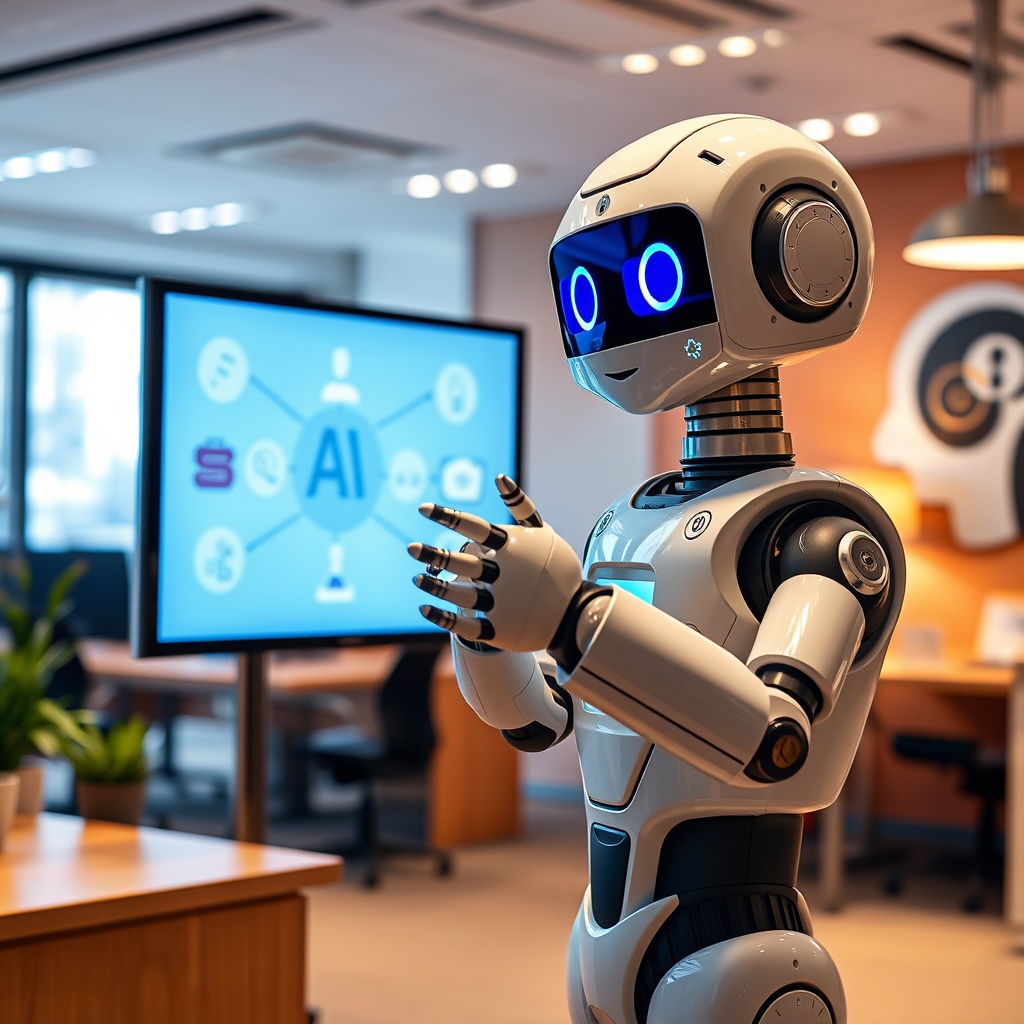
Understanding AI The Basics
Artificial Intelligence (AI) is no longer just a futuristic concept—it’s woven into our daily lives, often without us even noticing. From voice assistants to personalised recommendations, AI is the invisible force making technology smarter and more intuitive. But what exactly is AI? At its core, AI refers to machines designed to mimic human intelligence, learning from data to perform tasks that typically require human cognition.
The history of AI dates back to the mid-20th century, with pioneers like Alan Turing laying the groundwork. Over decades, advancements in computing power and algorithms have transformed AI from theoretical musings to practical applications. Today, AI systems can recognise speech, play chess, and even diagnose diseases, showcasing their growing sophistication.
What is Artificial Intelligence
AI is a branch of computer science focused on creating systems capable of performing tasks that usually require human intelligence. These tasks include problem-solving, decision-making, and language understanding. Unlike traditional software, AI systems improve over time by analysing data, a process known as machine learning. For example, AI’s future promises even more seamless integration into our lives.
AI can be narrow or general. Narrow AI excels at specific tasks, like filtering spam emails, while general AI—still theoretical—would possess human-like versatility. Currently, all practical AI applications are narrow, but researchers are inching closer to broader capabilities.
The History of AI A Brief Overview
The journey of AI began in the 1950s with the Turing Test, which challenged machines to exhibit intelligent behaviour indistinguishable from humans. The field saw waves of optimism and setbacks, known as “AI winters due to unmet expectations. However, breakthroughs in the 21st century, like deep learning, reignited interest and funding.
Today, AI is a cornerstone of modern technology, driving innovations in healthcare, finance, and entertainment. Its evolution reflects humanity’s relentless pursuit of creating machines that think, learn, and adapt—a quest that continues to shape our world.
AI vs Human Intelligence Key Differences
While AI can process vast amounts of data at lightning speed, it lacks the nuance of human intelligence. Humans excel at creativity, empathy, and abstract thinking—traits AI struggles to replicate. For instance, AI can compose music but lacks the emotional depth a human musician brings. Similarly, AI basics highlight its reliance on structured data, unlike humans who thrive in ambiguity.
Another key difference is adaptability. Humans can apply knowledge across diverse contexts, while AI operates within predefined parameters. This limitation underscores AI’s role as a tool to augment, not replace, human capabilities.
How AI Works Simplified
The Role of Data in AI
At its core, AI thrives on data. Without it, AI systems would lack the foundation to learn and make decisions. We feed AI vast amounts of information, from text and images to sensor readings, allowing it to identify patterns and correlations. This data-driven approach enables AI to predict outcomes, recognise objects, and even understand human language. The quality and quantity of data directly influence AI’s accuracy, making it a critical component in its development.
Consider how AI-powered recommendation systems analyse your browsing history to suggest products or content. These systems rely on data to personalise experiences, showcasing the transformative power of information. However, data alone isn’t enough—it must be clean, diverse, and representative to avoid biases. For more on how data shapes AI, explore our future of AI insights.
Machine Learning AI’s Learning Process
Machine learning is the engine behind AI’s ability to learn from data. Unlike traditional programming, where rules are explicitly defined, machine learning allows AI to develop its own rules through experience. We train models using algorithms that adjust based on feedback, improving over time. For instance, spam filters learn to identify unwanted emails by analysing countless examples, refining their accuracy with each iteration.
This iterative process is what makes AI adaptable. Whether it’s diagnosing diseases or optimising supply chains, machine learning empowers AI to tackle complex problems. It’s a dynamic field, constantly evolving with new techniques like deep learning. To delve deeper, check out our AI basics guide.
Neural Networks Mimicking the Human Brain
Neural networks are AI’s attempt to replicate the human brain’s structure. Composed of interconnected nodes, or “neurons these networks process information in layers, each extracting increasingly abstract features. For example, in image recognition, early layers might detect edges, while deeper layers identify shapes or objects. This hierarchical approach enables AI to handle nuanced tasks like speech recognition or autonomous driving.
The beauty of neural networks lies in their ability to learn from mistakes. By adjusting the strength of connections between neurons, they improve performance over time. This mimics how our brains refine skills through practice. For a closer look at neural networks, visit our types of AI breakdown.
Everyday Examples of AI
AI in Smartphones and Apps
Our smartphones are brimming with AI, often without us realising it. From facial recognition unlocking devices to predictive text suggestions, AI enhances convenience and functionality. Apps like Google Photos use AI to organise images by recognising faces and objects, while voice assistants like Siri rely on natural language processing to understand commands. These features seamlessly integrate into daily life, making technology more intuitive.
AI also powers health apps, tracking fitness metrics and offering personalised recommendations. Whether it’s monitoring sleep patterns or suggesting workouts, AI transforms raw data into actionable insights. For tips on leveraging AI in your projects, explore our web design resources.
Virtual Assistants Siri Alexa and Google Assistant
Virtual assistants like Siri, Alexa, and Google Assistant are perhaps the most visible examples of AI in action. These tools use a combination of speech recognition, natural language processing, and machine learning to respond to queries, set reminders, or control smart home devices. They learn from interactions, adapting to accents, preferences, and even humour, making them increasingly human-like.
The convenience they offer is undeniable, but their development involves complex algorithms and vast datasets. As they evolve, virtual assistants are becoming more proactive, anticipating needs before we articulate them. For more on AI’s role in modern technology, read our AI and humanity discussion.
AI in Online Shopping Recommendations
Ever wondered how online stores seem to know exactly what you’d like? AI-driven recommendation systems analyse your past purchases, browsing history, and even items liked by similar users to suggest products. These systems employ collaborative filtering and deep learning to personalise the shopping experience, boosting engagement and sales.
Beyond retail, AI recommendations are used in streaming services, news platforms, and social media, tailoring content to individual tastes. This level of personalisation is reshaping how we consume information and products. For insights into creating AI-enhanced platforms, visit our e-commerce guide.

The Benefits of AI in Daily Life
Enhancing Convenience and Efficiency
AI simplifies routines by automating mundane tasks, from sorting emails to managing calendars. Smart home devices adjust lighting and temperature based on preferences, while navigation apps optimise routes in real-time. These innovations save time and reduce stress, allowing us to focus on what truly matters. AI’s ability to process vast amounts of data quickly also improves decision-making, whether in personal finance or travel planning.
The ripple effects of AI-driven efficiency are felt across industries, streamlining operations and reducing costs. For businesses, this means higher productivity and better customer experiences. To explore how AI can transform your workflow, check out our digital success strategies.
AI in Healthcare Saving Lives
AI is revolutionising healthcare by enabling early diagnosis, personalised treatment, and predictive analytics. Machine learning models analyse medical images to detect conditions like cancer with remarkable accuracy, often surpassing human experts. Wearable devices monitor vital signs, alerting users and doctors to potential issues before they escalate. These advancements are saving lives and reducing healthcare costs.
Beyond diagnostics, AI assists in drug discovery, identifying potential treatments faster than traditional methods. It also powers robotic surgery, enhancing precision and reducing recovery times. For a deeper dive into AI’s healthcare potential, read this authoritative guide on AI in medicine.
AI in Education Personalized Learning
Education is becoming more inclusive and effective thanks to AI. Adaptive learning platforms tailor content to individual students, addressing strengths and weaknesses in real-time. AI tutors provide instant feedback, while chatbots answer queries outside classroom hours. These tools democratise education, making high-quality resources accessible to learners worldwide.
AI also aids educators by automating administrative tasks, allowing them to focus on teaching. From grading assignments to identifying at-risk students, AI enhances the educational experience for both teachers and learners. For insights into integrating AI into learning environments, explore our demystifying AI article.
Common Misconceptions About AI
AI Will Take Over All Jobs
Many people fear that AI will replace human jobs entirely, but this is a misconception. While AI can automate repetitive tasks, it lacks the creativity and emotional intelligence required for many roles. Instead of eliminating jobs, AI often transforms them, allowing humans to focus on more complex and meaningful work. For example, AI in the workplace is more about collaboration than replacement.
AI Can Think and Feel Like Humans
AI may mimic human behaviour, but it doesn’t possess consciousness or emotions. It operates based on algorithms and data, without understanding or experiencing feelings. This distinction is crucial when discussing AI’s capabilities. While AI can simulate conversations or recognise emotions, it doesn’t “feel” them. For a deeper dive into this topic, check out our AI basics guide.
AI is Only for Tech Companies
AI isn’t exclusive to tech giants; it’s becoming accessible to businesses of all sizes. From healthcare to retail, AI tools are being adopted across industries to improve efficiency and customer experiences. Small businesses can leverage AI for tasks like customer service or data analysis. The key is understanding how to integrate AI effectively, as explored in our business guide.
How AI Learns from Mistakes
The Importance of Feedback Loops
AI systems improve through feedback loops, where errors are identified and corrected. This process is similar to how humans learn from experience. For instance, a recommendation algorithm adjusts its suggestions based on user interactions. Continuous feedback ensures AI becomes more accurate over time. To see how this applies in real-world scenarios, read about AI’s dual impact.
Continuous Improvement in AI Systems
AI doesn’t stop evolving after deployment. Developers regularly update models with new data to enhance performance. This iterative process ensures AI remains relevant and effective. Whether it’s a chatbot or a fraud detection system, ongoing refinement is key. The goal is to create systems that adapt to changing needs, much like the diverse types of AI we use today.
The Role of Ethics in AI
Privacy Concerns with AI
AI’s reliance on data raises significant privacy issues. From facial recognition to personalised ads, the line between convenience and intrusion can blur. Ensuring transparency and consent is vital to address these concerns. Users should know how their data is used and have control over it. Ethical AI practices are essential to build trust and protect individual rights.
Bias in AI Causes and Solutions
AI systems can inherit biases from their training data, leading to unfair outcomes. For example, a hiring algorithm might favour certain demographics unintentionally. Addressing this requires diverse datasets and rigorous testing. Developers must actively work to eliminate bias, ensuring AI serves everyone equitably. Ethical AI isn’t just a goal—it’s a necessity for fair and inclusive technology.

AI in the Workplace
Automating Repetitive Tasks
AI excels at handling mundane tasks, freeing employees for strategic work. From sorting emails to managing schedules, automation boosts productivity. This shift allows teams to focus on innovation and problem-solving. For businesses, integrating AI means redefining roles rather than reducing them. The future of work lies in harmony between humans and machines.
AI and Job Creation A New Era
Contrary to fears, AI is creating new job opportunities. Roles like AI trainers and ethicists are emerging as the technology evolves. The demand for skills in AI development and management is growing rapidly. Rather than replacing jobs, AI is reshaping the workforce, offering exciting possibilities for those willing to adapt. The key is staying informed and proactive in this changing landscape.
The Future of AI
Emerging Trends in AI Technology
We are witnessing rapid advancements in AI, with trends like generative AI and quantum computing reshaping industries. Generative AI, for instance, is revolutionising content creation, while quantum computing promises unparalleled processing power. These innovations are not just theoretical; they are already being integrated into real-world applications. From healthcare to finance, AI is pushing boundaries, and we are only scratching the surface of its potential.
Another exciting trend is the rise of explainable AI, which aims to make AI decisions transparent and understandable. This is crucial for building trust, especially in sectors like law and medicine. As AI becomes more sophisticated, ethical considerations will play a pivotal role in its development. We must ensure these technologies are used responsibly, balancing innovation with accountability.
The Potential for AI in Solving Global Challenges
AI has the potential to address some of the world’s most pressing issues, from climate change to poverty. For example, AI-powered models can predict natural disasters with greater accuracy, enabling timely interventions. In agriculture, AI-driven tools optimise crop yields, helping to combat food insecurity. These applications demonstrate how AI can be a force for good, provided we harness it wisely.
However, solving global challenges requires collaboration across borders and disciplines. AI alone is not a silver bullet; it must be part of a broader strategy. We need policies that encourage innovation while safeguarding against misuse. By fostering partnerships between governments, businesses, and researchers, we can unlock AI’s full potential for humanity.
How to Interact with AI
Communicating with AI Systems
Interacting with AI has become seamless, thanks to natural language processing (NLP). Whether it’s asking a virtual assistant for the weather or using chatbots for customer support, AI understands and responds to human language. The key is clarity; simple, direct commands yield the best results. Over time, AI systems learn from interactions, becoming more intuitive and personalised.
Voice recognition is another game-changer, enabling hands-free control of devices. From smart homes to cars, AI is making life more convenient. However, privacy concerns remain, as these systems often collect vast amounts of data. We must strike a balance between convenience and security, ensuring users retain control over their information.
Setting Preferences for Personalized AI
Personalisation is at the heart of modern AI, tailoring experiences to individual preferences. Streaming services recommend content based on viewing history, while e-commerce platforms suggest products aligned with past purchases. To optimise these features, users can often adjust settings, refining how AI interprets their behaviour. This level of customisation enhances usability but requires transparency about data usage.
For businesses, personalisation drives engagement and loyalty. AI analyses customer data to deliver targeted marketing campaigns, improving conversion rates. Yet, over-reliance on algorithms can lead to echo chambers, limiting exposure to diverse perspectives. We must design AI systems that balance personalisation with serendipity, enriching user experiences without compromising diversity.
AI and Creativity
AI in Art and Music
AI is redefining creativity, generating art and music that rival human-made works. Algorithms analyse vast datasets to produce original compositions or paintings, blurring the line between man and machine. Artists are embracing AI as a tool, using it to explore new styles and techniques. This collaboration is expanding the boundaries of what’s possible, challenging traditional notions of authorship.
However, debates about authenticity and originality persist. Can AI truly create, or is it merely replicating patterns? While AI lacks human emotion, its ability to innovate is undeniable. We are entering an era where creativity is a shared endeavour between humans and machines, each complementing the other’s strengths.
Writing and Content Creation with AI
AI-powered tools are transforming content creation, from drafting articles to generating marketing copy. These tools save time and enhance productivity, allowing writers to focus on strategy and storytelling. For instance, AI-driven platforms can suggest headlines or optimise SEO, streamlining workflows. Yet, human oversight remains essential to ensure quality and authenticity.
The rise of AI in writing raises questions about the future of journalism and creative writing. While AI can produce factual reports, it struggles with nuance and context. We must view AI as an assistant rather than a replacement, leveraging its efficiency while preserving the human touch that resonates with audiences.
Understanding AI Limitations
Tasks AI Cannot Perform
Despite its advancements, AI has clear limitations. Tasks requiring empathy, moral judgment, or complex decision-making remain beyond its reach. For example, AI cannot replace therapists or judges, as these roles demand deep emotional intelligence and ethical reasoning. Similarly, creative fields like poetry or philosophy rely on human intuition and experience, areas where AI falls short.
AI also struggles with unstructured environments. While it excels in controlled settings, unpredictable scenarios—like navigating a crowded street—pose challenges. These limitations highlight the importance of human-AI collaboration, where each plays to their strengths. Understanding these boundaries helps us deploy AI effectively, avoiding unrealistic expectations.
The Dependence on Human Input
AI’s effectiveness hinges on the quality of data it receives. Biased or incomplete datasets lead to flawed outcomes, as seen in facial recognition controversies. Humans must curate and validate data, ensuring fairness and accuracy. Additionally, AI systems require continuous monitoring and updates to remain relevant. Without human oversight, AI can perpetuate errors or become obsolete.
This dependence underscores the symbiotic relationship between humans and AI. While AI enhances efficiency, it cannot operate autonomously. We must invest in education and training, equipping people with the skills to work alongside AI. By doing so, we can harness AI’s potential while mitigating its risks, creating a future where technology serves humanity.
AI in Transportation
Self-Driving Cars How They Work
Self-driving cars rely on a combination of sensors, cameras, and AI algorithms to navigate roads safely. These systems process real-time data to detect obstacles, interpret traffic signals, and make split-second decisions. The AI learns from vast datasets, improving its accuracy over time. While fully autonomous vehicles are still evolving, they promise to revolutionise travel by reducing accidents and congestion.
One of the key technologies behind self-driving cars is machine learning, which enables the vehicle to adapt to unpredictable scenarios. For instance, AI can recognise pedestrians or sudden lane changes by other drivers. Companies like Tesla and Waymo are leading the charge, integrating AI into their fleets. However, challenges like regulatory approval and public trust remain hurdles to widespread adoption.
AI in Public Transport Systems
AI is transforming public transport by optimising routes, predicting delays, and enhancing passenger experiences. Smart algorithms analyse historical and real-time data to adjust schedules dynamically. This reduces wait times and improves efficiency. For example, London’s Underground uses AI to manage train frequencies during peak hours, ensuring smoother commutes.
Beyond scheduling, AI-powered systems monitor vehicle health, predicting maintenance needs before breakdowns occur. This proactive approach saves costs and minimises disruptions. Additionally, chatbots and apps powered by AI provide travellers with real-time updates and personalised recommendations. The future of public transport lies in seamless, AI-driven solutions that prioritise convenience and sustainability.
AI for Personal Finance
AI in Budgeting and Saving
AI-powered tools like budgeting apps analyse spending patterns to offer personalised financial advice. These apps categorise expenses, identify wasteful spending, and suggest ways to save. For example, they might recommend switching to a cheaper utility provider or setting aside funds for emergencies. By learning from user behaviour, AI helps individuals make smarter financial decisions effortlessly.
Some platforms even use predictive analytics to forecast future expenses, helping users plan ahead. AI can also automate savings by rounding up purchases and investing the spare change. This hands-off approach makes financial management accessible to everyone, regardless of their expertise. As AI evolves, it will continue to democratise financial literacy and empower users to achieve their goals.
Fraud Detection and Prevention
AI plays a crucial role in safeguarding finances by detecting fraudulent activities in real time. Banks and financial institutions use machine learning to spot unusual transactions, such as sudden large withdrawals or purchases in unfamiliar locations. These systems flag suspicious activity instantly, allowing for quick intervention. This proactive measure protects users from potential losses and identity theft.
Beyond detection, AI continuously improves its accuracy by learning from past fraud cases. It adapts to new scam tactics, staying one step ahead of cybercriminals. For instance, AI can recognise phishing attempts or fake websites designed to steal sensitive information. By integrating AI into security protocols, financial services ensure a safer, more trustworthy experience for their customers.
Getting Started with AI
Simple Ways to Experience AI
You don’t need to be a tech expert to interact with AI. Start by using virtual assistants like Siri or Alexa for daily tasks, such as setting reminders or playing music. These tools showcase AI’s ability to understand and respond to natural language. Another easy way is to explore AI-powered apps, like photo editors that enhance images automatically or fitness trackers that personalise workout plans.
For a deeper dive, try platforms like Google’s Teachable Machine, which lets you create simple AI models without coding. These hands-on experiences demystify AI and highlight its practical applications. Whether it’s through smart home devices or AI-driven recommendations, integrating AI into your routine is simpler than you might think.
Resources for Learning More About AI
If you’re curious about AI, numerous resources cater to beginners. Online courses from platforms like Coursera or Udemy offer structured lessons on AI fundamentals. Books like “Artificial Intelligence: A Guide for Thinking Humans” provide accessible insights into the field. Additionally, podcasts and YouTube channels break down complex topics into digestible content.
For hands-on learners, coding bootcamps or local workshops can be invaluable. These environments foster collaboration and practical skill-building. Don’t forget to explore AI basics to build a solid foundation. The key is to start small and gradually expand your knowledge, leveraging the wealth of information available at your fingertips.
Frequently Asked Questions
How does AI improve public transport systems?
AI enhances public transport by optimising routes, predicting delays, and monitoring vehicle health. It analyses data to adjust schedules dynamically, reducing wait times. Additionally, AI-powered apps provide real-time updates, improving the overall passenger experience. These innovations make public transport more efficient and reliable.
Can AI really help me save money?
Yes, AI-powered budgeting apps analyse your spending habits and offer personalised savings tips. They can automate savings, round up purchases, and even predict future expenses. By providing actionable insights, AI makes financial management easier and more effective, helping you achieve your financial goals.
Is AI in self-driving cars safe?
AI in self-driving cars is designed with safety in mind, using sensors and algorithms to navigate roads. While the technology is still evolving, it has the potential to reduce accidents caused by human error. However, challenges like regulatory approval and public trust must be addressed before widespread adoption.
How can I start learning about AI?
Begin with beginner-friendly resources like online courses, books, or podcasts. Platforms like Coursera offer structured lessons, while tools like Google’s Teachable Machine provide hands-on experience. Joining local workshops or coding bootcamps can also accelerate your learning. The key is to start small and build your knowledge gradually.
