

Understanding Siri and AI
What is Siri
Siri, Apple’s voice-activated assistant, has become a household name since its debut in 2011. Designed to simplify tasks, Siri responds to voice commands, sets reminders, sends messages, and even controls smart home devices. But is Siri truly artificial intelligence? To answer that, we must first understand what AI entails. Siri’s ability to interpret and respond to human speech is impressive, but it’s only part of the AI puzzle.
At its core, Siri is a sophisticated program that processes language and retrieves information. It relies on pre-programmed responses and machine learning to improve over time. While it mimics human interaction, Siri lacks the self-awareness or creativity often associated with AI. For a deeper dive into AI’s role in modern technology, check out our future of AI article.
Defining Artificial Intelligence
Artificial intelligence refers to machines designed to perform tasks that typically require human intelligence. These include problem-solving, learning, and decision-making. AI systems can range from simple algorithms to complex neural networks. Unlike traditional software, AI adapts and evolves based on data inputs, making it more dynamic and versatile.
However, not all AI is created equal. Narrow AI, like Siri, excels at specific tasks but lacks general intelligence. True AI, or artificial general intelligence (AGI), remains theoretical. For now, Siri represents a practical application of narrow AI, blending convenience with cutting-edge technology. To explore how AI is transforming industries, visit our AI basics guide.
The Relationship Between Siri and AI
Siri’s functionality is a testament to AI’s potential, but it’s not a standalone intelligence. It combines natural language processing (NLP), machine learning, and vast datasets to deliver accurate responses. Over time, Siri learns from user interactions, refining its accuracy and expanding its capabilities. This iterative improvement is a hallmark of AI systems.
Yet, Siri’s limitations reveal the boundaries of current AI. It can’t reason abstractly or understand context beyond its programming. While it’s a powerful tool, Siri is more of a digital assistant than a sentient being. The gap between Siri and true AI highlights the challenges and opportunities in the field.
The Technology Behind Siri
How Siri Processes Language
When I ask Siri a question, it doesn’t just recognise words—it understands context. Using natural language processing (NLP), Siri breaks down my query into meaningful components. This involves parsing grammar, identifying intent, and even detecting nuances like sarcasm. The system then matches my request to predefined commands or generates a response using vast databases. It’s a seamless blend of linguistics and computational power.
Behind the scenes, Siri relies on machine learning to improve its accuracy. Every interaction I have helps refine its algorithms, making future responses more precise. This continuous learning loop ensures Siri adapts to my speech patterns and preferences. Whether I’m asking for weather updates or setting reminders, the technology works tirelessly to deliver accurate results, often in milliseconds.
The Role of Machine Learning in Siri
Machine learning is the backbone of Siri’s intelligence. By analysing vast datasets, it identifies patterns and predicts my needs. For example, if I frequently ask for traffic updates at 8 AM, Siri might proactively suggest them. This predictive capability stems from supervised learning, where human input trains the system. Over time, Siri’s responses become more personalised and context-aware.
Deep learning models, like neural networks, enable Siri to handle complex tasks. These models mimic the human brain, processing layers of information to make decisions. Whether translating languages or recognising my voice in a noisy room, Siri’s machine learning ensures reliability. It’s a testament to how far AI has come—transforming raw data into meaningful interactions.
Siri’s Capabilities and Limitations
What Siri Can Do
Siri excels at simplifying daily tasks. From sending texts to controlling smart home devices, it’s my go-to assistant. Voice commands let me multitask effortlessly—playing music while cooking or setting alarms without touching my phone. Siri also integrates with third-party apps, booking rides or ordering food with a simple request. Its versatility makes it indispensable in my routine.
Beyond convenience, Siri offers accessibility features. For users with disabilities, voice commands provide independence. Dictation tools help compose emails, while screen readers rely on Siri’s voice output. These features highlight how AI can bridge gaps, making technology inclusive. Whether for productivity or accessibility, Siri’s capabilities are transformative.
Understanding Siri’s Limitations
Despite its strengths, Siri isn’t flawless. Complex queries often stump it, requiring precise phrasing. For instance, multi-step commands like “Remind me to call Mum after I leave work” might confuse Siri. Its reliance on internet connectivity also limits functionality in offline scenarios. These gaps remind me that AI, while advanced, still has room to grow.
Privacy concerns add another layer of limitation. Siri processes data on Apple’s servers, raising questions about security. While Apple emphasises encryption, the trade-off between convenience and privacy is palpable. Understanding these boundaries helps me use Siri more effectively, balancing its benefits with awareness of its shortcomings.
Comparing Siri to Other AI Assistants
Siri vs Google Assistant
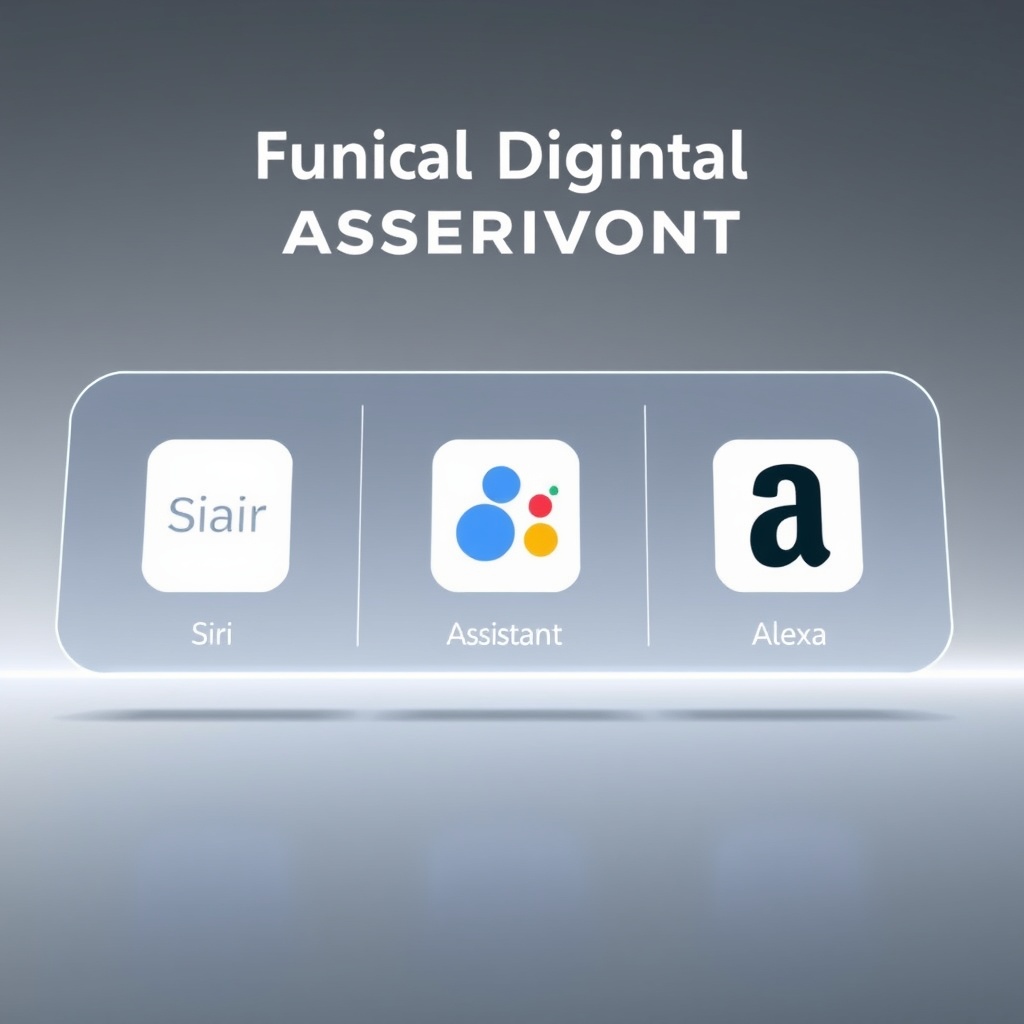
When comparing Siri to Google Assistant, the differences are stark. Google Assistant leverages Google’s search prowess, delivering detailed answers to obscure questions. Its integration with Android devices and Google services creates a seamless ecosystem. Siri, on the other hand, shines in Apple’s walled garden, offering tighter hardware-software synergy but fewer third-party integrations.
Voice recognition is another battleground. Google Assistant’s accuracy in noisy environments often surpasses Siri’s. However, Siri’s privacy-focused approach appeals to users wary of data mining. Both assistants have strengths, but the choice hinges on priorities—search power versus ecosystem loyalty.
Siri vs Amazon Alexa
Amazon Alexa dominates the smart home space, with thousands of compatible devices. Its skills ecosystem lets users customise functionality, from ordering groceries to playing trivia. Siri, while capable, lags in third-party support. Alexa’s far-field microphones also outperform Siri in detecting voice commands across large rooms.
Yet, Siri’s integration with Apple devices gives it an edge for iPhone users. Features like Handoff and continuity make it a natural choice within the Apple ecosystem. Alexa excels in breadth, but Siri’s depth within its niche is unmatched. The decision boils down to whether smart home versatility or Apple-centric convenience matters more.
The Evolution of Siri
Siri’s Development Over Time
When Siri first launched in 2011, it was a groundbreaking addition to the iPhone 4S. Over the years, Apple has refined its capabilities, integrating deeper with iOS and expanding its functionality. From simple voice commands to complex interactions, Siri has evolved into a more intuitive assistant. Its development reflects Apple’s commitment to blending AI with user-friendly design, making it a staple for millions.
Early versions of Siri struggled with contextual understanding, but advancements in machine learning have significantly improved its accuracy. Today, Siri can handle multilingual queries, recognise user habits, and even suggest actions proactively. This evolution showcases how far AI has come in just over a decade, and it hints at even more exciting possibilities for the future.
Future Prospects for Siri
The future of Siri lies in its ability to become even more personalised and predictive. With Apple’s focus on privacy, Siri’s learning algorithms are designed to work on-device, ensuring user data remains secure. This approach could set a new standard for AI assistants, balancing intelligence with ethical considerations. Imagine Siri anticipating your needs before you even ask, seamlessly integrating into your daily routine.
Apple’s investments in AR and IoT also suggest Siri will play a central role in smart homes and wearable tech. From controlling your thermostat to guiding you through augmented reality experiences, Siri’s potential is vast. As AI technology advances, Siri could become less of a tool and more of a trusted companion, redefining how we interact with our devices.
How Siri Learns from Users
Personalization Features
Siri’s ability to learn from users is one of its most impressive features. By analysing your habits, preferences, and frequent requests, it tailors responses to suit your needs. For example, if you often ask for traffic updates in the morning, Siri might start providing them automatically. This personalization makes the assistant feel more intuitive and less like a robotic tool.
Apple’s emphasis on privacy ensures this learning happens on your device, not on remote servers. This means your data stays with you, a feature that sets Siri apart from competitors. While this approach limits some cloud-based learning, it strikes a balance between convenience and security, making Siri a trusted ally in your digital life.
Privacy Concerns and Data Usage
Despite its benefits, Siri’s learning capabilities raise valid privacy concerns. Users often wonder how much of their data is being stored or shared. Apple addresses this by anonymising data and allowing users to delete their Siri history. These measures aim to build trust, but they also highlight the broader ethical challenges of AI development.
Transparency is key. Apple provides clear explanations of how Siri uses data, but users must stay informed to make conscious choices. As AI becomes more embedded in our lives, understanding these trade-offs will be crucial. Siri’s approach offers a glimpse into how tech companies can prioritise user privacy without sacrificing functionality.
Integrating Siri into Daily Life
Practical Uses of Siri
Siri excels at simplifying everyday tasks. From setting reminders and sending messages to playing your favourite playlist, it handles these with ease. For busy professionals, Siri can schedule meetings, draft emails, or even provide quick translations. Its versatility makes it a valuable tool for anyone looking to streamline their routine.
Beyond basic commands, Siri integrates with third-party apps, expanding its utility. Whether you’re ordering food or booking a ride, Siri can act as a middleman, saving you time. This seamless integration is a testament to how AI can enhance productivity, turning your phone into a personal assistant that’s always ready to help.
Enhancing Productivity with Siri
For those juggling multiple responsibilities, Siri can be a game-changer. Voice-activated shortcuts allow you to automate repetitive tasks, like logging workouts or tracking expenses. These small efficiencies add up, freeing mental space for more important decisions. Siri’s ability to work across Apple devices also ensures continuity, whether you’re on your iPhone, iPad, or Mac.
The key to maximising Siri’s potential lies in exploring its features. Many users only scratch the surface, missing out on advanced capabilities like scripting custom commands. By investing a little time to learn, you can unlock a tool that not only saves time but also adapts to your unique workflow.
The Science of Voice Recognition
How Voice Recognition Works
Voice recognition technology is the backbone of Siri’s functionality. It begins with acoustic modelling, where your voice is converted into digital signals. These signals are then analysed for phonetic patterns, which are matched against a vast database of words and phrases. Machine learning refines this process over time, improving accuracy as Siri learns your speech patterns and accent.
Natural language processing (NLP) takes it a step further, enabling Siri to understand context and intent. This is why Siri can differentiate between “Call Mum” and “Text Mum even if the phrases sound similar. The combination of these technologies creates a system that feels almost human, bridging the gap between spoken language and digital action.
Challenges in Voice Recognition Technology
Despite its advancements, voice recognition isn’t flawless. Accents, background noise, and ambiguous phrasing can trip up even the most sophisticated systems. Siri sometimes misinterprets commands, leading to frustrating moments. These challenges highlight the complexity of human speech and the ongoing work needed to perfect AI-driven assistants.
Another hurdle is inclusivity. Voice recognition must adapt to diverse dialects and speech impairments to be truly universal. Companies like Apple are investing in research to address these gaps, but progress is incremental. As Siri evolves, overcoming these obstacles will be critical to making it accessible to everyone, everywhere.
Siri and the Internet of Things IoT
Controlling Smart Devices with Siri
We often think of Siri as a voice assistant for our iPhones, but its capabilities extend far beyond. With the rise of smart homes, Siri has become a central hub for controlling IoT devices. From adjusting thermostats to turning off lights, Siri integrates seamlessly with platforms like HomeKit. This convenience transforms our living spaces into responsive environments, all through simple voice commands.
Imagine walking into a room and saying Hey Siri, dim the lights.” The immediacy of this interaction highlights how AI bridges the gap between humans and technology. However, compatibility remains a limitation. Not all smart devices support Siri, which can be frustrating. For those invested in Apple’s ecosystem, though, the experience is unparalleled, blending cloud computing with everyday life.
The Future of Siri in IoT
The potential for Siri in IoT is vast. As more devices become interconnected, Siri could evolve into a universal controller for everything from kitchen appliances to security systems. Apple’s focus on privacy adds a layer of trust, ensuring our data isn’t misused. Yet, the challenge lies in standardisation. Without broader industry collaboration, Siri’s role in IoT may remain niche.
Looking ahead, we might see Siri predicting our needs before we voice them. Imagine your coffee machine starting as soon as your alarm goes off. Such advancements rely on deeper AI integration, something Apple is undoubtedly working on. For now, Siri’s IoT capabilities are impressive but still in their infancy, hinting at a future where our homes are truly smart.
Programming and Customizing Siri
Introduction to Siri Shortcuts
Siri Shortcuts empower us to tailor Siri to our routines. By creating custom voice commands, we can automate tasks like sending messages or playing our favourite playlist. This feature taps into the broader trend of personalisation in tech, making Siri feel more like a personal assistant than a generic tool. The Shortcuts app is intuitive, allowing even non-programmers to craft commands.
For example, a “Good morning” shortcut could fetch the weather, read the news, and start brewing coffee—all with one phrase. This level of customisation showcases how AI can adapt to individual lifestyles. Yet, the learning curve exists. While the app simplifies the process, mastering it requires time. Still, the payoff is worth it, turning Siri into a powerful productivity tool.
Creating Custom Commands
Beyond pre-set shortcuts, we can design complex workflows. For instance, a “Work mode” command might silence notifications, open a project file, and set a timer. This flexibility is where Siri shines, blending AI with user creativity. However, limitations persist. Some apps don’t support shortcuts, and advanced commands may require scripting knowledge, which can deter casual users.
Apple’s commitment to improving Shortcuts is evident in regular updates. Each iteration adds functionality, making Siri more versatile. For businesses, this means opportunities to streamline operations. Imagine a retail employee using Siri to check inventory hands-free. The possibilities are endless, but they hinge on Apple’s continued investment in AI development.
The Impact of Siri on Society
Changing How We Interact with Technology
Siri has redefined our relationship with devices. Voice commands feel more natural than typing, especially for tasks like setting reminders or making calls. This shift reflects a broader move toward conversational interfaces, where technology understands us, not the other way around. For many, Siri is the first introduction to AI, demystifying complex tech through everyday use.
Yet, this convenience comes with trade-offs. Reliance on voice assistants can erode basic skills, like spelling or navigation. There’s also the risk of over-dependence, where we struggle without Siri’s help. Balancing convenience with self-sufficiency is a societal challenge, one that will grow as AI becomes more embedded in our lives.
The Social Implications of AI Assistants
AI assistants like Siri influence social dynamics. They normalise talking to machines, which can feel isolating or impersonal. On the flip side, they aid those with disabilities, offering independence through voice control. This duality underscores the need for ethical design—AI should enhance, not replace, human connections.
Privacy concerns also loom large. Siri’s ability to learn from us raises questions about data security. While Apple emphasises encryption, the broader implications of AI listening in are unsettling. As society grapples with these issues, transparency from developers is crucial. We must ensure AI serves humanity, not the other way around.
Debunking Myths About Siri and AI
Common Misconceptions
One myth is that Siri is “just” a voice recorder. In reality, it’s a sophisticated AI combining natural language processing and machine learning. Another misconception is that Siri listens constantly. While it waits for a wake word, recordings aren’t stored indefinitely. Apple’s privacy measures are robust, though not infallible. Understanding these nuances helps us use Siri more effectively.
Some believe Siri can replace human intuition. While it excels at tasks like scheduling, it lacks emotional intelligence. This distinction is vital—AI complements, not replicates, human judgment. Recognising Siri’s limits prevents unrealistic expectations, fostering a healthier relationship with technology.
The Reality of AI’s Capabilities
AI, including Siri, is a tool, not a sentient being. It processes data to mimic understanding, but it doesn’t “think.” This distinction is often blurred in popular culture, leading to exaggerated fears or hopes. For instance, Siri can’t “take over” your phone—it operates within strict parameters set by Apple.
Yet, AI’s potential is undeniable. From basic tasks to complex problem-solving, it augments human abilities. The key is leveraging it wisely, understanding both its power and its limits. As AI evolves, so must our awareness, ensuring we harness its benefits without falling for hype or fear.
Siri in the Business World
Siri for Business Efficiency
In the fast-paced business environment, Siri has become a valuable tool for enhancing efficiency. From scheduling meetings to setting reminders, Siri streamlines administrative tasks, allowing professionals to focus on strategic priorities. Its integration with productivity apps like business tools ensures seamless workflow management. By reducing manual input, Siri saves time and minimises errors, making it indispensable for modern enterprises.
Beyond basic tasks, Siri’s voice recognition capabilities enable hands-free operation, ideal for multitasking professionals. Whether dictating emails or conducting quick searches, Siri adapts to diverse business needs. Its ability to learn user preferences further personalises the experience, ensuring relevance. For businesses, this translates to improved productivity and a competitive edge in an increasingly digital landscape.
Case Studies of Siri in Enterprises
Several enterprises have leveraged Siri to transform operations. For instance, retail giants use Siri to manage inventory queries, while healthcare providers rely on it for patient data retrieval. These applications highlight Siri’s versatility across industries. A notable example is its integration with cloud computing systems, enabling real-time data access and collaboration.
Case studies also reveal Siri’s role in customer service, where it powers chatbots and virtual assistants. By handling routine inquiries, Siri frees human agents for complex issues, enhancing service quality. Such implementations demonstrate how AI-driven tools like Siri are reshaping business models, driving innovation, and fostering growth in the digital age.
The Ethical Considerations of Siri
AI Ethics and Privacy
As Siri becomes more embedded in daily life, ethical concerns around privacy and data security emerge. Siri collects vast amounts of user data to improve functionality, raising questions about consent and transparency. Businesses must navigate these challenges while ensuring compliance with regulations like GDPR. The balance between personalisation and privacy remains a critical issue for AI developers and users alike.
Transparency in data usage is essential to build trust. Users should understand how their information is processed and stored. Ethical AI practices, such as anonymising data and providing opt-out options, can mitigate risks. By addressing these concerns, businesses can harness Siri’s potential responsibly, fostering a culture of accountability in AI adoption.
The Responsibility of AI Developers
AI developers bear the responsibility of creating ethical and unbiased systems. Siri’s algorithms must avoid perpetuating stereotypes or discrimination, ensuring fairness in interactions. This requires diverse training datasets and continuous monitoring. Developers must also prioritise user safety, preventing misuse of AI for malicious purposes.
The role of developers extends to educating users about Siri’s capabilities and limitations. By fostering awareness, they empower users to make informed decisions. Ethical AI development is not just a technical challenge but a moral imperative, shaping the future of technology in a way that benefits society as a whole.
Enhancing Siri’s Performance
Tips for Better Siri Responses
To optimise Siri’s performance, users should speak clearly and use concise commands. Background noise can interfere with accuracy, so a quiet environment is ideal. Regularly updating iOS ensures access to the latest features and improvements. Customising Siri’s settings, such as language preferences, also enhances responsiveness.
Another tip is to provide context when issuing commands. For example, specifying “Send an email to John about the meeting” yields better results than vague requests. Users can also train Siri by correcting misunderstandings, refining its understanding over time. These small adjustments significantly improve Siri’s reliability and user experience.
Troubleshooting Common Siri Issues
Common Siri issues include unresponsiveness or incorrect interpretations. Restarting the device often resolves minor glitches. Checking internet connectivity is crucial, as Siri relies on cloud-based processing. If Siri fails to recognise voice commands, reconfiguring microphone settings or retraining voice recognition may help.
For persistent problems, resetting Siri’s settings or reinstalling iOS can be effective. Users should also ensure their device’s software is up to date. By addressing these issues proactively, users can maintain Siri’s functionality and enjoy a seamless AI assistant experience.
Frequently Asked Questions
How does Siri improve business productivity?
Siri enhances productivity by automating tasks like scheduling, reminders, and data retrieval. Its integration with business tools streamlines workflows, reducing manual effort. Voice commands enable hands-free operation, ideal for multitasking professionals. Over time, Siri learns user preferences, offering personalised assistance that saves time and minimises errors.
What are the privacy concerns with Siri?
Siri collects user data to improve functionality, raising concerns about consent and security. Businesses must ensure compliance with privacy regulations like GDPR. Transparency in data usage and anonymisation practices can mitigate risks. Users should review privacy settings and opt-out options to protect their information while enjoying Siri’s benefits.
Can Siri be customised for specific business needs?
Yes, Siri can be customised using shortcuts and integrations with business apps. Developers can create tailored commands for specific workflows, enhancing efficiency. For example, Siri can be programmed to generate reports or manage inventory queries. This flexibility makes Siri adaptable to diverse industry requirements.
How does Siri compare to other AI assistants in business settings?
Siri competes with assistants like Google Assistant and Alexa, each with unique strengths. While Siri excels in Apple ecosystem integration, others may offer broader third-party compatibility. Businesses should evaluate features like AI advancements and ease of integration to choose the best fit for their needs.
