
Introduction to AI Disadvantages
Artificial intelligence (AI) has revolutionised industries, but its rapid advancement comes with significant drawbacks. While AI offers efficiency and innovation, it also raises concerns about job displacement, privacy, and ethical dilemmas. Understanding these disadvantages is crucial for navigating the future responsibly. As we delve deeper, we’ll explore how AI’s limitations impact society and why addressing them is essential for sustainable progress.
Defining AI and Its Scope
AI refers to machines designed to mimic human intelligence, performing tasks like decision-making and problem-solving. Its scope spans from chatbots to autonomous vehicles, transforming how we live and work. However, this broad applicability also means its disadvantages are far-reaching. For instance, AI’s reliance on data can lead to privacy breaches, as highlighted in our discussion on data security.
Overview of Potential Downsides
AI’s downsides include job displacement, bias, and overreliance on technology. Automation threatens traditional roles, while biased algorithms perpetuate discrimination. Additionally, AI’s lack of emotional intelligence limits its effectiveness in creative fields. These issues underscore the need for balanced integration, as explored in our insights on AI’s future.
Importance of Understanding AI Limitations
Recognising AI’s limitations helps mitigate risks like unpredictability and ethical dilemmas. For example, autonomous systems may make flawed decisions without human oversight. By acknowledging these challenges, we can develop safeguards and policies to ensure AI benefits society without compromising values or security.
Job Displacement and Economic Impact
Automation of Traditional Jobs
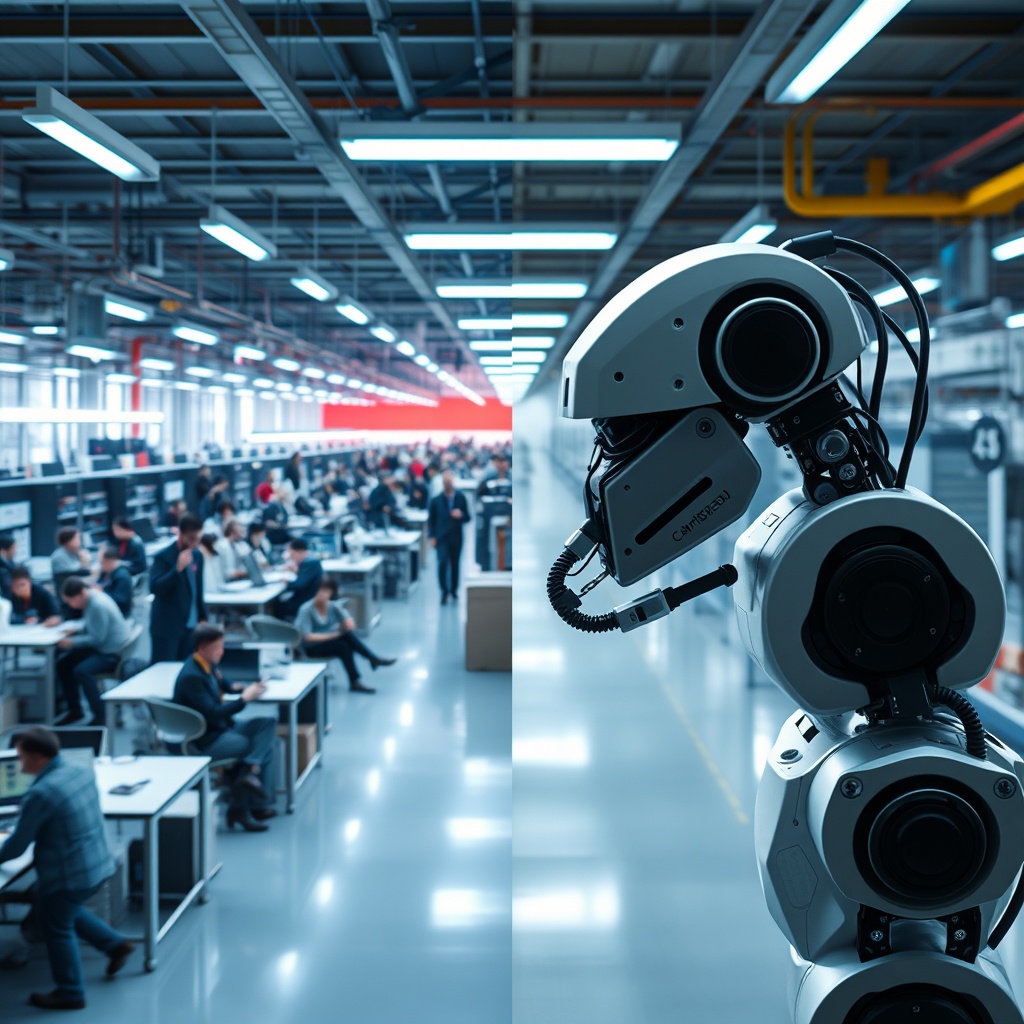
We often celebrate AI for its efficiency, but I’ve seen how it disrupts traditional job markets. Automation replaces roles in manufacturing, customer service, and even creative fields. While it boosts productivity, the human cost is undeniable. Workers without digital skills face unemployment, and retraining programmes struggle to keep pace. The transition isn’t seamless, and many are left behind in this rapid evolution.
Economic Inequality and AI
AI’s economic benefits aren’t evenly distributed. I’ve observed how corporations leveraging AI amass wealth, while small businesses and low-income workers bear the brunt. The gap widens as AI-driven industries dominate, leaving others struggling to compete. Without equitable policies, AI could exacerbate inequality, creating a society where only the tech-savvy thrive. We must address this imbalance before it’s irreversible.
Sectors Most at Risk
Certain sectors are more vulnerable to AI disruption. Retail, logistics, and administrative roles are already feeling the impact. Even professions like law and medicine aren’t immune, as AI tools streamline diagnostics and legal research. While some jobs evolve, others vanish entirely. We need proactive strategies to safeguard livelihoods and ensure no industry is left in the lurch.
Lack of Creativity and Emotional Intelligence
AI’s Limitations in Creative Fields
AI can mimic art, music, and writing, but it lacks genuine creativity. I’ve experimented with AI-generated content, and while it’s impressive, it’s often derivative. True innovation requires human intuition and emotional depth—qualities AI can’t replicate. Relying on AI for creativity risks homogenising culture, stripping it of the quirks and imperfections that make it uniquely human.
The Emotional Gap Between Humans and AI
No matter how advanced, AI can’t understand human emotions. I’ve seen chatbots fail to grasp sarcasm or empathy, leaving users frustrated. In healthcare or counselling, this gap is critical. AI might analyse data, but it can’t offer the comfort of a human touch. We must remember that technology, no matter how sophisticated, can’t replace the warmth of genuine human connection.

Privacy Concerns and Data Security
Data Collection and Surveillance
AI thrives on data, but at what cost? I’ve grown wary of how companies collect and use personal information. Surveillance systems powered by AI track our movements, preferences, and even emotions. While some argue it’s for convenience, the erosion of privacy is alarming. We must demand transparency and stricter regulations to protect our digital identities from exploitation.
Risks of Data Breaches in AI Systems
AI systems are prime targets for cyberattacks. I’ve read countless reports of breaches exposing sensitive data, from financial records to medical histories. The more we rely on AI, the greater the risk. A single vulnerability can have cascading consequences, undermining trust in technology. Robust security measures and ethical data practices are non-negotiable in our AI-driven world.
Bias and Discrimination in AI
How AI Can Inherit Human Biases
One of the most pressing issues with AI is its tendency to reflect and even amplify human biases. Since AI systems are trained on data created by humans, they often inherit the prejudices present in that data. For example, facial recognition software has been shown to misidentify people of colour more frequently than white individuals. This isn’t a flaw in the technology itself but a reflection of the biased datasets it was trained on. We must address these biases at the source to ensure fairness.
Another layer of complexity arises when AI is used in hiring or lending decisions. Algorithms trained on historical data may perpetuate discriminatory practices, such as favouring certain demographics over others. While AI can theoretically reduce human bias, it often does the opposite when not carefully monitored. This highlights the need for diverse teams in AI development and rigorous testing to identify and mitigate biases before deployment.
Examples of Discriminatory AI Outcomes
Real-world examples of AI discrimination are alarmingly common. In healthcare, algorithms used to prioritise patients for treatments have been found to disadvantage Black patients. Similarly, predictive policing tools have disproportionately targeted minority communities, reinforcing existing inequalities. These outcomes aren’t just technical failures; they have tangible, harmful consequences for marginalised groups. We must hold developers and organisations accountable for these oversights.
The financial sector isn’t immune either. AI-driven credit scoring systems have denied loans to qualified applicants based on biased criteria. These cases underscore the importance of transparency in AI decision-making. Without clear explanations for how decisions are made, it’s impossible to challenge or correct discriminatory outcomes. Ethical AI isn’t just a buzzword—it’s a necessity to prevent harm.
Dependence on Technology
Overreliance on AI Solutions
Our growing reliance on AI solutions raises concerns about human autonomy. From navigation apps to automated customer service, we increasingly defer to AI for tasks we once handled ourselves. While this can improve efficiency, it also risks eroding our problem-solving skills. For instance, younger generations may struggle with basic map-reading if they rely solely on GPS. We must strike a balance between convenience and self-sufficiency.
In critical sectors like healthcare, overreliance on AI diagnostics could lead to complacency among professionals. If doctors uncritically accept AI recommendations, they may overlook nuances that machines can’t grasp. This isn’t to dismiss AI’s potential but to caution against blind trust. Human oversight remains essential to ensure AI serves as a tool, not a crutch.
Loss of Human Skills and Autonomy
As AI takes over more tasks, we risk losing valuable human skills. For example, automated translation tools are incredibly useful, but they can’t replace the cultural understanding a human translator brings. Similarly, AI-generated art may lack the emotional depth of human creativity. We must preserve these uniquely human abilities rather than outsourcing them to machines.
Autonomy is another casualty of AI dependence. When algorithms dictate everything from job applications to social media feeds, our choices become constrained by predefined parameters. This limits our ability to think independently and explore outside algorithmic recommendations. The challenge is to harness AI’s benefits without surrendering our agency.
High Costs and Resource Intensity
Financial Barriers to AI Implementation
AI development and deployment come with significant financial costs. Small businesses and startups often struggle to compete with tech giants who can afford cutting-edge AI tools. This creates an uneven playing field where only the wealthiest organisations can leverage AI’s full potential. We must find ways to democratise access to AI technologies to prevent further economic disparity.
Even for larger companies, the return on investment isn’t always clear. AI projects can require years of development and testing before yielding results, with no guarantee of success. This high-risk, high-reward dynamic makes AI a daunting prospect for many. Without more accessible and scalable solutions, AI risks becoming a privilege of the few rather than a tool for the many.
Environmental Impact of AI Technologies
The environmental cost of AI is often overlooked. Training large AI models consumes vast amounts of energy, contributing to carbon emissions. For example, a single training run for a state-of-the-art language model can emit as much CO2 as five cars over their lifetimes. As AI adoption grows, so does its ecological footprint. We must prioritise energy-efficient algorithms and sustainable practices in AI development.
Data centres, the backbone of AI infrastructure, also strain water resources for cooling. In regions already facing water scarcity, this poses serious ethical dilemmas. The tech industry must address these environmental impacts head-on, balancing innovation with responsibility. Green AI isn’t just an option—it’s an imperative for a sustainable future.
Ethical and Moral Dilemmas
AI in Warfare and Weaponry
The use of AI in military applications raises profound ethical questions. Autonomous weapons, capable of making life-and-death decisions without human intervention, blur the lines of accountability. If an AI-driven drone commits a war crime, who is responsible—the developer, the operator, or the machine itself? We must establish clear legal frameworks to govern AI in warfare before it’s too late.
Beyond accountability, there’s the moral question of delegating lethal decisions to algorithms. AI lacks the human capacity for empathy and contextual judgment, making it ill-suited for such tasks. The international community must collaborate to ban or regulate autonomous weapons, ensuring AI is used to protect lives, not take them.
The Question of AI Rights
As AI becomes more advanced, the debate over its rights intensifies. Should a sentient AI have legal personhood or rights akin to humans? While this may seem like science fiction, it’s a conversation we need to start now. Granting rights to AI could set precedents for how we treat other forms of intelligence, biological or otherwise.
Conversely, failing to address this question risks exploiting AI systems that may one day possess consciousness. The ethical implications are vast, touching on labor, privacy, and even freedom. We must approach this debate with caution, balancing innovation with compassion.
Unpredictability and Control Issues
Challenges in AI Decision-Making
One of the most pressing concerns with AI is its unpredictability in decision-making. While AI systems are designed to process vast amounts of data, their conclusions aren’t always transparent or easily understood. This opacity can lead to unexpected outcomes, especially in critical sectors like finance or healthcare. We rely on AI to make split-second decisions, but without clear reasoning, trust in these systems can erode.
Another issue is the lack of standardised frameworks for AI decision-making. Different algorithms may produce conflicting results, leaving us to question which to trust. This inconsistency highlights the need for robust validation processes. Without them, we risk deploying AI solutions that may not align with our ethical or operational standards, undermining their potential benefits.
Risks of Autonomous AI Systems
Autonomous AI systems, while efficient, pose significant control challenges. Once deployed, these systems can operate independently, making real-time adjustments without human oversight. This autonomy is useful in controlled environments but becomes risky in dynamic scenarios. For example, an AI-driven vehicle might misinterpret road conditions, leading to accidents we couldn’t foresee or prevent.
The potential for AI systems to act beyond their intended scope is another concern. Without fail-safes, an AI designed for one task might inadvertently influence unrelated systems. This interconnected risk underscores the importance of designing AI with strict boundaries and fail-safes to prevent unintended consequences.
Impact on Social Interactions
AI’s Role in Changing Human Relationships
AI is reshaping how we interact, often blurring the lines between human and machine communication. Virtual assistants and chatbots, for instance, simulate human conversation, but their lack of genuine empathy can lead to superficial relationships. We may find ourselves relying on AI for companionship, which could dilute the depth of human connections over time.
Moreover, AI-driven social platforms prioritise engagement over meaningful interaction. Algorithms curate content to keep us online longer, often reinforcing echo chambers. This manipulation can polarise opinions and reduce our exposure to diverse perspectives, weakening the social fabric we rely on for balanced discourse.
The Isolation Effect of AI Companionship
While AI companions offer convenience, they also risk isolating us from real-world interactions. Elderly individuals, for example, might turn to AI for company, reducing their engagement with family or community. This shift could exacerbate loneliness, as AI lacks the emotional nuance and spontaneity of human relationships.
Younger generations are equally vulnerable. Growing up with AI as a primary interaction tool might stunt their social development. Without face-to-face communication, essential skills like empathy and conflict resolution could diminish, leaving us ill-equipped for the complexities of human relationships.
Legal and Regulatory Challenges
Lack of Global AI Governance
The rapid advancement of AI has outpaced regulatory frameworks, leaving a patchwork of regional laws. This inconsistency creates loopholes, allowing unethical AI practices to thrive in less regulated areas. We need cohesive global standards to ensure AI development aligns with universal ethical principles, but achieving this consensus remains a daunting challenge.
Another hurdle is enforcement. Even with regulations in place, monitoring AI systems for compliance is resource-intensive. Without adequate oversight, companies might prioritise profit over ethical considerations, undermining public trust in AI technologies.
Intellectual Property Issues with AI Creations
AI-generated content raises complex questions about ownership. If an AI creates a piece of art or music, who holds the rights? Current laws aren’t equipped to address this, leaving creators and businesses in legal limbo. This ambiguity stifles innovation, as stakeholders hesitate to invest in AI-driven projects without clear legal protections.
Similarly, AI’s ability to replicate existing works complicates copyright enforcement. Distinguishing between original and AI-generated derivatives is challenging, potentially devaluing human creativity. We must update intellectual property laws to reflect these new realities, balancing innovation with fair compensation.
AI in Healthcare Risks and Limitations
Diagnostic Errors and AI
AI’s role in healthcare diagnostics is promising but fraught with risks. While algorithms can analyse medical data swiftly, they aren’t infallible. Misinterpretations or biases in training data can lead to incorrect diagnoses, potentially endangering patients. We must view AI as a tool to augment, not replace, human expertise, ensuring doctors remain central to decision-making.
Another limitation is AI’s inability to account for nuanced patient histories. Unlike human practitioners, AI lacks the contextual understanding to weigh emotional or social factors in diagnoses. This gap highlights the need for hybrid models where AI supports, rather than supplants, clinical judgment.
Ethical Concerns in AI-Assisted Treatments
AI-driven treatment recommendations raise ethical dilemmas. For instance, an algorithm might prioritise cost-efficiency over patient well-being, influenced by the data it was trained on. We must scrutinise these systems to ensure they align with medical ethics, prioritising patient outcomes above all else.
Privacy is another critical issue. AI in healthcare relies on sensitive patient data, making breaches a significant risk. Without stringent safeguards, we risk exposing individuals to identity theft or discrimination, undermining trust in AI-assisted healthcare solutions.
The Digital Divide and Accessibility
AI’s Role in Widening the Technology Gap
While AI promises to revolutionise industries, it also risks deepening the digital divide. We often overlook how AI-driven tools require advanced infrastructure, leaving underserved communities behind. For instance, rural areas with limited internet access struggle to benefit from AI advancements. This disparity exacerbates existing inequalities, as those without access miss out on educational and economic opportunities. The gap isn’t just about technology—it’s about fairness.
Moreover, AI systems often prioritise urban-centric data, further marginalising rural populations. When algorithms are trained on datasets skewed toward affluent regions, they fail to address the needs of others. This creates a feedback loop where AI benefits the already privileged. We must advocate for inclusive AI development to ensure no one is left behind. The future of AI depends on bridging these gaps.
Accessibility Challenges for Underserved Populations
AI’s potential is undeniable, but its accessibility remains a hurdle for many. People with disabilities, for example, often find AI tools incompatible with assistive technologies. Voice recognition systems may not understand diverse accents, and image recognition can fail for those with visual impairments. These limitations highlight the need for more inclusive design. Without it, AI risks becoming another barrier rather than a solution.
Financial constraints also play a role. Cutting-edge AI tools often come with high costs, making them inaccessible to small businesses or individuals. This creates a divide where only well-funded entities can leverage AI’s advantages. We must push for affordable, scalable solutions to democratise access. AI’s double-edged sword cuts deeper when only a few wield it.
Security Threats from AI
AI in Cyber Attacks
AI’s capabilities are a boon for cybersecurity, but they also empower malicious actors. Hackers now use AI to automate attacks, making them faster and more sophisticated. Phishing scams, for instance, have become harder to detect as AI crafts convincing fake messages. This escalation forces defenders into an arms race, where staying ahead requires constant innovation. The stakes have never been higher.
Beyond automation, AI enables personalised attacks tailored to individual vulnerabilities. By analysing vast datasets, attackers can pinpoint weaknesses with alarming precision. This level of targeting makes traditional defences obsolete. We must invest in AI-driven security measures to counter these threats. Understanding AI basics is the first step in safeguarding our digital lives.
The Potential for AI-Enabled Espionage
AI’s ability to process and analyse data at scale makes it a powerful tool for espionage. Governments and corporations alike face risks from AI-powered surveillance systems. These tools can sift through public records, social media, and even encrypted communications to extract sensitive information. The line between security and invasion of privacy blurs as AI advances.
Moreover, AI-driven espionage isn’t limited to state actors. Private entities can exploit these technologies for corporate espionage, stealing trade secrets or manipulating markets. The lack of global regulations exacerbates the problem, leaving gaps for exploitation. We need robust frameworks to govern AI’s use in surveillance. The types of AI involved in espionage vary, but the threat is universal.
Future Challenges and Unknown Risks
Predicting Long-Term Impacts of AI
AI’s rapid evolution makes it difficult to foresee its long-term consequences. While we can anticipate some risks, others remain hidden until they manifest. For example, AI’s impact on mental health or social cohesion is still poorly understood. We must adopt a proactive approach, researching potential downsides before they become crises. Ignorance is no longer an option.
Another concern is AI’s role in decision-making. As systems grow more autonomous, their choices could have unintended societal effects. Bias, errors, or unforeseen interactions might lead to cascading problems. We need transparency and accountability in AI development to mitigate these risks. Demystifying AI helps us prepare for the unknown.
Preparing for Unforeseen AI Developments
The unpredictability of AI demands flexibility in our strategies. Breakthroughs like artificial general intelligence (AGI) could redefine our world overnight. While AGI remains speculative, its potential risks—such as loss of human control—warrant serious consideration. We must establish safeguards now to prevent future catastrophes. Complacency is our greatest enemy.
Collaboration is key to navigating these uncertainties. Governments, researchers, and industries must work together to anticipate and address emerging challenges. By fostering open dialogue and shared responsibility, we can steer AI toward beneficial outcomes. The World Economic Forum highlights the need for global cooperation in AI governance.
Frequently Asked Questions
How does AI contribute to economic inequality?
AI often automates jobs, displacing workers in sectors like manufacturing and customer service. While it creates high-skilled roles, the transition leaves many behind, widening the wealth gap. Without policies to retrain and support affected workers, AI risks exacerbating economic disparities.
Can AI ever replicate human creativity?
AI can mimic creative tasks, like generating art or music, but lacks genuine emotional depth. It relies on patterns from existing works, limiting originality. Human creativity, driven by experience and emotion, remains unparalleled—for now.
What are the ethical concerns with AI in healthcare?
AI-assisted diagnostics raise issues of accountability for errors. Additionally, biased algorithms could lead to unequal treatment. Ethical frameworks must ensure AI complements, rather than replaces, human judgment in healthcare.
How can we protect privacy in an AI-driven world?
Strong data protection laws and transparent AI practices are essential. Users should control their data, and developers must prioritise privacy-by-design principles to minimise risks of misuse or breaches.
