
Introduction
Automation has revolutionised the way we work, live, and interact with technology. From manufacturing floors to our homes, it’s reshaping industries and simplifying tasks. But what exactly are the four types of automation? In this article, I’ll explore these categories, their applications, and how they’re transforming our world. Whether you’re a business owner or a tech enthusiast, understanding these types can help you leverage automation effectively.
Key Takeaways
- Fixed automation is ideal for high-volume, repetitive tasks but lacks flexibility.
- Programmable automation allows for changes in production but requires downtime for reprogramming.
- Flexible automation adapts to varying tasks without significant downtime, making it versatile.
- Integrated automation combines multiple systems for seamless operations, often powered by IoT.
Introduction to Automation
Defining Automation in the Modern World
Automation refers to using technology to perform tasks with minimal human intervention. It’s everywhere—from self-checkout kiosks to advanced robotics in factories. The goal is to increase efficiency, reduce errors, and free up human resources for more complex work. As automation continues to evolve, its impact on industries grows exponentially.
The Evolution of Automation Technologies
Automation isn’t new; it dates back to the Industrial Revolution with mechanised looms. Today, advancements in AI, machine learning, and robotics have taken it to unprecedented levels. These technologies enable systems to learn, adapt, and even make decisions. The journey from simple mechanisation to intelligent automation highlights its transformative potential.
The Importance of Automation Today
In a fast-paced world, automation is no longer optional—it’s essential. Businesses rely on it to stay competitive, while individuals enjoy its convenience in daily life. From streamlining operations to enhancing customer experiences, automation is a cornerstone of modern innovation. Its role in driving productivity and sustainability cannot be overstated.
The 4 Fundamental Types of Automation
Fixed Automation
Fixed automation is designed for high-volume production of a single product or a very limited range of products. It relies on specialised equipment programmed to perform repetitive tasks with minimal variation. This type of automation is common in industries like automotive manufacturing, where precision and speed are critical. While highly efficient for its intended purpose, fixed automation lacks flexibility, making it unsuitable for businesses requiring frequent product changes.
Industries such as food processing and electronics assembly benefit significantly from fixed automation due to its ability to maintain consistent quality and output. However, the initial setup costs can be prohibitive for smaller businesses. Additionally, any changes to the production line often require significant downtime and reconfiguration, which can disrupt operations and increase costs.
Programmable Automation
Programmable automation offers greater flexibility by allowing machines to be reprogrammed for different tasks. This is ideal for batch production, where products are manufactured in limited quantities but require frequent changes. The ability to adapt to new designs or specifications makes programmable automation a popular choice in industries like aerospace and pharmaceuticals. It strikes a balance between efficiency and adaptability, though it may not match the speed of fixed automation.
Key advantages include reduced downtime between batches and the ability to handle complex tasks with precision. For example, CNC machines in metalworking can be reprogrammed to produce different parts without extensive retooling. However, the need for skilled operators and the higher initial investment can be barriers for some businesses. Despite these challenges, programmable automation remains a cornerstone of modern manufacturing.
Flexible Automation
Flexible automation combines the efficiency of fixed automation with the adaptability of programmable systems. It is designed to handle a variety of products with minimal manual intervention, making it ideal for industries with diverse product lines. Robotics and computer-controlled systems are often used to achieve this flexibility, allowing for quick changes between tasks without significant downtime.
Industries like consumer electronics and automotive components benefit from flexible automation due to its ability to scale production up or down as needed. The main drawback is the higher initial cost and complexity of implementation. However, the long-term savings in labour and increased production capacity often justify the investment. Flexible automation is particularly valuable in markets where demand fluctuates or product lifespans are short.
Integrated Automation
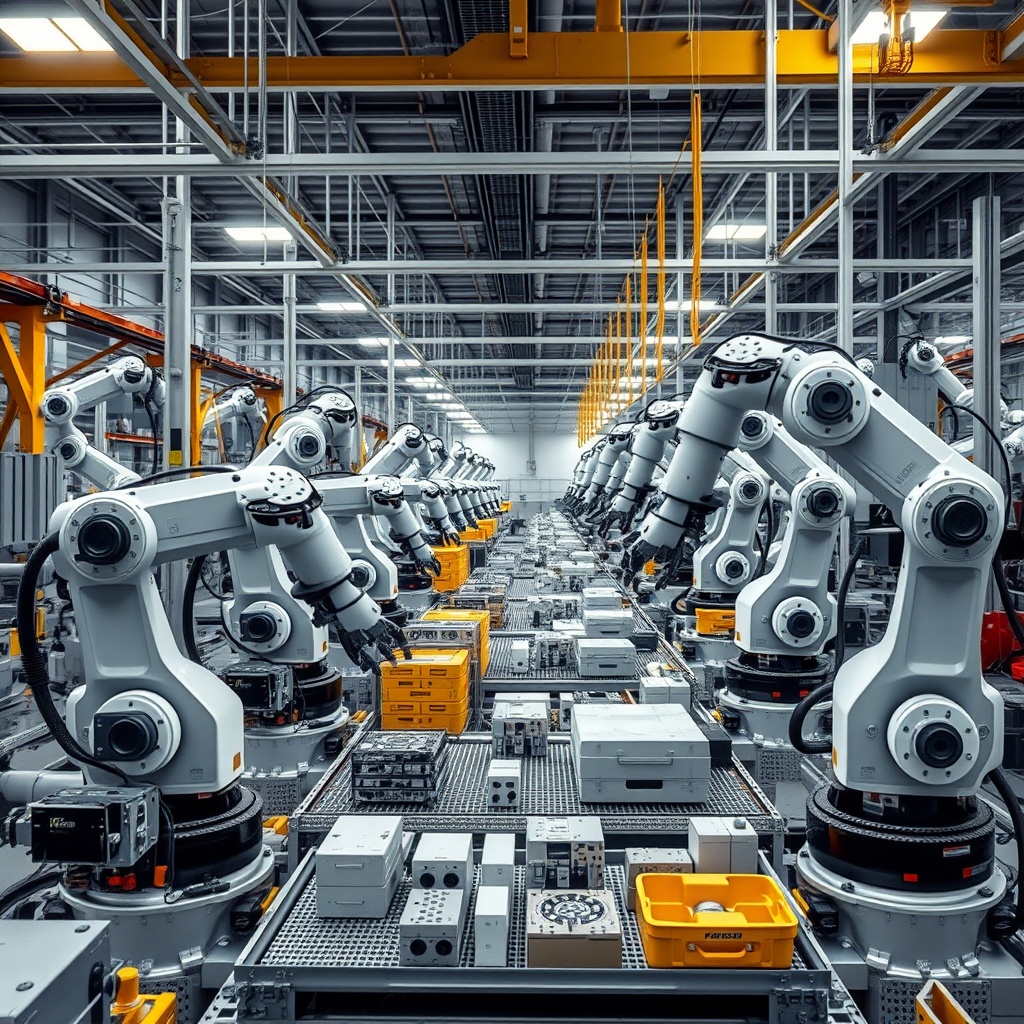
Integrated automation represents the future of manufacturing, where entire production lines are connected and controlled by a central system. This approach leverages the Internet of Things (IoT) to enable real-time monitoring and adjustments, improving efficiency and reducing waste. Industries like smart factories and advanced logistics rely on integrated automation to streamline operations and enhance productivity.
The role of IoT in integrated automation cannot be overstated, as it allows for seamless communication between machines and systems. Success stories include companies that have reduced downtime and improved product quality through predictive maintenance and data-driven decision-making. While the technology is still evolving, its potential to revolutionise manufacturing is undeniable. Businesses adopting integrated automation today are positioning themselves as leaders in the industry.
Flexible Automation Adapting to Change
The Concept of Flexible Automation
Flexible automation is designed to adapt to varying production needs without extensive reconfiguration. Unlike fixed automation, which excels in high-volume, unchanging tasks, flexible systems can handle multiple product types with minimal downtime. This adaptability makes it ideal for industries where demand fluctuates or customisation is key. By integrating modular components, businesses can swiftly switch between tasks, ensuring efficiency and responsiveness.
At its core, flexible automation relies on programmable logic controllers (PLCs) and advanced robotics. These technologies enable seamless transitions between operations, reducing manual intervention. For example, automotive manufacturers use flexible systems to produce different car models on the same assembly line. This versatility not only saves time but also lowers costs, making it a game-changer for modern production environments.
Comparing Flexible and Programmable Automation
While both flexible and programmable automation offer adaptability, their applications differ significantly. Programmable automation suits batch production, where changes occur between runs but not during them. Flexible automation, however, allows real-time adjustments, accommodating dynamic workflows. This distinction is crucial for businesses weighing scalability against operational complexity.
Another key difference lies in setup time. Programmable systems require downtime for reprogramming, whereas flexible systems minimise this with pre-configured modules. For instance, a food packaging plant might use programmable automation for seasonal products but switch to flexible automation for custom orders. Understanding these nuances helps businesses choose the right solution for their needs.
Implementing Flexible Automation in Your Business
Adopting flexible automation begins with assessing your production requirements. Identify processes that benefit from adaptability, such as mixed-product assembly or rapid prototyping. Investing in scalable robotics and IoT-enabled sensors can streamline integration, ensuring your system grows with demand.
Training staff is equally vital. Employees must understand how to operate and maintain these systems to maximise their potential. Many businesses partner with automation specialists to ease the transition. For example, a mid-sized electronics firm might collaborate with a robotics provider to deploy flexible automation for circuit board assembly, boosting output while maintaining quality.
Integrated Automation The Future of Manufacturing
What Makes Integrated Automation Unique
Integrated automation combines robotics, IoT, and AI to create a seamless production ecosystem. Unlike standalone systems, it connects every stage of manufacturing, from design to delivery. This holistic approach eliminates silos, enabling real-time data sharing and decision-making. For instance, a smart factory might use integrated automation to adjust production schedules based on live inventory updates.
What sets integrated automation apart is its predictive capabilities. AI algorithms analyse data to foresee maintenance needs or supply chain disruptions, preventing costly downtime. This proactive stance is transforming industries like pharmaceuticals, where precision and reliability are paramount. By embracing integration, businesses can future-proof their operations.
The Role of IoT in Integrated Automation
The Internet of Things (IoT) is the backbone of integrated automation. Sensors embedded in machinery collect performance metrics, feeding them into centralised dashboards. This connectivity allows managers to monitor operations remotely and optimise workflows on the fly. For example, a logistics company might use IoT to track fleet efficiency, rerouting vehicles to avoid delays.
IoT also enhances collaboration between humans and machines. Wearable devices alert workers to potential hazards, while autonomous robots handle repetitive tasks. This synergy improves safety and productivity, particularly in hazardous environments like chemical plants. As IoT evolves, its role in integrated automation will only expand, driving smarter, more responsive industries.
Success Stories of Integrated Automation
Many companies have reaped the rewards of integrated automation. A leading aerospace manufacturer reduced assembly time by 30% by linking robotic arms with AI-driven quality control. Similarly, a global retailer streamlined warehouse operations using IoT-enabled sorting systems, cutting fulfilment times in half.
These successes highlight the transformative power of integration. By breaking down operational barriers, businesses can achieve unprecedented efficiency and agility. The key lies in choosing the right technologies and fostering a culture of innovation. As more industries adopt this approach, integrated automation will become the gold standard for modern manufacturing.

The Role of Robotics in Automation
Robotics vs Traditional Automation
Robotics introduces a new dimension to automation by combining mechanical precision with AI-driven intelligence. Unlike traditional systems, which follow rigid programming, robots can learn and adapt. For example, collaborative robots (cobots) work alongside humans, adjusting their movements to avoid collisions. This flexibility makes robotics ideal for complex or unpredictable tasks.
Traditional automation excels in repetitive, high-speed operations but lacks adaptability. Robotics bridges this gap, offering versatility without sacrificing efficiency. In sectors like healthcare, robotic arms assist surgeons with precision tasks, reducing human error. As robotics technology advances, its applications will continue to expand, redefining what automation can achieve.
How Robotics Enhance Automation Capabilities
Robotics elevates automation by enabling tasks that were once impossible. Vision systems allow robots to identify and handle irregularly shaped objects, while machine learning improves decision-making over time. For instance, agricultural robots use these features to harvest crops with minimal waste, addressing labour shortages and boosting yields.
Another advantage is scalability. Modular robotic systems can be reconfigured for new tasks, reducing the need for costly replacements. A small manufacturer might start with a single robot for packaging and later expand to assembly. This scalability makes robotics accessible to businesses of all sizes, democratising advanced automation.
Future Trends in Robotic Automation
The future of robotic automation lies in autonomy and collaboration. Self-learning robots will require less programming, speeding up deployment. Meanwhile, swarm robotics—where multiple robots work in unison—will revolutionise industries like construction and disaster response. These trends promise to make automation more intuitive and impactful.
Another emerging trend is the integration of robotics with augmented reality (AR). Workers wearing AR headsets can visualise robotic workflows, improving coordination. For example, a technician might use AR to guide a robot through a repair process. As these technologies converge, the line between human and machine capabilities will blur, unlocking new possibilities.
Software Tools for Automation
Essential Software for Implementing Automation
When it comes to automation, the right software tools can make all the difference. We rely on platforms like WordPress for content management and Zapier for workflow automation. These tools streamline repetitive tasks, saving time and reducing errors. Whether you’re automating data entry or customer communications, choosing the right software ensures efficiency and scalability. It’s about finding solutions that align with your business needs and goals.
Open Source vs Proprietary Automation Tools
Open-source tools like Jenkins offer flexibility and cost savings, while proprietary solutions like UiPath provide robust support and advanced features. We’ve found that open-source tools are ideal for businesses with technical expertise, whereas proprietary options suit those needing reliability and ease of use. The choice depends on your budget, team skills, and long-term objectives. Both have their place in a well-rounded automation strategy.
How to Select the Best Software for Your Automation Needs
Selecting automation software requires careful consideration of functionality, integration capabilities, and user-friendliness. We recommend starting with a clear list of requirements and testing tools like HubSpot or Salesforce before committing. Look for scalability and community support, especially if you’re new to automation. The right tool should grow with your business and simplify processes, not complicate them.
Automation in Small Businesses
The Benefits of Automation for SMEs
Small businesses often operate with limited resources, making automation a game-changer. We’ve seen how tools like QuickBooks for accounting or Mailchimp for marketing can level the playing field. Automation reduces manual workloads, minimises errors, and frees up time for strategic tasks. For SMEs, this means better efficiency and the ability to compete with larger players. It’s not just about saving money—it’s about maximising potential.
Practical Automation Solutions for Small Businesses
From chatbots for customer service to inventory management systems, there are countless ways SMEs can automate. We recommend starting with high-impact areas like invoicing or social media scheduling. Tools like Trello or Asana can also automate project management, ensuring nothing falls through the cracks. The key is to focus on solutions that deliver immediate value and are easy to implement, even for non-technical teams.
Overcoming Budget Constraints in Automation
Budget limitations shouldn’t deter small businesses from embracing automation. Many free or low-cost tools, such as Google Workspace or Canva, offer powerful automation features. We advise prioritising tools with clear ROI and leveraging free trials to test their suitability. Additionally, training staff to use these tools effectively ensures long-term success. Automation is an investment, but it doesn’t have to break the bank.
Automation in Large Corporations
Scaling Automation for Large-Scale Operations
Large corporations face unique challenges when scaling automation, from integrating legacy systems to managing vast datasets. We’ve worked with enterprises using platforms like SAP or Oracle to automate supply chains and HR processes. The focus is on creating seamless workflows across departments while maintaining data integrity. Scalability is critical—automation solutions must handle increased volumes without compromising performance or security.
Case Studies Automation in Fortune 500 Companies
Companies like Amazon and Walmart exemplify the power of automation in large-scale operations. Amazon’s warehouse robots and Walmart’s inventory management systems showcase how automation drives efficiency and reduces costs. These case studies highlight the importance of strategic planning and continuous improvement. For corporations, automation isn’t just a tool—it’s a competitive advantage that requires ongoing optimisation.
Managing the Transition to Automated Processes
Transitioning to automation in a large corporation requires careful change management. We’ve seen success with phased rollouts, employee training, and clear communication about benefits. Resistance is natural, but demonstrating how automation enhances roles—rather than replaces them—can ease the transition. The goal is to create a culture where technology and human expertise work hand in hand.

The Impact of Automation on Employment
Automation and Job Displacement Myths
There’s a common fear that automation will lead to widespread job losses, but our experience tells a different story. While some roles evolve or become redundant, automation often creates new opportunities. For example, the rise of AI has spurred demand for data analysts and machine learning specialists. The key is reskilling and adapting to the changing landscape, ensuring workers remain relevant in an automated world.
New Job Opportunities Created by Automation
Automation doesn’t just replace jobs—it transforms them. We’ve seen industries like healthcare and logistics benefit from roles like robotic process engineers or automation consultants. These positions require a blend of technical and soft skills, highlighting the need for continuous learning. By embracing automation, businesses can unlock new career paths and drive innovation, ultimately benefiting the workforce and the economy.
Preparing the Workforce for an Automated Future
Preparing for an automated future starts with education and training. We advocate for partnerships between businesses, governments, and educational institutions to develop relevant curricula. Upskilling programs and certifications in automation technologies can bridge the skills gap. The goal is to empower workers to thrive in a tech-driven economy, ensuring automation benefits everyone, not just a select few.
Ethical Considerations in Automation
The Moral Implications of Replacing Human Labour
Automation raises profound ethical questions about the displacement of human workers. While it boosts efficiency, we must consider the societal impact of job losses. I believe responsible automation involves retraining programmes to help workers transition into new roles. Balancing technological progress with human welfare is crucial to ensure fairness and inclusivity in an automated future.
Ensuring Fair Use of Automation Technologies
Transparency in automation deployment is essential to prevent misuse. We must ensure algorithms are free from bias and decisions are explainable. Ethical frameworks, like those discussed in our future of AI guide, can guide fair implementation. By prioritising accountability, we can build trust in automated systems and avoid exacerbating inequalities.
Privacy Concerns in Automated Systems
Automation often relies on vast data collection, raising privacy issues. I advocate for robust data protection measures to safeguard user information. Compliance with regulations like GDPR is a start, but we must also design systems with privacy by default. Ethical automation respects individual rights while delivering its benefits.
Future Trends in Automation
Emerging Technologies Shaping the Future of Automation
AI, IoT, and robotics are revolutionising automation. I foresee AI-driven predictive analytics becoming mainstream, while IoT enables seamless connectivity. These advancements, as highlighted in our AI basics guide, promise smarter, more adaptive systems. Staying updated on these trends is key to leveraging their potential.
Predictions for Automation in the Next Decade
By 2030, automation will likely permeate every industry, from healthcare to agriculture. I predict a shift towards collaborative robots (cobots) working alongside humans. Hyper-automation, combining multiple technologies, will dominate. Preparing for this future requires investment in skills and infrastructure.
How to Stay Ahead in the Automation Revolution
Adaptability is critical in the automation era. I recommend continuous learning and embracing tools like our essential strategies. Networking with industry leaders and experimenting with new technologies will keep you competitive. The revolution is here—stay agile.
Getting Started with Automation
First Steps Towards Implementing Automation
Begin by identifying repetitive tasks ripe for automation. I suggest starting small, like automating email responses or data entry. Tools like Zapier can simplify this process. Documenting workflows ensures smooth integration and minimises disruption.
Common Pitfalls to Avoid When Starting with Automation
Over-automating too soon is a common mistake. I advise focusing on high-impact areas first. Ignoring employee feedback can also backfire—involve your team early. Testing thoroughly before full deployment prevents costly errors and ensures success.
Resources for Learning More About Automation
Explore online courses, webinars, and industry reports to deepen your knowledge. Our blog offers insights on automation trends and best practices. Continuous education is the foundation of effective automation implementation.
Frequently Asked Questions
What are the ethical risks of automation?
Automation can lead to job displacement and privacy violations if not managed ethically. Ensuring transparency, fairness, and accountability in automated systems is essential to mitigate these risks.
How can small businesses benefit from automation?
Automation reduces manual workloads, cuts costs, and improves efficiency. Small businesses can start with simple tools like invoicing software to streamline operations.
What industries will automation impact the most?
Manufacturing, healthcare, and logistics will see significant automation adoption. These industries rely on repetitive tasks, making them ideal candidates for automation.
How do I choose the right automation tools?
Assess your needs, budget, and scalability requirements. Research tools like those in our design tools guide to find the best fit for your business.
