

Introduction
When I first asked Alexa to play my favourite song, I wondered: is this voice assistant truly artificial intelligence? Alexa, Amazon’s ubiquitous smart assistant, blurs the line between simple automation and sophisticated AI. In this article, we’ll explore whether Alexa qualifies as AI, diving into its capabilities, limitations, and the technology that powers it. Let’s unravel the mystery together.
Key Takeaways
- Alexa combines voice recognition and natural language processing to mimic human-like interactions.
- Machine learning enables Alexa to adapt and improve based on user behaviour over time.
- Unlike traditional software, Alexa’s AI capabilities allow it to handle ambiguous queries and learn from mistakes.
- Privacy concerns arise from Alexa’s data collection practices, a common trade-off in AI-driven devices.
- Alexa’s limitations highlight the gap between narrow AI and human-like general intelligence.
Understanding Artificial Intelligence
Definition of AI
Artificial intelligence refers to systems designed to perform tasks that typically require human intelligence. These include learning, reasoning, and problem-solving. AI can range from simple rule-based algorithms to complex neural networks. For example, AI’s future promises even more advanced applications, but today’s AI, like Alexa, operates within defined parameters.
Types of AI Technologies
AI technologies fall into categories like machine learning, natural language processing, and computer vision. Alexa primarily relies on the first two. Machine learning allows it to improve responses over time, while natural language processing helps it understand spoken commands. These technologies are part of what makes Alexa feel “intelligent,” even if it’s not conscious or self-aware.
How AI Differs from Traditional Software
Traditional software follows rigid, pre-programmed instructions. AI, however, adapts and evolves. Alexa’s ability to handle vague requests—like “Play something relaxing”—showcases this flexibility. It’s not just executing code; it’s interpreting intent. This adaptability is a hallmark of AI, setting it apart from static programs.
Introduction to Alexa
What is Alexa?
Alexa is Amazon’s voice-controlled virtual assistant, integrated into devices like Echo speakers. It responds to voice commands, performs tasks, and connects with smart home devices. While it feels futuristic, Alexa’s functionality is rooted in AI basics, combining voice recognition with cloud-based processing to deliver seamless interactions.It seems the tools are currently unavailable due to high request volumes.
Introduction to Alexa
What is Alexa
Alexa is Amazon’s voice-controlled virtual assistant, designed to make our lives easier through seamless interaction. I often find myself asking Alexa to play music, set reminders, or even control my smart home devices. It’s a blend of convenience and innovation, powered by advanced technology. Alexa’s ability to understand and respond to natural language sets it apart from traditional software, making it feel almost human.
We rely on Alexa for daily tasks, from checking the weather to ordering groceries. Its integration with various services and devices makes it a central hub for smart living. The more I use Alexa, the more I appreciate its adaptability and the way it learns from my preferences. It’s not just a tool; it’s becoming a part of our household.
The Technology Behind Alexa
Alexa’s magic lies in its sophisticated technology stack, combining voice recognition, natural language processing, and machine learning. When I speak to Alexa, it converts my words into text, analyses the intent, and fetches the appropriate response. This process happens in milliseconds, showcasing the power of cloud computing and AI. The technology is constantly evolving, making Alexa smarter with each update.
Behind the scenes, Alexa relies on Amazon Web Services (AWS) for processing and storage. This ensures scalability and reliability, even during peak usage. I’m fascinated by how Alexa handles accents and dialects, a testament to its robust design. The integration of third-party skills further expands its capabilities, turning it into a versatile assistant tailored to our needs.
Alexa’s AI Capabilities
Voice Recognition and Natural Language Processing
Alexa’s voice recognition is one of its standout features, allowing it to understand and respond to my commands accurately. Whether I’m asking a complex question or giving a simple instruction, Alexa processes my words with remarkable precision. This is thanks to natural language processing (NLP), which enables it to interpret context and nuances in my speech. It’s like having a conversation with a knowledgeable friend.
I’ve noticed how Alexa adapts to my speech patterns over time, improving its accuracy. The NLP algorithms analyse sentence structure, intent, and even emotions to provide relevant responses. This level of sophistication makes interactions feel intuitive and personalised. It’s a glimpse into the future of human-computer interaction, where technology understands us better than ever before.
Machine Learning in Alexa
Machine learning is at the heart of Alexa’s ability to learn and improve. Every interaction I have with Alexa contributes to its understanding of my preferences and habits. For example, if I frequently ask for news updates in the morning, Alexa starts suggesting them proactively. This predictive capability is powered by algorithms that analyse patterns in my behaviour.
What impresses me most is how Alexa handles ambiguous requests. If I’m vague, it uses context from previous interactions to infer what I mean. This dynamic learning process ensures that Alexa becomes more helpful over time. It’s not just about executing commands; it’s about anticipating my needs and delivering a seamless experience.
How Alexa Learns from User Interactions
Alexa’s learning process is continuous, driven by the data it collects from my interactions. Each time I correct a misinterpretation or refine a request, Alexa adjusts its algorithms to avoid similar mistakes in the future. This feedback loop is crucial for its development, ensuring it evolves to meet my expectations. I appreciate how transparent Amazon is about this process, giving me control over my data.
The more I use Alexa, the more personalised its responses become. It remembers my favourite playlists, preferred news sources, and even my shopping habits. This level of customisation is only possible because of AI’s ability to process vast amounts of data efficiently. It’s a perfect example of how machine learning can enhance everyday technology.
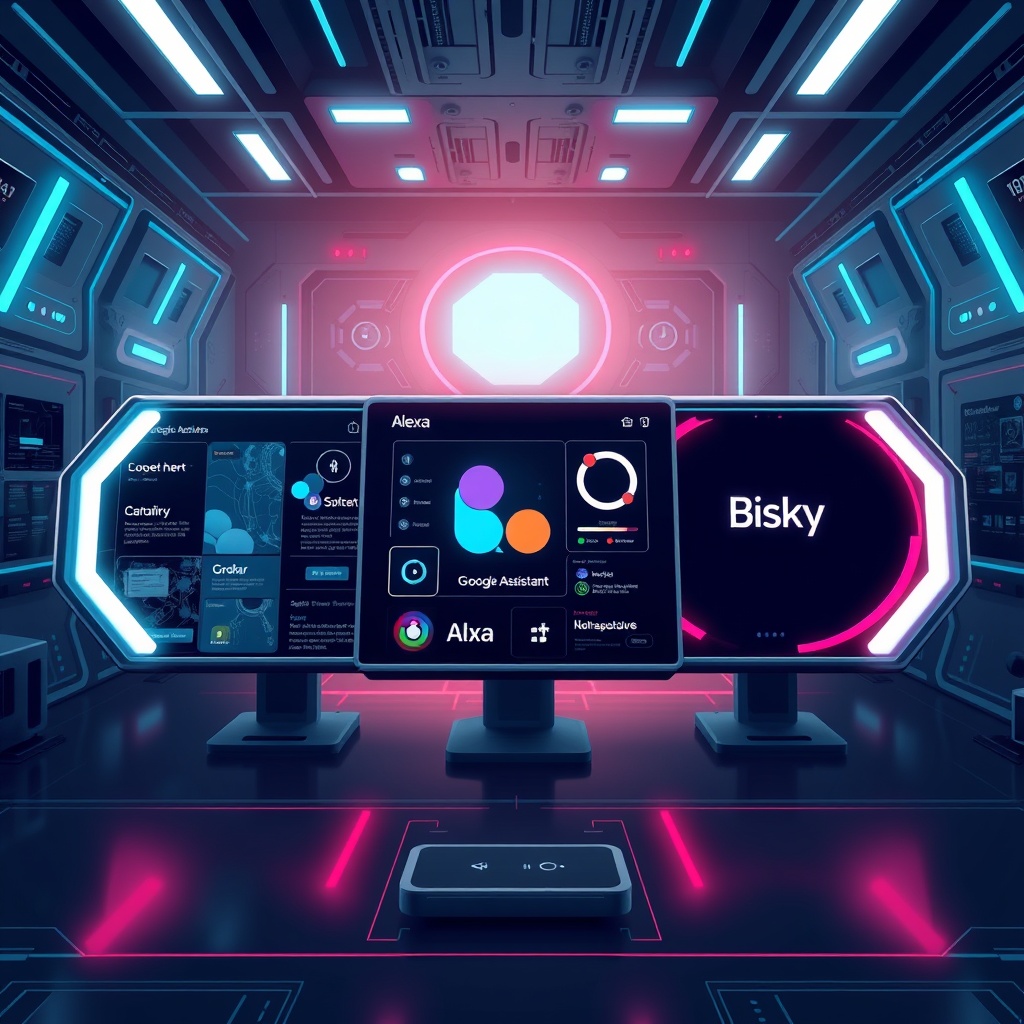
Comparing Alexa to Other AI Assistants
Alexa vs Google Assistant
When comparing Alexa to Google Assistant, I find that each has its strengths. Alexa excels in smart home integration and third-party skills, making it ideal for controlling devices and automating tasks. Google Assistant, on the other hand, leverages Google’s search prowess to provide more accurate answers to complex questions. It’s a trade-off between versatility and precision, depending on what I need.
I’ve noticed that Google Assistant handles follow-up questions better, maintaining context throughout a conversation. Alexa, however, offers a wider range of compatible devices and services. Both assistants are constantly improving, but my choice depends on whether I prioritise smart home functionality or information retrieval. It’s fascinating to see how they push each other to innovate.
Alexa vs Siri
Siri, Apple’s voice assistant, is deeply integrated into the iOS ecosystem, offering seamless functionality for iPhone users. However, Alexa’s cross-platform compatibility gives it an edge in versatility. I can use Alexa on multiple devices, from smart speakers to third-party gadgets, whereas Siri is limited to Apple products. This makes Alexa a more flexible choice for my diverse tech setup.
One area where Siri shines is privacy, with Apple’s strong stance on data protection. Alexa, while convenient, requires more careful management of privacy settings. Despite this, Alexa’s extensive skill library and smart home capabilities make it my go-to assistant. It’s a reminder that no single assistant is perfect; each caters to different needs and preferences.
Alexa vs Bixby
Bixby, Samsung’s voice assistant, is tailored for Samsung devices, offering deep integration with their hardware. While it’s efficient for controlling Samsung products, its third-party support pales in comparison to Alexa. I’ve found Bixby useful for device-specific tasks, but Alexa’s broader ecosystem makes it more versatile for everyday use. It’s a niche vs generalist scenario.
Bixby’s strength lies in its ability to understand complex commands for Samsung apps, but its limited adoption outside Samsung’s ecosystem restricts its appeal. Alexa, with its widespread compatibility and continuous updates, remains my preferred choice. The competition between these assistants drives innovation, benefiting users like me who rely on them daily.
The Role of AI in Alexa’s Development
AI’s Contribution to Alexa’s Evolution
When I first encountered Alexa, I was struck by how seamlessly it understood my voice. This isn’t magic—it’s artificial intelligence at work. AI has been the backbone of Alexa’s evolution, enabling it to process natural language, learn from interactions, and improve over time. From simple voice commands to complex queries, AI ensures Alexa adapts to our needs, making it more intuitive with each update.
We often overlook the sophistication behind Alexa’s responses. Machine learning algorithms analyse vast datasets to refine its accuracy. Whether it’s recognising regional accents or predicting our next request, AI empowers Alexa to deliver personalised experiences. Without AI, Alexa would remain a static tool, incapable of the dynamic interactions we now take for granted.
Future AI Enhancements for Alexa
Looking ahead, I’m excited about the potential AI holds for Alexa. Imagine a voice assistant that not only responds but anticipates our needs with uncanny precision. Future enhancements could include advanced emotional recognition, allowing Alexa to detect frustration or joy in our voices and adjust its tone accordingly. Such innovations would redefine human-device interaction.
We’re also likely to see AI-driven contextual understanding improve. Alexa might soon remember past conversations, offering suggestions based on our habits. For instance, if I frequently ask for weather updates in the morning, Alexa could proactively provide them. These advancements hinge on AI’s ability to learn and adapt, ensuring Alexa remains at the forefront of voice technology.
User Interaction with Alexa
How Users Communicate with Alexa
Interacting with Alexa feels effortless, but there’s a lot happening behind the scenes. When I say, “Alexa, play my favourite song,” the device captures my voice, converts it into text, and processes the request. Natural language processing (NLP) allows Alexa to understand the intent behind my words, even if I phrase things differently each time. This fluid communication is what makes Alexa feel so human-like.
We often forget that Alexa’s responses are the result of complex algorithms. Whether it’s setting a timer or answering trivia, the system relies on AI to parse our commands accurately. The more we use Alexa, the better it becomes at predicting our needs, thanks to machine learning. It’s a continuous feedback loop that enhances usability over time.
Understanding Alexa’s Responses
Alexa’s ability to provide relevant answers fascinates me. When I ask about the weather, it doesn’t just regurgitate data—it tailors the response to my location and preferences. This personalisation is powered by AI, which analyses my past interactions to deliver context-aware replies. It’s a subtle yet powerful feature that makes Alexa indispensable in my daily routine.
We sometimes take for granted how Alexa handles ambiguous queries. If I ask, “What’s the best Italian restaurant nearby?” Alexa considers my location, reviews, and even my dining history to suggest options. This level of detail stems from AI’s ability to synthesise information from multiple sources, ensuring responses are both accurate and personalised.
Personalisation Through AI
One of Alexa’s standout features is its ability to learn from me. Over time, it recognises my preferences, whether it’s my favourite news sources or the type of music I enjoy. This personalisation is driven by AI algorithms that track my habits and adjust accordingly. It’s like having a digital assistant that grows more attuned to my needs with every interaction.
We’re only scratching the surface of what AI can do for personalisation. Future updates might enable Alexa to recognise individual voices in a household, offering tailored experiences for each user. Imagine Alexa greeting you with a personalised morning briefing based on your schedule. Such advancements will make our interactions with technology even more seamless and intuitive.
Privacy and Security Concerns with Alexa
Data Collection and Privacy
As much as I appreciate Alexa’s convenience, I’m mindful of the data it collects. Every voice command is stored and analysed to improve the service, but this raises valid privacy concerns. Amazon assures users that data is anonymised and encrypted, yet the sheer volume of information processed is daunting. It’s a trade-off between functionality and privacy that we must navigate carefully.
We often overlook how much Alexa knows about us. From our shopping habits to our daily routines, the device builds a detailed profile. While this enables personalised experiences, it also poses risks if the data falls into the wrong hands. Transparency about how Amazon uses this information is crucial to maintaining user trust.
How Amazon Addresses Security Concerns
Amazon has implemented several measures to protect user data. For instance, Alexa’s recordings can be reviewed and deleted via the app, giving us control over our information. Additionally, the company uses advanced encryption to safeguard data during transmission and storage. These steps demonstrate Amazon’s commitment to security, but vigilance on our part is equally important.
We must also consider the broader implications of voice-activated devices. Hackers could potentially exploit vulnerabilities to eavesdrop or manipulate Alexa. Amazon continuously updates its security protocols to mitigate such risks, but staying informed about best practices—like using strong passwords—is essential for safeguarding our privacy.
User Control Over Data
I appreciate that Amazon provides tools to manage my data. The Alexa app allows me to delete recordings, disable voice purchasing, and limit data sharing. These options empower users to strike a balance between convenience and privacy. It’s reassuring to know that I have control over how my information is used, even as Alexa becomes more integrated into my life.
We should regularly review our privacy settings to ensure they align with our comfort levels. For example, disabling voice recording storage might limit some features but enhances privacy. Ultimately, the responsibility lies with us to make informed choices about how much data we’re willing to share in exchange for Alexa’s benefits.
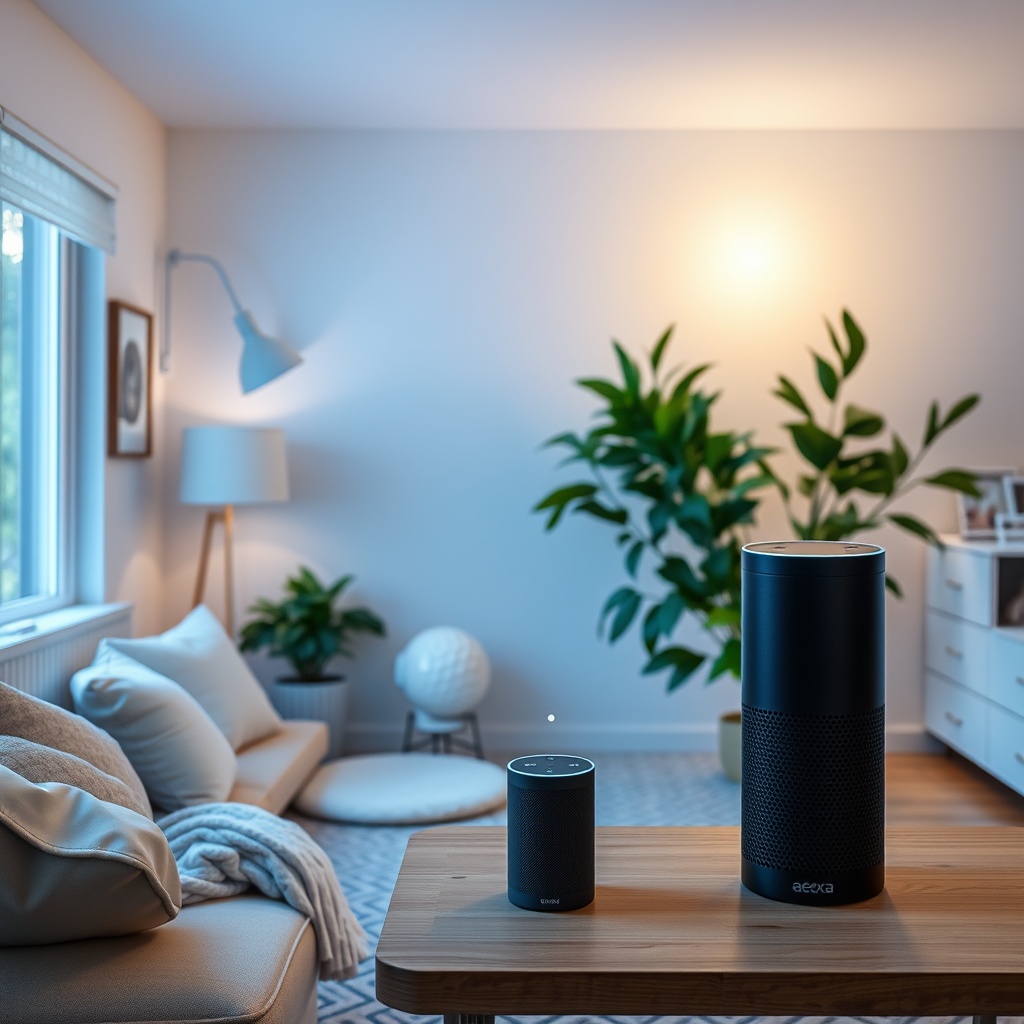
Alexa in Smart Homes
Controlling Smart Devices with Alexa
One of my favourite Alexa features is its ability to control smart home devices. With a simple voice command, I can adjust the thermostat, dim the lights, or lock the doors. This seamless integration is made possible by AI, which interprets my instructions and communicates with compatible devices. It’s a glimpse into the future of home automation, where technology works quietly in the background to simplify our lives.
We’re witnessing a shift in how we interact with our homes. Alexa acts as a central hub, coordinating various devices to create a cohesive ecosystem. Whether it’s setting routines or responding to real-time commands, AI ensures everything operates smoothly. The convenience of voice control is undeniable, but it’s the intelligence behind it that truly impresses me.
The Role of AI in Smart Home Automation
AI transforms Alexa from a voice assistant into a smart home orchestrator. By analysing usage patterns, Alexa can predict when I’ll arrive home and adjust the temperature accordingly. This proactive approach is powered by machine learning, which identifies trends and automates tasks without explicit instructions. It’s a subtle yet impactful way AI enhances our daily lives.
We’re only beginning to explore AI’s potential in smart homes. Future developments might include predictive maintenance, where Alexa alerts us to potential issues with appliances before they fail. Such capabilities would further blur the line between technology and intuition, making our homes not just smart but genuinely responsive to our needs.
Alexa’s Impact on Daily Life
Alexa has seamlessly integrated into our daily routines, offering unparalleled convenience and efficiency. From setting reminders to playing our favourite music, it simplifies tasks that once required manual effort. We no longer need to fumble with buttons or screens; a simple voice command suffices. This shift has redefined how we interact with technology, making it more intuitive and accessible for everyone.
The impact extends beyond mere convenience, subtly altering our relationship with devices. We now expect technology to understand and anticipate our needs, a testament to Alexa’s AI-driven personalisation. Whether it’s adjusting the thermostat or ordering groceries, Alexa’s presence in our homes has become indispensable. It’s not just a tool; it’s a companion that learns and adapts to our lifestyles.
Convenience and Efficiency
Alexa’s ability to multitask is a game-changer. Imagine cooking while asking for a recipe or checking the weather without lifting a finger. These small efficiencies add up, saving us valuable time. The future of AI promises even more seamless integration, where Alexa could predict our needs before we voice them.
For busy households, Alexa acts as a virtual assistant, managing schedules and coordinating tasks. It’s like having an extra pair of hands, ensuring nothing slips through the cracks. This efficiency isn’t just about speed; it’s about reducing mental load, allowing us to focus on what truly matters.
Changing Human-Device Interaction
Voice interaction with Alexa feels natural, almost conversational. This marks a departure from traditional interfaces, where screens and keyboards dominated. The shift reflects a broader trend towards more human-centric technology. We’re moving away from rigid commands to fluid, context-aware exchanges, thanks to advancements in AI basics.
This evolution isn’t just technical; it’s cultural. Younger generations, in particular, are growing up with voice assistants as the norm. They expect technology to respond to their voices, not just their taps. Alexa is at the forefront of this transformation, shaping how future generations will interact with the digital world.
Limitations of Alexa’s AI
Despite its advancements, Alexa’s AI isn’t flawless. There are moments when it misinterprets commands or fails to grasp context. These limitations remind us that AI, while powerful, is still evolving. Understanding these shortcomings helps set realistic expectations and highlights areas for future improvement.
For instance, Alexa struggles with complex queries or nuanced language. It excels at straightforward tasks but stumbles when faced with ambiguity. This gap underscores the difference between human cognition and artificial intelligence. While Alexa can mimic understanding, it lacks true comprehension.
Understanding Alexa’s Limitations
Alexa’s reliance on predefined algorithms means it can’t improvise like a human. If a request falls outside its programmed parameters, it may falter. This is particularly evident in creative tasks or open-ended questions. The types of AI framework explains why Alexa, as a narrow AI, has these constraints.
Another limitation is its dependency on internet connectivity. Without a stable connection, Alexa’s functionality is severely hampered. This reliance on external servers means it’s not entirely self-sufficient, a drawback in scenarios where offline access is crucial.
Scenarios Where Alexa Falls Short
In noisy environments, Alexa’s voice recognition can struggle, leading to misinterpretations. Similarly, accents or dialects outside its training data may pose challenges. These scenarios reveal the gaps in its AI capabilities, reminding us that technology isn’t infallible.
Privacy concerns also highlight Alexa’s limitations. While it learns from user interactions, this data collection raises ethical questions. Balancing convenience with privacy is an ongoing challenge, one that future iterations of Alexa must address to maintain user trust.
Enhancing Alexa’s AI with Skills
Alexa’s capabilities aren’t static; they expand through Skills, third-party applications that add new functionalities. These Skills transform Alexa from a simple assistant into a versatile tool tailored to individual needs. Whether it’s ordering a pizza or meditating, Skills unlock endless possibilities.
The beauty of Skills lies in their adaptability. Developers worldwide contribute to Alexa’s ecosystem, ensuring it stays relevant and dynamic. This collaborative approach mirrors the open nature of the AI community, where innovation thrives on shared knowledge.
What Are Alexa Skills
Alexa Skills are like apps for your voice assistant, each designed for specific tasks. They range from productivity tools to entertainment options, catering to diverse user preferences. Installing a Skill is effortless, often requiring just a voice command or a few taps in the Alexa app.
These Skills leverage Alexa’s core AI, enhancing its utility without altering its fundamental architecture. It’s a modular system, allowing users to customise their experience. Whether you’re a fitness enthusiast or a trivia lover, there’s likely a Skill tailored to your interests.
How Skills Expand Alexa’s Capabilities
Skills bridge the gap between Alexa’s out-of-the-box features and niche requirements. For example, a language-learning Skill can turn Alexa into a personal tutor. This adaptability ensures Alexa remains useful across different contexts, from education to entertainment.
The continuous development of Skills also keeps Alexa competitive. As new technologies emerge, Skills can integrate them, ensuring Alexa stays ahead of the curve. This dynamic ecosystem is a testament to the potential of AI-driven platforms.

The Future of Alexa and AI
The trajectory of Alexa and AI is one of boundless potential. As machine learning advances, Alexa will become more intuitive, anticipating needs before they’re voiced. This proactive approach could redefine convenience, making interactions feel almost telepathic.
Future iterations might also address current limitations, such as contextual understanding and privacy concerns. The goal is to create an assistant that’s not just smart but also trustworthy. This balance will be crucial as AI becomes even more embedded in our lives.
Predictions for Alexa’s Development
Experts predict Alexa will evolve into a more holistic life assistant. Imagine it managing your finances or offering personalised health advice. These advancements hinge on breakthroughs in AI, particularly in areas like natural language processing and emotional intelligence.
Integration with other smart devices will also deepen, creating a seamless ecosystem. Alexa could coordinate your entire home, from lighting to security, all through voice commands. This interconnected future is closer than we think.
The Expanding Role of AI in Voice Assistants
AI’s role in voice assistants like Alexa will expand beyond functionality to empathy. Future versions might detect mood shifts from vocal tones, offering support when needed. This emotional layer could make interactions feel more human, blurring the line between machine and companion.
The ethical implications of such advancements are profound. As AI grows more sophisticated, ensuring it aligns with human values will be paramount. Alexa’s journey is a microcosm of this broader challenge, one that will shape the future of technology.
Alexa in the Business World
Alexa has found a significant place in the business world, transforming how companies operate and interact with customers. From scheduling meetings to managing inventory, Alexa’s AI-driven capabilities streamline tasks, saving time and resources. Businesses leverage its voice recognition and automation to enhance productivity, making it a valuable tool for both small enterprises and large corporations. The integration of Alexa into workflows showcases the potential of AI in modern business environments.
Companies use Alexa to create custom skills tailored to their needs, such as customer service bots or data analysis tools. These skills harness Alexa’s machine learning to improve accuracy and efficiency over time. For example, retail businesses use Alexa to provide personalised shopping experiences, while offices rely on it for hands-free communication. The adaptability of Alexa’s AI ensures it meets diverse business demands, proving its versatility beyond personal use.
Alexa for Business Applications
Alexa for Business offers specialised solutions designed to optimise workplace efficiency. It simplifies tasks like conference room bookings, IT support requests, and even employee training. By integrating with existing systems, Alexa reduces manual input, allowing teams to focus on strategic goals. Its ability to process natural language queries makes it accessible to all employees, regardless of technical expertise, fostering a more inclusive work environment.
One standout feature is Alexa’s compatibility with cloud computing platforms, enabling seamless data access and collaboration. Businesses also use Alexa to monitor KPIs in real-time, providing instant insights without navigating complex dashboards. As AI continues to evolve, Alexa’s role in business will expand, offering even more sophisticated tools to drive innovation and growth.
How Companies Leverage Alexa’s AI
Companies harness Alexa’s AI to enhance customer engagement and operational efficiency. For instance, hospitality brands use Alexa to handle reservations and answer guest queries, improving service quality. In healthcare, Alexa assists with appointment scheduling and patient reminders, reducing administrative burdens. These applications highlight how AI can transform industries by automating repetitive tasks and delivering personalised experiences.
Another key advantage is Alexa’s ability to integrate with e-commerce platforms, enabling voice-activated shopping and order tracking. Retailers benefit from Alexa’s data analytics, which provide insights into customer preferences and buying patterns. By leveraging these capabilities, businesses can tailor their offerings and stay competitive in a rapidly changing market.
Educational Uses of Alexa
Alexa has become a valuable educational tool, supporting learning both at home and in classrooms. Its interactive nature engages students, making lessons more dynamic and accessible. From answering trivia questions to guiding through complex math problems, Alexa serves as a virtual tutor. Teachers use it to create interactive quizzes or set reminders for assignments, enhancing the learning experience without adding to their workload.
Parents also find Alexa helpful for homeschooling, as it provides instant access to educational content and language lessons. The device’s ability to adapt to individual learning paces ensures personalised support for every student. As AI in education grows, Alexa’s role will likely expand, offering more advanced features like real-time feedback and adaptive learning paths.
Learning with Alexa
Alexa offers a range of educational skills, from language learning to science experiments, making it a versatile companion for students. Its voice-activated interface encourages active participation, especially for younger learners who may struggle with traditional methods. For example, Alexa can narrate stories, teach phonics, or even simulate historical events, bringing subjects to life in an engaging way.
Educators appreciate Alexa’s ability to supplement lessons with instant information, reducing reliance on textbooks. Its integration with educational blogs and resources ensures students have access to up-to-date content. By fostering curiosity and independent learning, Alexa helps bridge gaps in education, particularly in underserved communities.
Alexa in Classroom Settings
In classrooms, Alexa serves as an assistant, handling administrative tasks like attendance and timers, freeing teachers to focus on instruction. It also supports interactive learning through games and group activities, promoting collaboration among students. For instance, Alexa can facilitate debates by providing facts or simulate foreign language conversations, enhancing immersion.
Schools use Alexa to create inclusive environments for students with disabilities, offering voice-controlled access to materials. Its ability to provide instant translations or read aloud text benefits diverse learners. As AI becomes more sophisticated, Alexa’s role in education will evolve, offering tailored support and innovative teaching tools.
Ethical Considerations of AI in Alexa
The integration of AI into Alexa raises important ethical questions, particularly around privacy and data security. While Alexa’s convenience is undeniable, its constant listening feature sparks concerns about unintended surveillance. Users must weigh the benefits of personalised experiences against the potential risks of data misuse. Amazon has implemented measures like voice deletion and encryption, but the responsibility also lies with users to manage their settings.
Another ethical dilemma is the potential for AI to reinforce biases, as Alexa’s responses are based on existing data sets. Ensuring fairness and transparency in AI development is crucial to prevent discrimination. As Alexa becomes more embedded in daily life, addressing these issues will be essential to maintain trust and accountability.
The Ethics of AI Assistants
AI assistants like Alexa challenge traditional notions of privacy and consent. The collection of voice data for improvement purposes often occurs without explicit user awareness, raising transparency issues. Ethical AI design must prioritise user control, allowing individuals to opt out of data collection or delete recordings easily. Striking this balance is key to fostering trust in AI technologies.
Moreover, the environmental impact of AI, from energy consumption to e-waste, cannot be overlooked. Companies must adopt sustainable practices in AI development to mitigate these effects. By addressing these ethical concerns, we can ensure AI assistants like Alexa serve society responsibly.
Balancing Convenience and Privacy
Users often sacrifice privacy for the convenience Alexa offers, but this trade-off requires careful consideration. Amazon provides tools like activity logs and mute buttons to enhance control, yet many users remain unaware of these features. Educating users about their options is vital to empower informed decisions.
External resources, such as this Forbes article, highlight the broader implications of AI ethics. As technology advances, maintaining a balance between innovation and user rights will be critical to ensuring AI benefits everyone equitably.
Frequently Asked Questions
How does Alexa use AI to improve user interactions?
Alexa employs AI technologies like natural language processing and machine learning to understand and respond to user commands. Over time, it learns from interactions to provide more accurate and personalised responses, enhancing the overall user experience.
What are the privacy risks associated with Alexa?
Alexa’s constant listening feature raises concerns about data collection and potential misuse. While Amazon offers privacy controls, users must actively manage settings to protect their information and avoid unintended surveillance.
Can Alexa be used in professional settings?
Yes, Alexa for Business offers tools like scheduling and data analysis, streamlining workplace tasks. Its integration with cloud platforms and e-commerce systems makes it a versatile asset for companies.
How does Alexa support education?
Alexa aids learning through interactive skills, instant information access, and administrative support in classrooms. Its adaptability makes it useful for diverse learners, from children to adults.
What ethical issues surround AI in Alexa?
Key concerns include data privacy, bias in AI responses, and environmental impact. Addressing these requires transparent practices, user education, and sustainable development to ensure ethical AI use.
