

Introduction
As someone who has spent years navigating the world of web design, I can confidently say that working from home is not just possible—it’s thriving. The rise of remote work has transformed how we approach creative careers, and web design is no exception. Whether you’re a seasoned designer or just starting, the flexibility and opportunities of home-based work are undeniable. Let’s explore how you can make it work for you.
Key Takeaways
- Web design from home offers unparalleled flexibility and work-life balance.
- Essential skills include proficiency in design tools, coding, and client communication.
- Setting up a productive workspace is critical for success.
- Leveraging online platforms can help you find clients globally.
- Continuous learning is key to staying competitive in this fast-evolving field.
Understanding Web Design from Home
What is Web Design
Web design is the art of creating visually appealing and functional websites. It combines creativity with technical skills, from layout design to coding. As a home-based designer, you’ll need to master tools like Adobe XD or Figma, along with web design principles. The goal is to deliver a seamless user experience, whether you’re working for a local business or an international client.
The Rise of Remote Work in Web Design
The shift to remote work has opened doors for designers worldwide. Platforms like Upwork and Fiverr connect freelancers with clients, eliminating geographical barriers. This trend is here to stay, as businesses increasingly value the cost-effectiveness and diversity of remote talent. If you’re considering this path, now is the perfect time to dive in.
Essential Skills for Home-Based Web Designers
Beyond technical prowess, successful home-based designers excel in time management and communication. You’ll need to juggle multiple projects while maintaining clear client relationships. Tools like Slack and Trello can streamline workflows, while a strong portfolio—showcasing your best work—will help you stand out. For inspiration, check out our blog on industry trends.
The Benefits of Designing Websites from Home
Flexibility and Work-Life Balance
One of the greatest advantages of designing websites from home is the flexibility it offers. I can set my own hours, allowing me to work when I’m most productive. Whether it’s early mornings or late nights, I tailor my schedule to fit my lifestyle. This freedom also means I can spend more time with family or pursue hobbies, creating a healthier work-life balance. Remote web design empowers me to prioritise what truly matters without sacrificing professional growth.
Another perk is the ability to avoid long commutes. Instead of wasting time in traffic, I can dedicate those hours to refining my skills or taking on additional projects. This flexibility not only boosts productivity but also reduces stress, making my work more enjoyable. By designing from home, I’ve found a rhythm that aligns with my personal and professional goals, proving that remote work can be both fulfilling and efficient.
Lower Overhead Costs
Running a web design business from home significantly cuts down on expenses. Without the need for a physical office, I save on rent, utilities, and commuting costs. These savings allow me to invest more in high-quality tools and software, enhancing the services I offer. For instance, I can allocate funds towards premium design platforms or marketing efforts, giving my business a competitive edge. Lower overheads also mean I can price my services more attractively, attracting a wider range of clients.
Additionally, home-based work reduces incidental costs like office supplies or lunches out. I’ve found that these small savings add up over time, contributing to a healthier bottom line. By minimising unnecessary expenses, I can focus on delivering exceptional value to my clients while maintaining a sustainable business model. This financial efficiency is a key reason why many designers are choosing to work from home.
Access to a Global Client Base
Designing websites from home opens doors to a global clientele. Without geographical constraints, I can collaborate with businesses and individuals from around the world. This diversity not only enriches my portfolio but also exposes me to different industries and design trends. Platforms like freelance web design make it easy to connect with international clients, expanding my opportunities beyond local markets.
Working remotely also allows me to tap into niche markets that may not be accessible locally. Whether it’s a startup in Silicon Valley or a small business in Europe, I can offer my expertise without leaving my home office. This global reach has been instrumental in growing my business and building a diverse, resilient client base. The ability to work with clients worldwide is a game-changer for home-based designers.
Setting Up Your Home Web Design Studio
Essential Equipment and Software
To run a successful home-based web design studio, investing in the right tools is crucial. A reliable computer with ample processing power is non-negotiable, as it handles demanding design software. I also recommend a high-resolution monitor for precise work and a comfortable ergonomic chair to support long hours of creativity. Software like Adobe Creative Suite or Figma is essential for crafting stunning designs, while project management tools like Trello keep me organised.
Don’t overlook the importance of a fast internet connection and backup solutions. Cloud storage ensures my work is safe, and a quality headset improves communication with clients. These investments may seem small, but they collectively enhance efficiency and professionalism. By equipping my home studio with the right tools, I can deliver top-notch designs without the need for a traditional office setup.
Creating a Productive Workspace
A dedicated workspace is vital for maintaining focus and productivity. I’ve set up a quiet corner in my home with minimal distractions, allowing me to concentrate fully on my projects. Natural light and a clutter-free desk create an inviting environment that sparks creativity. Personal touches, like plants or inspirational artwork, make the space feel uniquely mine, boosting motivation and comfort.
It’s also important to establish boundaries with household members. Clear communication about my work hours helps minimise interruptions, ensuring I stay on track. A well-organised workspace not only improves efficiency but also reinforces a professional mindset. By treating my home office as a serious workplace, I’ve been able to achieve the same level of productivity as I would in a corporate setting.
Managing Distractions at Home
Working from home comes with its share of distractions, but I’ve learned to manage them effectively. Setting a strict schedule helps me stay disciplined, and tools like time-blocking ensure I allocate focused periods for design work. I also use apps like Focus@Will to maintain concentration during intensive tasks. By identifying my peak productivity times, I can structure my day to maximise output while minimising interruptions.
Another strategy is to take regular breaks to avoid burnout. Short walks or stretching sessions keep me refreshed and prevent fatigue. Distractions like household chores or social media are inevitable, but I’ve found that setting clear boundaries and using productivity techniques can mitigate their impact. With the right approach, I’ve turned my home into a productive hub for web design.

How to Start a Web Design Business from Home
Defining Your Niche and Services
Starting a web design business begins with identifying a niche. I specialise in creating responsive websites for small businesses, which sets me apart from generalists. Narrowing my focus allows me to tailor my services and marketing efforts effectively. Whether it’s e-commerce, portfolios, or blogs, choosing a niche helps me attract the right clients and build expertise in a specific area. This strategic approach has been key to my success.
Once my niche was defined, I outlined the services I offer, such as custom design, WordPress development, or SEO integration. Clear service packages make it easier for clients to understand what I provide and how I can help them. By specialising, I’ve positioned myself as an expert in my field, making it easier to stand out in a competitive market. A well-defined niche and service offering are the foundation of a thriving home-based business.
Setting Up Your Online Presence
A strong online presence is essential for attracting clients. I started by creating a professional website showcasing my portfolio, services, and testimonials. Platforms like web design offer templates and tools to build a polished site quickly. Social media profiles on LinkedIn and Instagram further amplify my visibility, allowing me to share my work and connect with potential clients. Consistency in branding across all platforms reinforces my professional image.
Content marketing has also played a significant role in growing my business. Blogging about design trends or case studies establishes my authority and drives traffic to my site. By leveraging SEO techniques, I ensure my website ranks well for relevant keywords. A robust online presence not only attracts clients but also builds trust, making it easier to convert leads into long-term partnerships.
Pricing Your Web Design Services
Determining the right pricing strategy is critical for sustainability. I researched industry standards and considered factors like project complexity, time investment, and my skill level. Offering tiered pricing—basic, standard, and premium—gives clients options while ensuring I’m compensated fairly. Transparent pricing builds trust and avoids misunderstandings, setting the stage for smooth collaborations.
I also explored value-based pricing, where fees align with the client’s perceived benefits. For example, a website that boosts a client’s revenue justifies a higher rate. Regularly reviewing and adjusting my pricing ensures it remains competitive and reflective of my expertise. By adopting a strategic approach to pricing, I’ve built a profitable business while delivering exceptional value to my clients.
Finding Web Design Clients from Home
Leveraging Social Media and Online Platforms
Social media is a powerful tool for connecting with potential clients. Platforms like LinkedIn, Instagram, and Twitter allow us to showcase our work and engage with businesses needing web design services. By sharing case studies and testimonials, we build credibility and attract inquiries. Online marketplaces like Upwork and Fiverr also offer opportunities to find clients, though competition can be fierce.
To stand out, we focus on niche markets and highlight our unique selling points. Regularly posting valuable content, such as design tips or industry trends, keeps our profiles active and visible. Engaging with comments and messages promptly fosters trust and encourages potential clients to reach out. Social media isn’t just about visibility—it’s about building relationships that lead to projects.
Networking Strategies for Remote Designers
Networking remains essential, even when working from home. Virtual events, webinars, and online forums provide platforms to meet fellow designers and potential clients. Joining groups like web design communities helps us stay updated and connected. Collaborating with other freelancers on projects can also lead to referrals and long-term partnerships.
We make it a habit to follow up with contacts and maintain a professional online presence. Personalised messages and genuine interactions go a long way in building a strong network. By offering value—whether through advice or introductions—we position ourselves as reliable and resourceful professionals in the remote web design space.
Creating a Portfolio That Attracts Clients
A well-crafted portfolio is our best marketing tool. We include diverse projects that showcase our skills, from responsive designs to e-commerce solutions. Each case study highlights the problem, our approach, and the results achieved. High-quality visuals and concise descriptions make it easy for clients to understand our expertise.
We update our portfolio regularly to reflect our latest work and skills. Including client testimonials adds social proof, while a clear call-to-action encourages inquiries. A portfolio isn’t just a collection of work—it’s a reflection of our brand and the value we bring to every project.
Tools and Resources for Home-Based Web Designers
Must-Have Design and Development Tools
Efficiency is key when working from home, and the right tools make all the difference. Adobe Creative Cloud and Figma are staples for design, while VS Code and GitHub streamline development. Project management tools like Trello and Asana help us stay organised, ensuring deadlines are met without hassle. Investing in reliable software saves time and enhances the quality of our work.
We also rely on collaboration tools like Slack and Zoom for client communication. Cloud storage solutions, such as Google Drive, ensure files are accessible and secure. By leveraging these tools, we maintain productivity and professionalism, even when working remotely. The right toolkit transforms a home office into a powerhouse of creativity and efficiency.
Free Resources for Learning and Inspiration
The web design industry evolves rapidly, and continuous learning is non-negotiable. Platforms like Coursera and Udemy offer affordable courses, while YouTube channels provide free tutorials. Websites like design blogs keep us inspired with trends and case studies. Participating in online challenges, such as Daily UI, hones our skills and expands our creative horizons.
We also explore open-source libraries and templates to speed up workflows. Communities like Dribbble and Behance offer endless inspiration and feedback opportunities. By tapping into these resources, we stay ahead of the curve and deliver innovative solutions to our clients.
Keeping Up with Web Design Trends
Staying current with trends ensures our designs remain relevant and competitive. Minimalism, dark mode, and micro-interactions are just a few trends shaping the industry. We follow authoritative sources like Smashing Magazine to stay informed. Experimenting with new techniques in personal projects allows us to test ideas before offering them to clients.
Trends shouldn’t overshadow usability, so we balance aesthetics with functionality. Regularly reviewing competitor websites and client feedback helps us refine our approach. By embracing change and innovation, we create designs that stand out and meet modern expectations.
Advanced Web Design Techniques for Remote Designers
Responsive and Adaptive Design
With users accessing websites on various devices, responsive design is no longer optional. We use fluid grids and flexible images to ensure seamless experiences across screens. Adaptive design takes it further by tailoring layouts to specific devices. Testing on real devices and emulators helps us identify and fix issues before launch.
Performance optimisation is equally important, as slow-loading sites frustrate users. By prioritising mobile-first design, we create interfaces that are intuitive and fast. Responsive and adaptive techniques ensure our designs are future-proof and accessible to all users, regardless of their device.
User Experience (UX) Best Practices
Great UX is the backbone of successful web design. We conduct user research to understand pain points and preferences. Clear navigation, consistent branding, and intuitive interactions enhance usability. Tools like Hotjar provide insights into user behaviour, helping us refine designs based on real data.
Accessibility is a priority, so we follow WCAG guidelines to ensure inclusivity. Regular usability testing with real users uncovers areas for improvement. By focusing on UX, we create designs that are not only beautiful but also functional and user-friendly.
Incorporating SEO into Your Designs
SEO-friendly design starts with clean code and fast loading times. We structure content with semantic HTML and optimise images for performance. Internal linking and mobile-friendliness boost search rankings, while schema markup enhances visibility. Collaborating with SEO specialists ensures our designs align with best practices.
We also educate clients on the importance of ongoing SEO efforts. By integrating SEO from the outset, we create websites that attract organic traffic and deliver long-term value. A well-designed site is only effective if users can find it, and SEO bridges that gap.
Case Studies Successful Home-Based Web Designers
Freelancer to Agency Owner
Transitioning from a solo freelancer to running a web design agency from home is a journey many aspire to. I’ve seen designers start with a handful of clients, gradually expanding their team and services. The key lies in building a strong portfolio and leveraging word-of-mouth referrals. For instance, one designer I know scaled their business by outsourcing tasks and focusing on client acquisition. It’s a balancing act, but the rewards are worth it.
Another critical factor is investing in the right tools and systems. Using project management software like Trello or Asana can streamline workflows, while platforms like freelance web design offer valuable insights. The shift from freelancing to agency ownership requires patience and strategic planning, but it’s entirely achievable from the comfort of your home.
Specialising in a Niche Market
Specialising in a niche market can set you apart in the crowded web design industry. I’ve worked with designers who focus exclusively on e-commerce sites or local businesses, and their expertise attracts higher-paying clients. For example, one designer I collaborated with carved out a niche in sustainable brands, aligning their values with their work. This approach not only builds credibility but also simplifies marketing efforts.
To succeed, research your niche thoroughly and tailor your services accordingly. Tools like e-commerce website design can provide inspiration. By becoming the go-to expert in your chosen area, you’ll find it easier to command premium rates and build long-term client relationships—all from your home office.
Leveraging Passive Income Streams
Creating passive income streams is a game-changer for home-based web designers. I’ve explored selling templates, plugins, and even online courses to supplement my design work. For instance, one designer I admire generates steady income by offering custom WordPress themes on marketplaces like ThemeForest. This not only diversifies revenue but also reduces reliance on client projects.
To get started, identify gaps in the market and create high-quality, reusable assets. Platforms like WordPress design services can help you reach a wider audience. Passive income requires upfront effort, but once established, it provides financial stability and frees up time for creative pursuits.
Troubleshooting Common Web Design Problems
Debugging Code Remotely
Debugging code remotely can be frustrating, but with the right approach, it’s manageable. I rely on tools like Chrome DevTools and GitHub for collaborative troubleshooting. For example, when a client’s site breaks, I use screen-sharing sessions to diagnose issues in real time. Clear communication is essential—I always document steps and share updates promptly to avoid misunderstandings.
Investing in reliable debugging tools and staying updated with coding best practices is crucial. Resources like SEO basics can also help prevent common issues. By adopting a systematic approach, you can resolve problems efficiently, even when working from home.
Handling Client Feedback Effectively
Client feedback is inevitable, but handling it well can strengthen relationships. I’ve learned to listen actively and ask clarifying questions to avoid misinterpretations. For instance, when a client requests changes, I provide alternatives and explain the implications. This collaborative approach ensures satisfaction while maintaining design integrity.
Using tools like Figma or InVision for feedback collection streamlines the process. Additionally, setting clear expectations upfront, as outlined in client communication guides, can minimise conflicts. By embracing feedback as part of the creative process, you’ll build trust and deliver better results.
Dealing with Scope Creep
Scope creep is a common challenge, but it’s preventable with clear contracts and boundaries. I’ve found that outlining deliverables and revision limits in the initial agreement saves headaches later. For example, I once had a client request endless tweaks—referring back to our contract helped realign expectations without straining the relationship.
Project management tools like Basecamp or Notion can track scope changes transparently. By communicating proactively and documenting agreements, you’ll keep projects on track and avoid burnout. It’s about balancing flexibility with professionalism, even when working remotely.
Comparing Freelance vs Agency Web Design from Home
Pros and Cons of Freelancing
Freelancing offers unparalleled flexibility, allowing you to choose projects and set your schedule. I’ve enjoyed the freedom to work with diverse clients and explore creative ideas. However, the lack of stability can be daunting—irregular income and the need for self-discipline are common hurdles. For example, during slow periods, I’ve had to double down on marketing efforts to secure new work.
Freelancers also handle everything from design to invoicing, which can be overwhelming. Resources like freelance pricing guides can help navigate these challenges. Despite the downsides, the autonomy and creative control make freelancing a rewarding path for many.
Building a Remote Web Design Agency
Running a remote agency scales your impact but comes with added responsibilities. I’ve managed small teams, coordinating designers and developers across time zones. The upside is higher revenue potential and the ability to take on larger projects. For instance, one agency owner I know expanded their client base by offering comprehensive services, from design to SEO.
However, managing workflows and ensuring quality control requires robust systems. Tools like Slack and Zoom facilitate seamless communication, while platforms like client communication provide best practices. Building an agency demands leadership skills, but the rewards—both financial and professional—are significant.
Choosing the Right Path for You
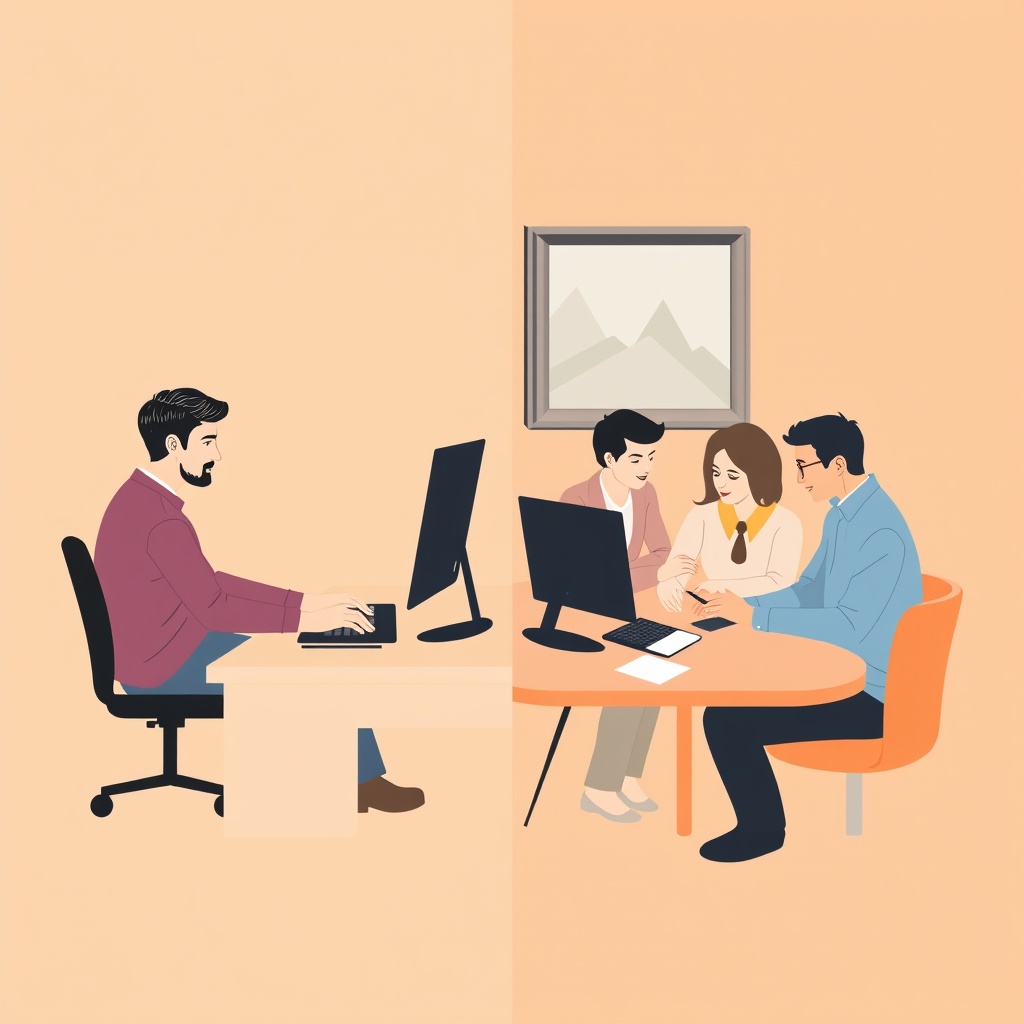
Deciding between freelancing and an agency depends on your goals and personality. I’ve experimented with both and found that freelancing suits those who value independence, while agency life appeals to natural leaders. For example, if you enjoy collaboration and scaling businesses, an agency might be the way to go. Conversely, if you prefer hands-on design work, freelancing offers more creative fulfilment.
Consider your long-term aspirations and lifestyle preferences. There’s no one-size-fits-all answer, but with careful planning, either path can lead to success from the comfort of your home.
Industry Insights The Future of Remote Web Design
Emerging Technologies Impacting Web Design
The landscape of web design is evolving rapidly, with emerging technologies like AI, AR, and voice interfaces reshaping how we create and interact with websites. I’ve found that integrating these tools can enhance user experiences and streamline workflows. For instance, AI-powered design assistants help automate repetitive tasks, allowing us to focus on creativity. Staying updated with these advancements ensures we remain competitive in a digital-first world.
Another game-changer is the rise of no-code platforms, empowering designers to build complex sites without deep coding knowledge. These tools democratise web design, making it accessible to more people. However, mastering traditional coding remains valuable for custom solutions. Balancing innovation with foundational skills is key to thriving in this dynamic field.
The Growing Demand for Remote Design Services
Remote web design services are in high demand as businesses prioritise digital presence. I’ve noticed clients increasingly value flexibility and cost-effectiveness, which remote designers excel at providing. This shift has opened doors for freelancers and small agencies to compete globally. Building a strong online portfolio and leveraging platforms like web design can help attract diverse clients.
The pandemic accelerated this trend, but its longevity is undeniable. Companies now recognise the benefits of remote collaboration, from reduced overheads to access to a broader talent pool. As remote work becomes the norm, designers must hone their communication and project management skills to deliver seamless experiences.
Staying Competitive in a Digital World
To stay ahead, I focus on continuous learning and adapting to industry trends. Specialising in niche areas, such as SEO or UX design, can differentiate my services. Networking with other professionals and participating in online communities also keeps me informed and inspired.
Investing in the right tools, like Figma or Webflow, enhances efficiency and quality. Additionally, offering value-added services, such as ongoing maintenance or analytics, can set me apart. The future of web design is bright, but success requires agility and a proactive approach to change.
Implementing Your Web Design Projects from Home
From Concept to Launch A Step-by-Step Guide
Starting a web design project at home begins with a clear plan. I outline the client’s goals, target audience, and key features before sketching wireframes. Tools like design tools streamline this process, ensuring precision and creativity. Collaboration platforms like Slack or Trello keep communication smooth, even when working remotely.
Once the design is approved, I move to development, using frameworks like Bootstrap or WordPress. Testing across devices ensures responsiveness, and feedback loops with clients refine the final product. Launching the site is just the beginning; monitoring performance and making adjustments post-launch are crucial for long-term success.
Testing and Quality Assurance
Quality assurance is non-negotiable in remote web design. I conduct thorough testing, checking for bugs, load times, and compatibility issues. Automated tools like BrowserStack help simulate different environments, while manual testing ensures a human touch. Clients appreciate this diligence, as it reflects professionalism and attention to detail.
Involving clients in the testing phase fosters transparency and trust. I provide clear instructions for feedback and address concerns promptly. This collaborative approach minimises revisions and ensures the final product meets expectations. Quality assurance is the backbone of a successful web design project.
Gathering and Implementing User Feedback
User feedback is invaluable for refining a website post-launch. I use surveys, heatmaps, and analytics tools to gather insights. Understanding how visitors interact with the site helps identify areas for improvement. For example, high bounce rates might indicate navigation issues, prompting a redesign of key elements.
Implementing feedback requires a balance between user needs and business goals. I prioritise changes that enhance usability without compromising the site’s purpose. Continuous iteration based on feedback ensures the website remains effective and engaging over time.
Expanding Your Home-Based Web Design Business
Scaling Your Services
Scaling a home-based web design business starts with defining clear service tiers. I offer packages tailored to different budgets, from basic templates to custom solutions. Outsourcing tasks like content writing or SEO can free up time for high-value projects. Platforms like freelance trends provide insights into market demands.
Automation tools, such as invoicing software or CRM systems, streamline operations as the business grows. Building a team of freelancers or part-time employees can also expand capacity. Scaling requires strategic planning, but it’s achievable with the right systems in place.
Hiring and Managing Remote Teams
Hiring remote talent broadens the scope of projects I can undertake. I look for designers, developers, and marketers who align with my business values. Clear communication and defined roles are essential for managing a distributed team. Tools like Asana or Zoom facilitate collaboration and accountability.
Regular check-ins and feedback sessions keep the team motivated and aligned. Offering competitive rates and growth opportunities fosters loyalty. A well-managed remote team can elevate the quality and scale of my web design services.
Diversifying Your Income Streams
Diversification is key to sustaining a home-based web design business. Beyond client projects, I explore passive income streams like selling templates or offering online courses. Affiliate marketing for tools I use, such as hosting services, adds another revenue layer.
Partnering with complementary businesses, like digital marketers or copywriters, creates referral opportunities. Diversifying income reduces reliance on any single source and provides financial stability. Creativity in monetisation ensures long-term growth and resilience.
Frequently Asked Questions
What equipment do I need to start web design from home?
A reliable computer, high-speed internet, and essential software like Adobe Creative Suite or Figma are must-haves. Investing in a second monitor and ergonomic furniture enhances productivity. Many tools offer free versions, making it affordable to start.
How do I find clients as a remote web designer?
Leveraging platforms like LinkedIn, Behance, and freelance marketplaces can attract clients. Networking in online communities and showcasing work on a portfolio site are also effective. Referrals from satisfied clients often lead to new opportunities.
What are the biggest challenges of working from home?
Isolation and distractions are common hurdles. Setting a routine, creating a dedicated workspace, and joining professional groups can mitigate these. Clear boundaries between work and personal life are crucial for balance.
How do I stay updated with web design trends?
Following industry blogs, attending webinars, and participating in online courses keep skills sharp. Engaging with design communities on social media or forums provides real-time insights and inspiration.
