
Introduction
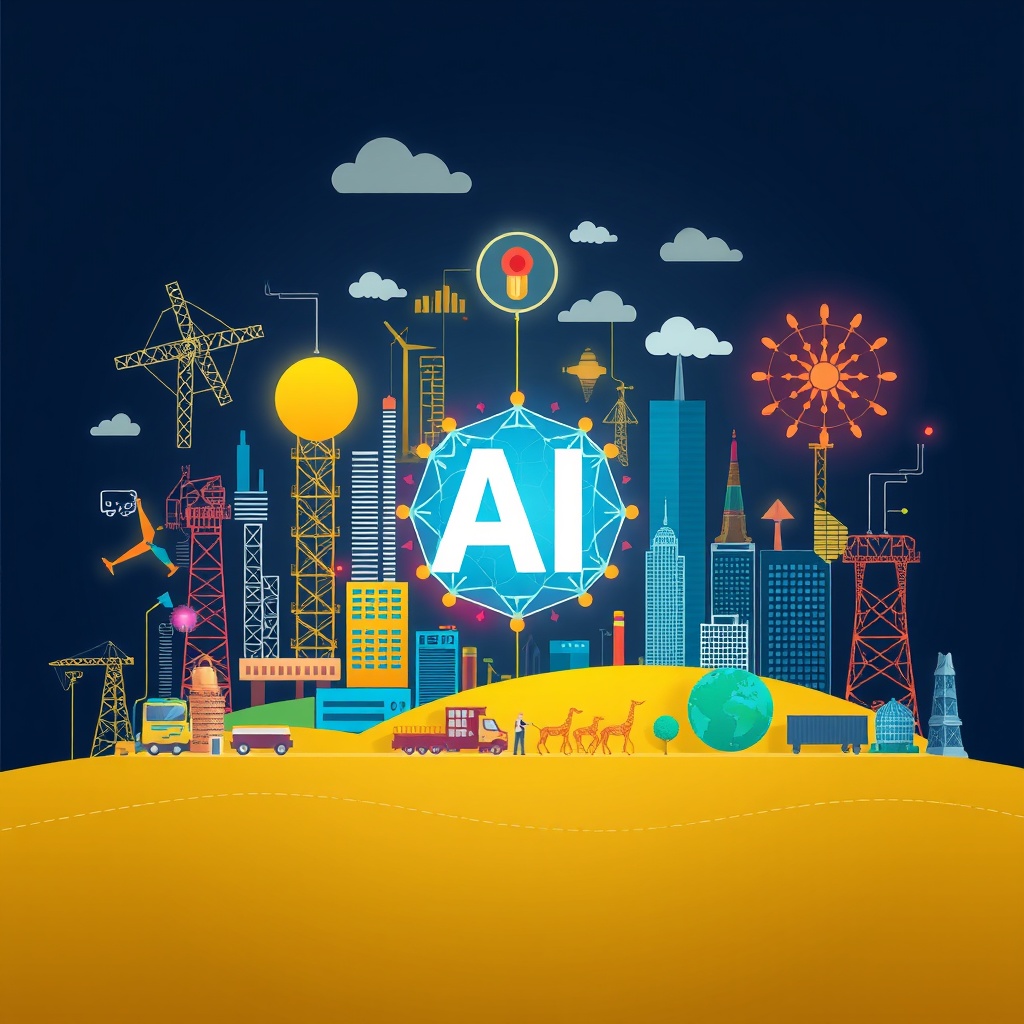
Artificial intelligence (AI) is no longer a futuristic concept—it’s here, transforming industries and reshaping how we live and work. From healthcare to finance, businesses and organisations are leveraging AI to drive efficiency, innovation, and growth. But who is using AI the most? In this article, I’ll explore the sectors leading the charge and how they’re harnessing this powerful technology to stay ahead.
Key Takeaways
- Healthcare and finance are among the top industries adopting AI for diagnostics, fraud detection, and personalised services.
- Manufacturing relies on AI for predictive maintenance and supply chain optimisation, reducing downtime and costs.
- Retail and e-commerce use AI to enhance customer experiences through personalised recommendations and inventory management.
- Transportation and logistics benefit from AI-driven route optimisation and autonomous vehicle technology.
Introduction to AI Usage Across Industries
Defining AI and Its Scope
Artificial intelligence refers to machines designed to mimic human intelligence, performing tasks like learning, problem-solving, and decision-making. Its scope spans from simple automation to complex predictive analytics, making it a versatile tool across sectors. Whether it’s chatbots in customer service or algorithms in finance, AI’s applications are vast and growing.
The Evolution of AI Adoption
AI adoption has evolved from niche experiments to mainstream integration. Early adopters like tech giants paved the way, but today, even small businesses are embracing AI. The shift is driven by advancements in machine learning, data availability, and affordable computing power. As AI continues to evolve, its impact will only deepen.
Key Industries Leading AI Adoption
Healthcare, finance, and manufacturing are at the forefront of AI adoption. In healthcare, AI aids in diagnostics and treatment planning, while finance uses it for fraud detection and trading. Manufacturing leverages AI for quality control and predictive maintenance. These industries exemplify how AI can revolutionise operations, as seen in real-world applications.
The Role of AI in Healthcare
AI in Diagnostics and Treatment Planning
We’ve seen AI transform diagnostics by analysing medical images with unprecedented accuracy. From detecting early-stage tumours to identifying rare conditions, AI reduces human error and speeds up diagnosis. In treatment planning, AI algorithms suggest personalised therapies based on patient history and global research. This ensures we deliver the most effective care while minimising trial-and-error approaches.
Patient Data Management and AI
Managing patient data is a monumental task, but AI simplifies it by organising and analysing vast datasets. We use AI to predict health trends, flag anomalies, and even automate administrative tasks like appointment scheduling. This not only improves efficiency but also enhances patient privacy by identifying and mitigating potential data breaches before they occur.
Robotics and AI in Surgery
Robotic-assisted surgery, powered by AI, is revolutionising operating rooms. We rely on these systems for precision in minimally invasive procedures, reducing recovery times and complications. AI also assists surgeons by providing real-time feedback during operations, ensuring every incision is as accurate as possible. It’s a partnership where human expertise meets machine precision.
AI in Financial Services
Algorithmic Trading and AI
In financial markets, AI-driven algorithmic trading executes transactions at lightning speed, analysing trends and making decisions in milliseconds. We leverage these systems to optimise portfolios and mitigate risks. By processing historical data and market signals, AI helps us stay ahead in volatile environments, ensuring our clients’ investments are both secure and profitable.
Fraud Detection and Prevention
AI is our frontline defence against financial fraud. By monitoring transactions in real-time, it identifies suspicious patterns and flags potential threats before they escalate. We use machine learning to adapt to new fraud tactics, ensuring our systems evolve alongside emerging risks. This proactive approach safeguards both our institutions and our customers’ assets.
Personalized Banking Services
AI enables us to offer tailored banking experiences, from customised loan offers to intelligent chatbots. By analysing spending habits and financial goals, we provide recommendations that align with individual needs. This level of personalisation fosters trust and loyalty, making banking more intuitive and accessible for everyone.

Manufacturing and AI
Predictive Maintenance with AI
We use AI to predict equipment failures before they happen, minimising downtime and repair costs. By analysing sensor data, AI identifies wear and tear patterns, scheduling maintenance only when needed. This proactive approach ensures our production lines run smoothly, maximising efficiency and reducing unexpected disruptions.
Supply Chain Optimization
AI optimises supply chains by forecasting demand, managing inventory, and identifying bottlenecks. We rely on these insights to streamline logistics, ensuring products reach customers faster and at lower costs. In an era of global disruptions, AI helps us maintain resilience and adaptability.
Quality Control Automation
Automated quality control, powered by AI, ensures every product meets our standards. By inspecting items with computer vision, AI detects defects invisible to the human eye. This not only improves product reliability but also reduces waste, aligning with our commitment to sustainability.
Retail and E-commerce AI Applications
Personalized Shopping Experiences
We’ve seen AI transform retail by offering personalised shopping experiences tailored to individual preferences. Algorithms analyse browsing history, purchase patterns, and even social media activity to recommend products. This level of customisation not only enhances customer satisfaction but also boosts sales. For instance, AI-driven chatbots provide real-time assistance, making shopping seamless. The future of retail lies in these intelligent systems, ensuring every interaction feels unique and engaging.
Inventory Management and AI
AI plays a pivotal role in optimising inventory management, reducing waste, and ensuring stock availability. Predictive analytics forecast demand with remarkable accuracy, allowing retailers to adjust orders dynamically. Machine learning models also identify trends, helping businesses stay ahead of market shifts. By automating these processes, we free up human resources for more strategic tasks, creating a more efficient and responsive supply chain.
AI in Customer Service
Customer service has been revolutionised by AI, with chatbots and virtual assistants handling inquiries round the clock. These tools resolve common issues instantly, while more complex queries are escalated to human agents. Natural language processing ensures interactions feel natural, improving customer satisfaction. AI also analyses feedback to identify areas for improvement, making it an invaluable asset for any e-commerce business.
AI in Transportation and Logistics
Autonomous Vehicles and AI
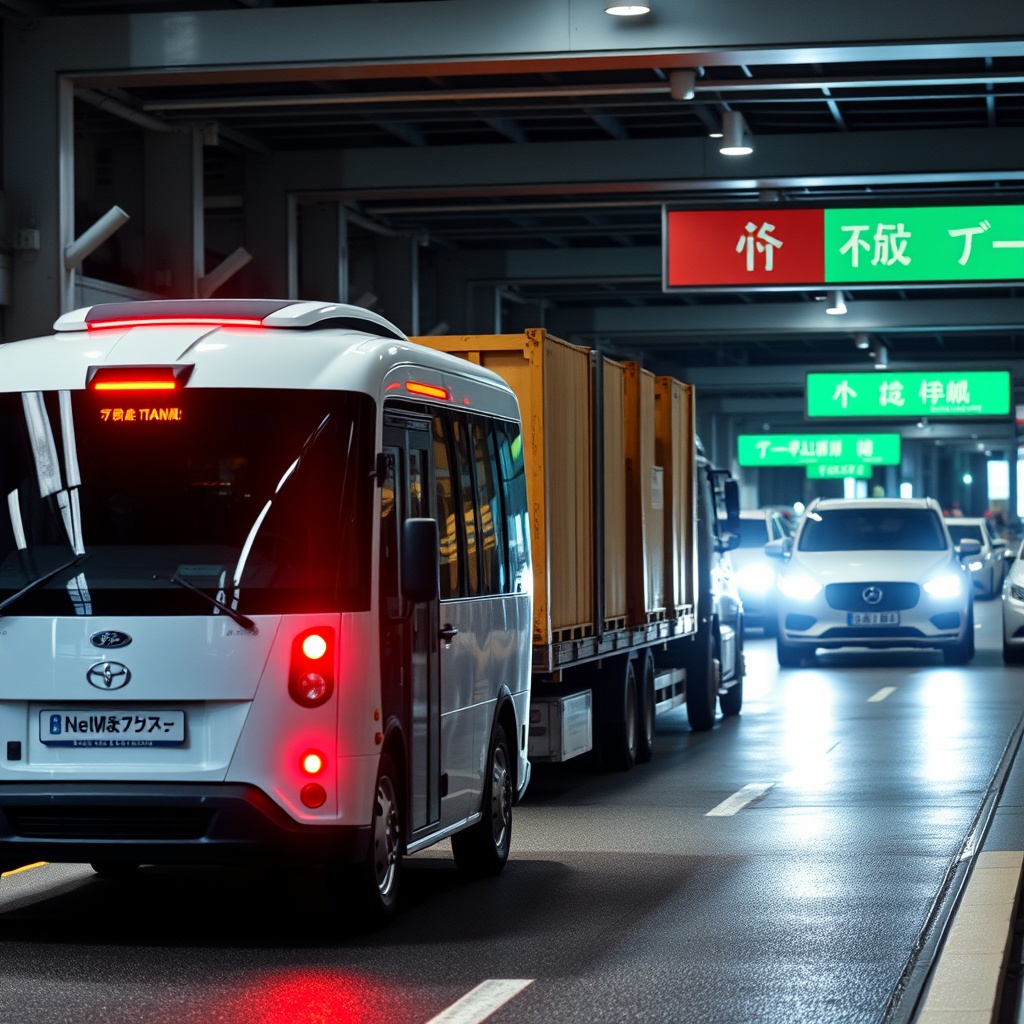
Autonomous vehicles are no longer a futuristic concept but a reality powered by AI. These vehicles use sensors and machine learning to navigate safely, reducing human error. From self-driving cars to drones, AI is reshaping how we move goods and people. The technology promises to cut costs, improve efficiency, and reduce environmental impact, making it a cornerstone of modern transportation.
Route Optimization for Logistics
AI-driven route optimisation ensures deliveries are faster and more cost-effective. Algorithms consider traffic, weather, and delivery windows to determine the best paths. This not only saves time but also reduces fuel consumption, benefiting both businesses and the environment. Logistics companies leveraging AI report significant improvements in operational efficiency, proving its transformative potential.
AI in Public Transportation Systems
Public transport systems are becoming smarter with AI, enhancing commuter experiences. Predictive maintenance prevents breakdowns, while real-time updates keep passengers informed. AI also optimises schedules based on demand, reducing wait times. These innovations make public transport more reliable and appealing, encouraging sustainable urban mobility.
The Impact of AI on Education
Personalized Learning Platforms
AI-powered platforms adapt to each student’s learning pace, offering customised lessons and feedback. This personalised approach ensures no one is left behind, catering to diverse learning styles. Tools like intelligent tutors provide additional support, making education more accessible. The result is a more engaging and effective learning experience, tailored to individual needs.
AI in Administrative Tasks
Administrative burdens are eased with AI automating tasks like grading and scheduling. This allows educators to focus on teaching rather than paperwork. AI also streamlines admissions and enrolment processes, improving efficiency. By reducing administrative overhead, institutions can allocate resources more effectively, enhancing overall educational quality.
Enhancing Engagement with AI Tools
Interactive AI tools like virtual labs and gamified learning modules boost student engagement. These technologies make learning fun and immersive, fostering deeper understanding. AI also identifies struggling students early, enabling timely intervention. The integration of AI in education is not just about efficiency but creating a more dynamic and inclusive learning environment.
AI in Entertainment and Media
Content Recommendation Systems
AI-driven recommendation engines dominate platforms like Netflix and Spotify, curating content based on user preferences. These systems analyse viewing habits to suggest shows, movies, or songs, keeping audiences engaged. The result is a highly personalised experience that keeps users coming back. As AI evolves, recommendations will become even more accurate, further enhancing user satisfaction.
AI in Video Game Development
Video game developers use AI to create more immersive and responsive experiences. From procedural generation to adaptive difficulty, AI ensures games remain challenging yet enjoyable. NPCs (non-player characters) now exhibit lifelike behaviours, thanks to machine learning. This technology is pushing the boundaries of what’s possible in gaming, offering players unprecedented levels of realism and interactivity.
Automated Content Creation
AI is revolutionising content creation, generating articles, videos, and even music. Tools like GPT-4 produce human-like text, while AI composers create original scores. While these technologies assist creators, they also raise questions about authenticity. Nonetheless, AI’s role in media is undeniable, offering new ways to produce and consume content efficiently.
Government and Public Sector AI Use
AI is transforming how governments operate, enhancing public safety and security through advanced surveillance and predictive policing. By analysing vast datasets, AI identifies potential threats before they escalate, ensuring proactive measures. Smart city initiatives leverage AI to optimise traffic flow, reduce energy consumption, and improve waste management. These innovations create more efficient urban environments, fostering sustainability and better quality of life for residents.
Environmental monitoring benefits from AI’s ability to process real-time data from sensors and satellites. It tracks pollution levels, predicts natural disasters, and manages resources like water and forests. Governments worldwide are adopting AI to address climate change and protect ecosystems. This technology empowers policymakers with actionable insights, enabling data-driven decisions for a greener future.
AI in Public Safety and Security
AI-powered surveillance systems analyse footage to detect suspicious activities, reducing crime rates in urban areas. Predictive algorithms assess historical data to forecast crime hotspots, allowing law enforcement to allocate resources effectively. Facial recognition technology aids in identifying suspects, though ethical concerns persist. Balancing security and privacy remains a critical challenge for policymakers.
Emergency response systems integrate AI to prioritise calls and dispatch services faster. Natural language processing helps operators understand distress calls, even in noisy environments. AI also assists in disaster management, predicting floods or earthquakes and coordinating evacuation plans. These advancements save lives and minimise damage during crises.
Smart City Initiatives and AI
Smart cities rely on AI to streamline infrastructure, from traffic lights adjusting in real time to reduce congestion to energy grids optimising power distribution. IoT devices collect data on air quality, noise levels, and pedestrian movement, enabling city planners to design healthier spaces. AI-driven public transport systems predict demand and adjust schedules dynamically, improving commuter experiences.
Waste management becomes smarter with AI-powered bins that signal when full, optimising collection routes. Water supply networks detect leaks instantly, conserving resources. These innovations reduce costs and environmental impact, making cities more sustainable. The integration of AI into urban planning ensures smarter, more responsive communities.
AI for Environmental Monitoring
AI analyses satellite imagery to monitor deforestation, track wildlife populations, and detect illegal mining activities. Climate models powered by AI predict extreme weather events, helping governments prepare for hurricanes or droughts. Real-time data from sensors in oceans and forests provides insights into ecosystem health, guiding conservation efforts.
AI also aids in managing renewable energy sources, predicting solar and wind output to balance grids. By optimising resource use, governments can reduce carbon footprints and meet sustainability goals. The technology’s ability to process vast datasets makes it indispensable in the fight against climate change.

AI in Agriculture
Precision farming techniques harness AI to maximise crop yields while minimising resource use. Drones equipped with sensors monitor soil health, moisture levels, and pest infestations, providing farmers with actionable data. AI-driven irrigation systems deliver water precisely where needed, reducing waste. These innovations empower farmers to make informed decisions, boosting productivity sustainably.
AI also assists in crop monitoring, analysing satellite images to assess growth stages and predict harvest times. Machine learning models recommend optimal planting schedules based on weather patterns and soil conditions. By integrating AI, agriculture becomes more efficient and resilient to climate challenges, ensuring food security for growing populations.
Precision Farming Techniques
AI-powered tractors and harvesters automate tasks like planting and weeding, reducing labour costs and human error. Sensors in fields collect data on nutrient levels, enabling targeted fertiliser application. Predictive analytics forecast disease outbreaks, allowing preemptive treatments. These technologies transform traditional farming into a data-driven industry, enhancing sustainability and profitability.
Farmers use AI to optimise livestock management, tracking animal health and behaviour through wearable devices. Algorithms analyse feeding patterns and detect illnesses early, improving welfare and productivity. AI’s role in agriculture extends beyond crops, revolutionising every aspect of food production.
Crop Monitoring and AI
Satellite and drone imagery combined with AI provides real-time insights into crop health. Machine learning identifies stress factors like drought or disease, enabling timely interventions. Yield prediction models help farmers plan storage and logistics, reducing post-harvest losses. AI’s ability to process vast datasets ensures accurate, actionable recommendations for every stage of cultivation.
AI also supports sustainable practices, such as agroforestry and organic farming, by analysing environmental impacts. By adopting these technologies, farmers can meet global demand while preserving ecosystems. The future of agriculture lies in AI-driven solutions that balance productivity and sustainability.
AI in Pest Control
AI detects pest infestations early by analysing images from drones or field sensors. Predictive models forecast pest outbreaks based on weather and historical data, allowing preemptive measures. Automated traps equipped with AI identify and target specific pests, reducing chemical pesticide use. These innovations promote eco-friendly farming while protecting crops from damage.
Farmers receive real-time alerts and recommendations via mobile apps, enabling swift action. AI’s precision ensures minimal environmental impact, aligning with global trends toward sustainable agriculture. By integrating AI, pest control becomes more efficient and less harmful to ecosystems.
Energy Sector and AI Innovations
AI optimises energy grids by predicting demand fluctuations and balancing supply in real time. Smart grids use machine learning to integrate renewable sources like solar and wind, reducing reliance on fossil fuels. Predictive maintenance detects equipment failures before they occur, minimising downtime and costs. These advancements ensure reliable, efficient energy distribution for communities worldwide.
AI also enhances renewable energy management, forecasting output based on weather patterns. Energy storage systems use AI to optimise charging and discharging cycles, maximising efficiency. By leveraging AI, the energy sector accelerates its transition to sustainable solutions, combating climate change effectively.
Smart Grids and AI
Smart grids leverage AI to analyse consumption patterns and adjust supply dynamically. Machine learning identifies inefficiencies, reducing energy waste and costs. Consumers benefit from real-time pricing models that encourage off-peak usage. AI’s role in grid management ensures stability, even as renewable energy sources fluctuate.
Decentralised energy systems, like microgrids, use AI to balance local supply and demand. These systems enhance resilience during outages, ensuring uninterrupted power for critical services. AI-driven grids represent the future of energy, combining sustainability with reliability.
Predictive Maintenance in Energy
AI analyses sensor data from turbines, transformers, and pipelines to predict failures before they happen. Maintenance schedules are optimised, reducing downtime and extending equipment lifespan. Machine learning identifies anomalies in real time, preventing costly breakdowns. These innovations save billions in operational costs while ensuring uninterrupted energy supply.
Wind farms use AI to monitor blade health, detecting cracks or wear early. Solar plants optimise panel angles based on weather forecasts, maximising output. AI’s predictive capabilities transform energy infrastructure into smarter, more efficient systems.
AI in Renewable Energy Management
AI forecasts solar and wind energy output with high accuracy, enabling better grid integration. Energy storage systems use machine learning to optimise battery performance, extending lifespan. Demand-response programs leverage AI to balance consumption during peak times. These technologies make renewable energy more reliable and scalable, driving global adoption.
AI also aids in site selection for renewable projects, analysing environmental and economic factors. By optimising every aspect of renewable energy, AI accelerates the transition to a sustainable future. The energy sector’s reliance on AI ensures cleaner, more efficient power for generations to come.
AI in Telecommunications
AI revolutionises telecommunications by optimising network performance and enhancing customer experiences. Machine learning algorithms predict network congestion, enabling proactive adjustments. Fraud detection systems analyse call patterns to identify suspicious activities, protecting users. These innovations ensure seamless connectivity and security in an increasingly digital world.
AI-powered chatbots handle customer queries instantly, reducing wait times and improving satisfaction. Personalised recommendations based on usage patterns enhance service offerings. By integrating AI, telecom providers deliver faster, more reliable, and tailored solutions to users globally.
Network Optimization with AI
AI analyses traffic data to optimise bandwidth allocation, reducing latency and improving speeds. Self-healing networks detect and resolve issues autonomously, minimising downtime. Predictive analytics forecast capacity needs, ensuring infrastructure scales with demand. These advancements guarantee robust, high-performance networks for businesses and consumers alike.
5G networks leverage AI to manage complex configurations and ensure seamless handovers between cells. AI’s ability to process vast datasets in real time makes it indispensable for modern telecoms. The future of connectivity relies on AI-driven optimisation for unparalleled performance.
Customer Experience Enhancements
AI analyses customer behaviour to personalise services, from tailored data plans to targeted promotions. Voice assistants powered by natural language processing resolve queries efficiently, reducing reliance on human agents. Sentiment analysis tools gauge customer satisfaction, enabling proactive improvements. These innovations foster loyalty and satisfaction in a competitive market.
Predictive analytics anticipate customer needs, offering solutions before issues arise. AI-driven recommendations enhance user experiences, ensuring telecom providers stay ahead of expectations. By prioritising customer-centric AI, the industry sets new standards for service excellence.
AI in Fraud Detection
AI identifies fraudulent activities by analysing call patterns, data usage, and billing anomalies. Machine learning models detect unusual behaviour in real time, preventing revenue loss. Telecom providers use AI to combat SIM swapping and phishing attacks, safeguarding users. These technologies protect both businesses and consumers from evolving threats.
Blockchain combined with AI enhances security, ensuring transparent and tamper-proof transactions. AI’s role in fraud detection is critical as cyber threats grow more sophisticated. By adopting these solutions, telecoms ensure trust and reliability in their services.
The Role of AI in Cybersecurity
Threat Detection and Response
We’ve seen AI revolutionise cybersecurity by enhancing threat detection and response. Machine learning algorithms analyse vast datasets to identify anomalies, flagging potential threats in real-time. This proactive approach minimises damage, as AI can predict and neutralise attacks before they escalate. For instance, AI-powered systems detect phishing attempts by analysing email patterns, protecting businesses from costly breaches. The integration of AI ensures a robust defence against evolving cyber threats.
AI in Identity Verification
Identity verification has become more secure with AI, reducing fraud and unauthorised access. Biometric authentication, powered by AI, analyses facial recognition, voice patterns, and fingerprints with unmatched accuracy. This technology is particularly valuable in banking and healthcare, where sensitive data requires stringent protection. By automating verification processes, AI not only enhances security but also improves user experience, making it a cornerstone of modern cybersecurity strategies.
Predictive Cybersecurity Measures
Predictive cybersecurity leverages AI to anticipate vulnerabilities and mitigate risks before they materialise. By analysing historical data and current trends, AI models forecast potential attack vectors, enabling preemptive action. This is especially useful for large enterprises managing complex networks. AI’s ability to learn from past incidents ensures continuous improvement, making it an indispensable tool for staying ahead of cybercriminals in an increasingly digital world.
AI in Human Resources
Recruitment and AI
AI has transformed recruitment by streamlining candidate screening and matching. Algorithms analyse CVs and social profiles to identify the best fits, saving time and reducing bias. Chatbots handle initial interviews, ensuring a seamless candidate experience. This efficiency allows HR teams to focus on strategic decisions, fostering a more dynamic hiring process. AI’s role in recruitment is a testament to its potential to enhance productivity across industries.
Employee Engagement and AI
Employee engagement benefits from AI-driven insights, as tools analyse feedback and behaviour to gauge satisfaction. Predictive analytics help managers address issues before they escalate, fostering a positive workplace culture. AI-powered platforms also personalise learning and development plans, aligning employee growth with organisational goals. This holistic approach ensures a motivated workforce, driving long-term success for businesses.
AI for Training and Development
Training programmes are now more effective with AI, which tailors content to individual learning styles. Virtual coaches provide real-time feedback, accelerating skill acquisition. AI also identifies knowledge gaps, ensuring targeted development. This personalised approach maximises ROI on training investments, equipping employees with the skills needed in a rapidly evolving job market. AI’s impact on training underscores its value in nurturing talent.
Future Trends in AI Usage
Emerging Industries Adopting AI
AI is expanding into new sectors like legal services and agriculture, revolutionising traditional practices. Legal AI tools analyse case law, while precision farming optimises crop yields. These applications demonstrate AI’s versatility, proving its potential to transform any industry. As adoption grows, we’ll see even niche markets leveraging AI for competitive advantage, marking a new era of innovation.
The Future of AI in Everyday Life
AI will soon permeate daily life, from smart homes to personalised healthcare. Wearables will monitor health in real-time, while AI assistants manage household tasks. This seamless integration promises convenience and efficiency, reshaping how we live and work. The future of AI is not just about technology but about enhancing human experiences, making it an integral part of our lives.
Ethical Considerations and AI
As AI advances, ethical concerns around privacy and bias must be addressed. Transparent algorithms and robust regulations are essential to ensure fairness and accountability. We must balance innovation with responsibility, fostering trust in AI systems. Ethical AI is not just a goal but a necessity, ensuring technology serves humanity without compromising our values.
Frequently Asked Questions
How does AI improve cybersecurity?
AI enhances cybersecurity by detecting threats in real-time, automating identity verification, and predicting vulnerabilities. Its ability to analyse vast datasets ensures proactive defence, minimising risks and protecting sensitive information. AI’s continuous learning capabilities make it indispensable in combating evolving cyber threats.
What are the benefits of AI in recruitment?
AI streamlines recruitment by automating candidate screening, reducing bias, and improving efficiency. Chatbots handle initial interviews, while algorithms match candidates to roles based on skills and experience. This saves time and ensures a more objective hiring process, benefiting both employers and job seekers.
How is AI used in employee training?
AI personalises training by adapting content to individual learning styles and providing real-time feedback. It identifies knowledge gaps and recommends targeted modules, ensuring effective skill development. This tailored approach maximises engagement and retention, making training programmes more impactful.
What ethical issues surround AI?
Ethical concerns include data privacy, algorithmic bias, and accountability. Transparent AI systems and regulatory frameworks are crucial to address these issues. Ensuring fairness and responsibility in AI development is essential to build trust and prevent misuse.
